I. Introduction: Why Everyone Is Asking About a “Natural Mounjaro”
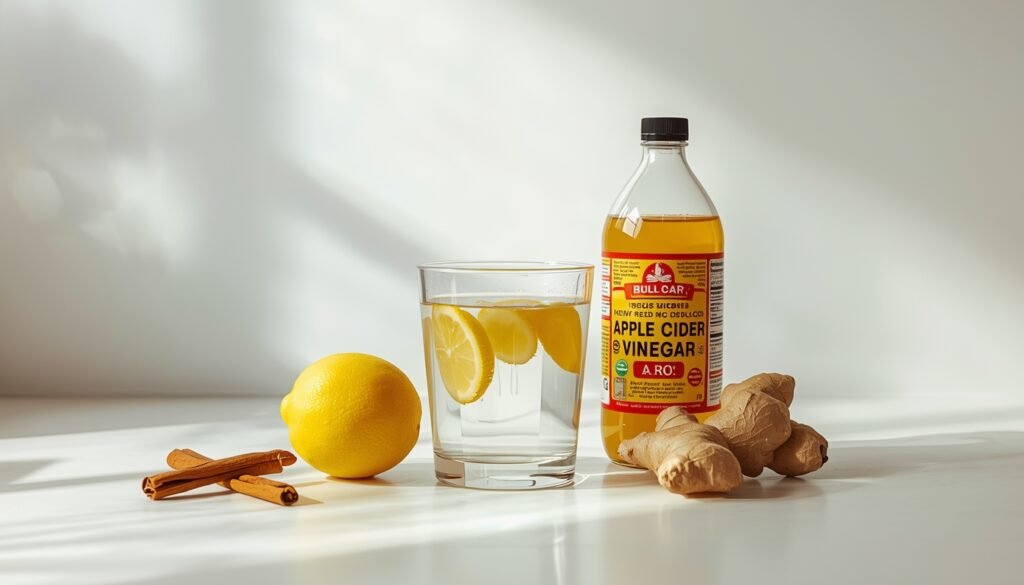
Scroll through TikTok, Instagram, or Facebook and you’ll quickly run into it: a so-called “natural mounjaro recipe ” drink, usually a cloudy glass of water spiked with lemon, apple cider vinegar, and something fiery like cayenne or ginger. Influencers swear by it. Comment sections buzz with weight-loss testimonials. The implication is clear—this humble kitchen concoction is being framed as a natural stand-in for one of the most talked-about prescription drugs of the moment.

That framing is exactly where things go off the rails. The term “natural Mounjaro” is misleading because Mounjaro isn’t a lifestyle habit, a supplement, or a recipe. It’s a prescription medication with a specific molecular structure, a defined dosing schedule, and FDA-regulated indications. No drink—no matter how viral—can be its natural equivalent.
This blog cuts through the hype. It separates what Mounjaro actually is from what social media says it is, explains where the “natural recipe” idea came from, and clarifies what these drinks can—and very clearly cannot—do.
II. What Mounjaro Actually Is (The Medical Reality)
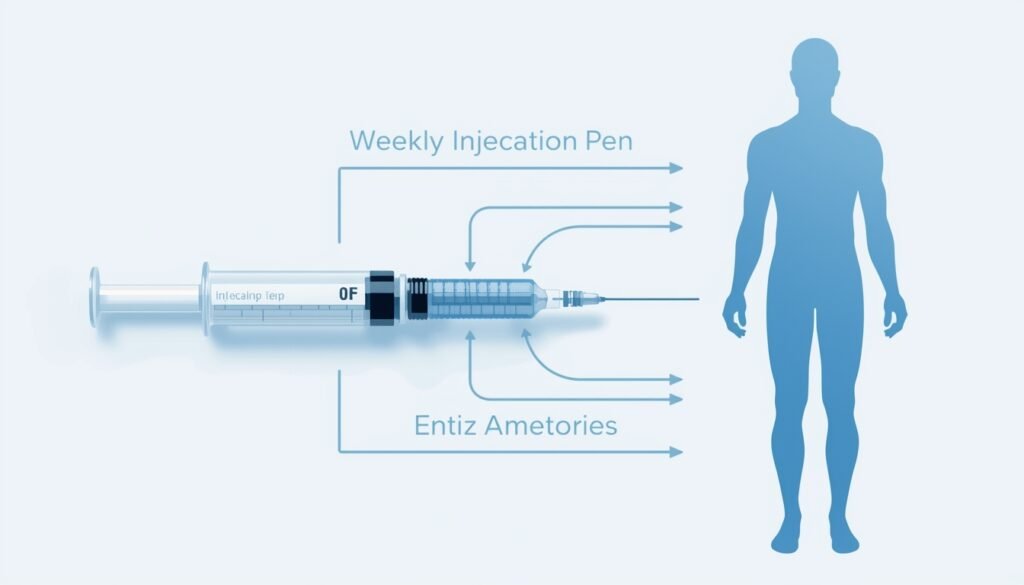
Mounjaro is the brand name for tirzepatide, a prescription medication developed to improve glycemic control in adults with type 2 diabetes mellitus, used as an adjunct to diet and exercise. That definition comes straight from its FDA prescribing information—and it matters, because it sets Mounjaro firmly in the realm of medicine, not wellness trends.
Unlike a beverage or supplement, Mounjaro is administered as a once-weekly subcutaneous injection. Treatment typically begins at a low dose (2.5 mg once weekly) and is gradually increased over time, with a maximum approved dose of 15 mg once weekly. This step-up process, known as titration, is designed to manage side effects while allowing the drug to work as intended.
Mechanistically, tirzepatide is not simple. It’s an engineered peptide that activates two hormone receptors at once:
- GIP (glucose-dependent insulinotropic polypeptide) receptors
- GLP-1 (glucagon-like peptide-1) receptors
By targeting both pathways, tirzepatide enhances insulin secretion in a glucose-dependent manner, reduces glucagon levels, decreases food intake, delays gastric emptying (most notably after the first dose), and contributes to reductions in body weight over time. These
effects are the result of precise pharmacology—not ingredients you can stir together at home.
III. Where the Term “Natural Mounjaro Recipe” Comes From
So how did a prescription injectable turn into a “recipe”?
The phrase “natural Mounjaro” emerged from social media, where creators began sharing homemade drinks they claimed could mimic Mounjaro’s appetite-suppressing or weight-loss effects. Over time, the name stuck—not because it was accurate, but because it was clickable. Calling a lemon-and-vinegar drink “hydrating” doesn’t spread nearly as fast as calling it “nature’s Mounjaro.”
People latched onto the phrase for understandable reasons. Mounjaro has been associated with significant weight-loss outcomes in clinical trials, it requires a prescription, and it isn’t accessible or appropriate for everyone. The idea that a simple drink could offer similar results—without injections, cost, or medical oversight—is deeply appealing.
But this is where the gap becomes impossible to ignore. Mounjaro is a rigorously tested pharmaceutical that alters hormone signaling pathways in the body. The viral drinks associated with the “natural Mounjaro recipe” are combinations of water, acids, spices, and sometimes fiber. Whatever their merits as beverages, they are not pharmacological agents—and they do not, and cannot, function like tirzepatide.
IV. What People Mean by a “Natural Mounjaro Recipe”
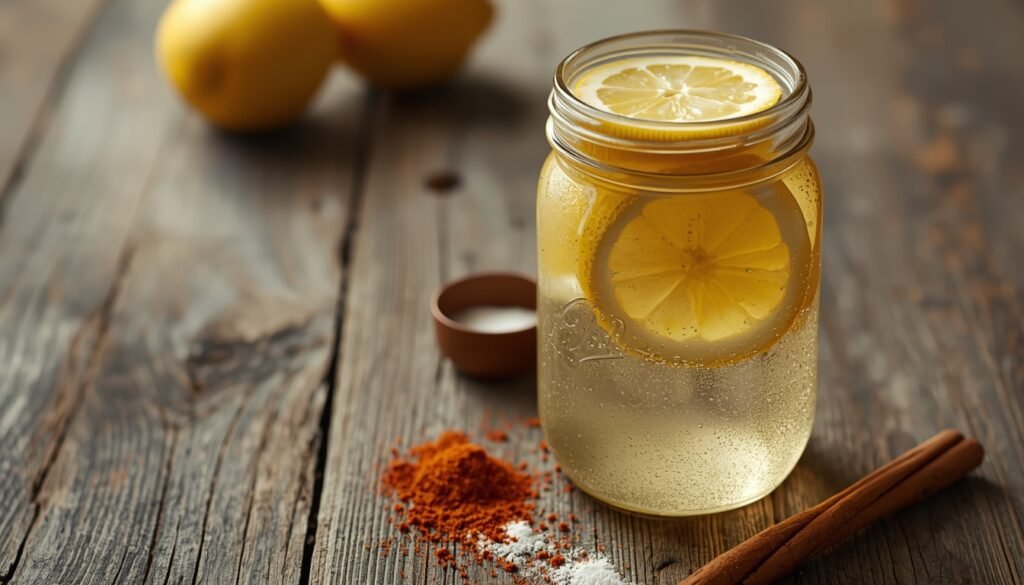
When people talk about a “natural Mounjaro recipe,” they’re not referring to a single, standardized formula. They’re pointing to a loose category of homemade drinks that have gone viral under the promise—explicit or implied—of mimicking Mounjaro’s effects.
A. The Most Common Viral Drink Version
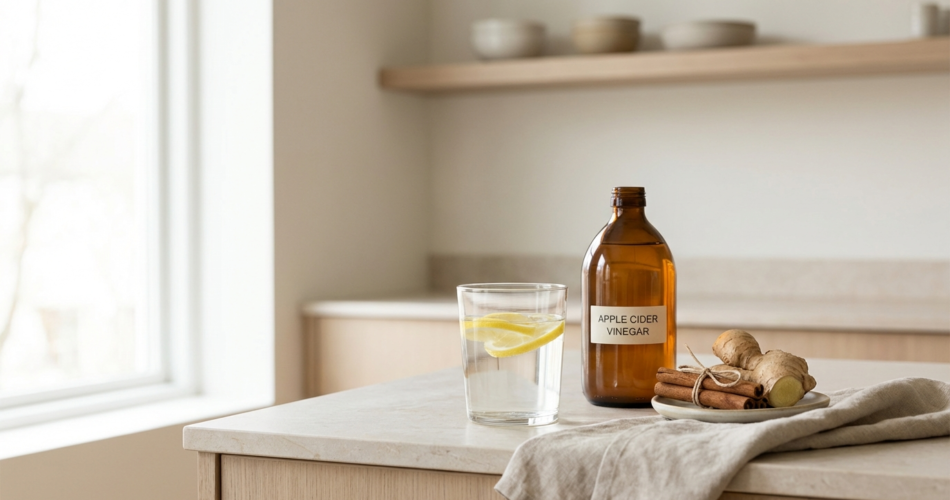
The most frequently shared version is a simple, sharply flavored drink built around a few familiar ingredients:
- Water
- Apple cider vinegar
- Lemon juice
- Spices such as cinnamon or cayenne pepper
Virta Health describes a widely circulated recipe that includes 1 tablespoon of apple cider vinegar, the juice of half a lemon, ½ teaspoon of cayenne pepper or cinnamon, and 1 cup of water, served hot or cold. The drink is often framed as something to consume daily, sometimes in the morning, with claims about appetite control or “metabolic boosting.”
B. Other Popular Variations
mounjaro recipe
As with most viral wellness trends, variations multiplied quickly.
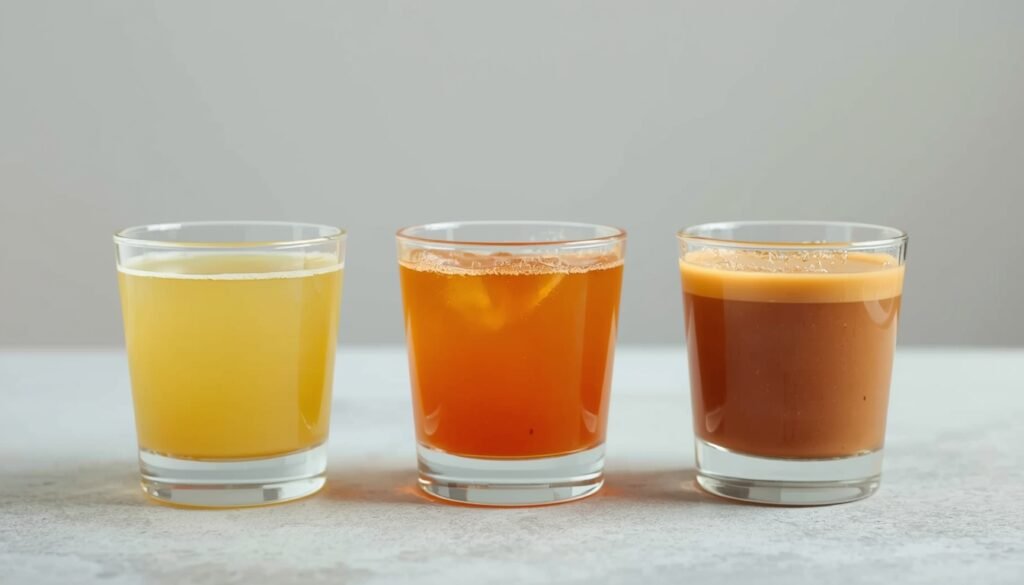
Some versions strip things back to water, lemon, honey, and ginger, positioning the drink as gentler or more palatable while still borrowing the “natural Mounjaro” label. Others double down on intensity, adding extra cinnamon, cayenne, or fresh ginger in the belief that spice equals efficacy.
One especially popular offshoot is the so-called “Brazilian Mounjaro” variation, which swaps spices for psyllium husk, a fiber supplement. This version leans on fiber’s known effects on fullness, again borrowing Mounjaro’s reputation without sharing its mechanism.
What all of these have in common is branding, not biology.
V. Why a Drink Cannot Replicate Mounjaro
A. Lack of Clinical Evidence
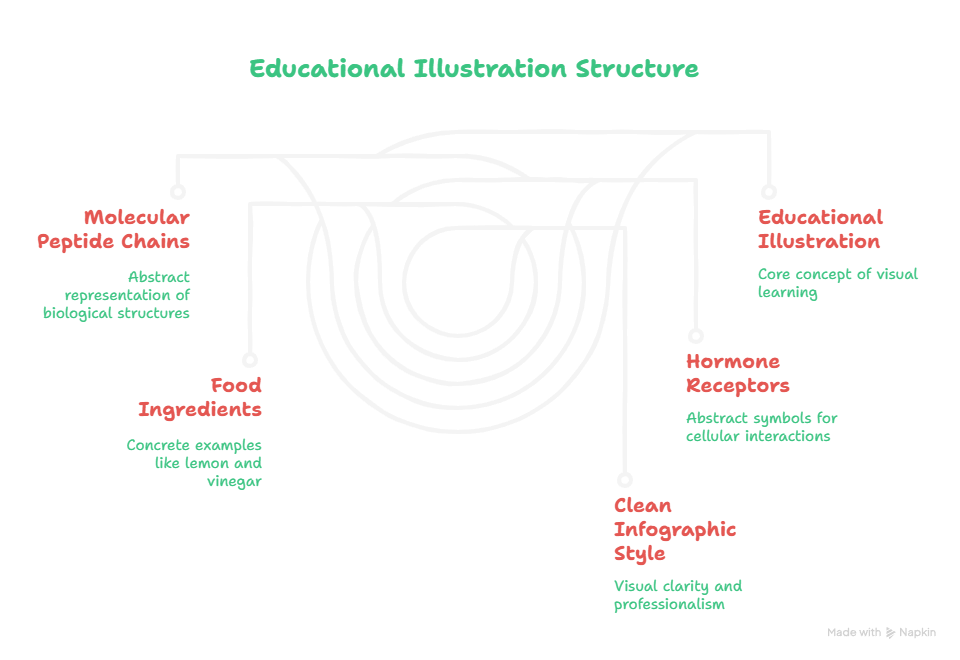
There’s a hard line between what’s trending and what’s proven. There are no clinical studies showing that these drinks activate GLP-1 or GIP receptors, or that they mimic the effects of prescription GLP-1–based medications in any meaningful way.
Health experts and medical organizations have been consistent on this point: while these drinks may be harmless for many people, they are not backed by clinical research and cannot replicate the pharmacological effects of Mounjaro or other GLP-1 drugs. At best, they’re beverages. At worst, they’re overhyped.
B. How Tirzepatide Works vs. a Drink
The contrast is stark. Tirzepatide is an engineered, acylated peptide designed to survive in the body long enough to activate two hormone pathways simultaneously: GIP and GLP-1. That dual activation is what drives its effects on insulin secretion, glucagon suppression, appetite reduction, delayed gastric emptying, and weight loss.
A drink made of water, acids, spices, or fiber doesn’t engage those pathways. It isn’t absorbed, distributed, or metabolized like a drug. Clinical trials of tirzepatide have reported substantial average body-weight reductions, measured in kilograms—not anecdotes or before-and-after photos.
Calling the two comparable stretches the definition of comparison beyond recognition.
VI. Safety and Medical Considerations

Mounjaro doesn’t just come with benefits—it comes with prescription-level safety considerations. The FDA label includes warnings such as a boxed warning for thyroid C-cell tumors observed in rats and clear contraindications for individuals with a personal or family history of medullary thyroid carcinoma or multiple endocrine neoplasia syndrome type 2 (MEN2).
These warnings underscore an important point: Mounjaro is powerful enough to require medical oversight. That’s precisely why framing a kitchen recipe as its equivalent isn’t just inaccurate—it’s potentially unsafe. It minimizes the seriousness of the medication and blurs the line between medical treatment and casual wellness advice.
VII. What These Drinks Can and Can’t Do
So what can these viral drinks realistically offer?
They can serve as hydrating, low-calorie alternatives to sugary beverages. Some ingredients, like fiber or acidic flavors, may modestly affect fullness or eating habits for certain people. As part of a broader lifestyle pattern, they’re not inherently harmful for most healthy adults.
What they cannot do is replicate medication-level appetite regulation, hormone signaling, or metabolic effects. They do not activate GLP-1 or GIP receptors. They do not produce clinically measured weight loss. And they do not replace a prescription drug.
Honest framing matters—especially when health claims are involved.
VIII. So, Is There a “Natural Mounjaro Recipe”?
The clear answer is no. There is no natural drink, food, or recipe that functions as an equivalent to Mounjaro.
The term persists because it taps into real desires: accessible weight loss, fewer barriers, and less medical complexity. But popularity doesn’t equal plausibility. The science simply doesn’t support the idea.
Separating wellness trends from medical treatment isn’t about spoiling the fun—it’s about protecting people from confusion and false expectations.
IX. Final Takeaway: Understanding the Trend Without the Hype

Mounjaro is a prescription medication with a specific mechanism, dosing schedule, and safety profile. The drinks labeled as “natural Mounjaro” are viral wellness beverages with no clinical evidence behind them.
Understanding that difference is the key takeaway. Social media trends move fast, but biology doesn’t bend to branding. Approaching health claims critically—and recognizing the line between lifestyle tools and medical treatments—is what keeps curiosity from turning into misinformation.
FAQ
1. Is there really a natural Mounjaro recipe?
No. There is no natural recipe that can replicate Mounjaro. Mounjaro is the brand name for tirzepatide, a prescription medication administered as a weekly injection. What’s often called a “natural Mounjaro recipe” refers to viral homemade drinks, not a true alternative to the medication.
2. What is in the so-called natural Mounjaro drink?
The viral natural Mounjaro drink typically includes water, apple cider vinegar, lemon juice, and spices such as cinnamon, cayenne pepper, or ginger. Some variations add honey or psyllium husk fiber. These ingredients are not medically equivalent to tirzepatide.
3. Does the natural Mounjaro drink work like Mounjaro?
No. The drink does not work like Mounjaro. Tirzepatide activates GLP-1 and GIP hormone receptors to regulate blood sugar and appetite, while homemade drinks do not affect these pathways and are not supported by clinical research.
4. Can the natural Mounjaro drink help with weight loss?
The drink may help some people replace higher-calorie beverages or stay hydrated, but it does not produce medication-level weight loss. Any effects are indirect and far less significant than the outcomes seen in clinical trials of Mounjaro.
5. Why do doctors say a drink can’t replace Mounjaro?
Doctors emphasize this because Mounjaro is a regulated prescription drug with proven mechanisms, dosing, and safety warnings. Framing a kitchen recipe as equivalent is inaccurate and potentially misleading, especially for people with medical conditions like diabetes.
Medical Disclaimer: The content provided in this article is for informational purposes only and does not constitute medical advice. The information regarding Mounjaro (tirzepatide) and natural remedies is not intended to diagnose, treat, cure, or prevent any disease. Always consult with a qualified healthcare provider before making decisions about your health.