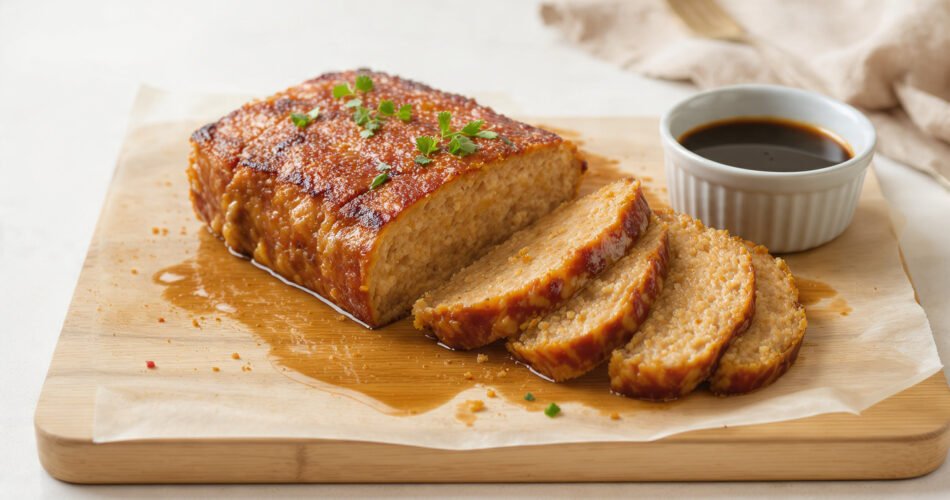
Seitan is a chewy, high-protein meat substitute made from seasoned wheat gluten.
This guide gives you one reliable master recipe, plus a fast “chicken-style” option for busy nights.
Seitan starts as a simple dough, then turns firm as it cooks. When the seasoning is right, it becomes a flexible protein you can use almost anywhere, from stir-fries to sandwiches to big, saucy bowls.
You’ll learn two core methods, gentle simmering for slices and chunks, and quick steaming for bite-size pieces. Along the way, a few small rules will protect your texture and keep it from going rubbery.
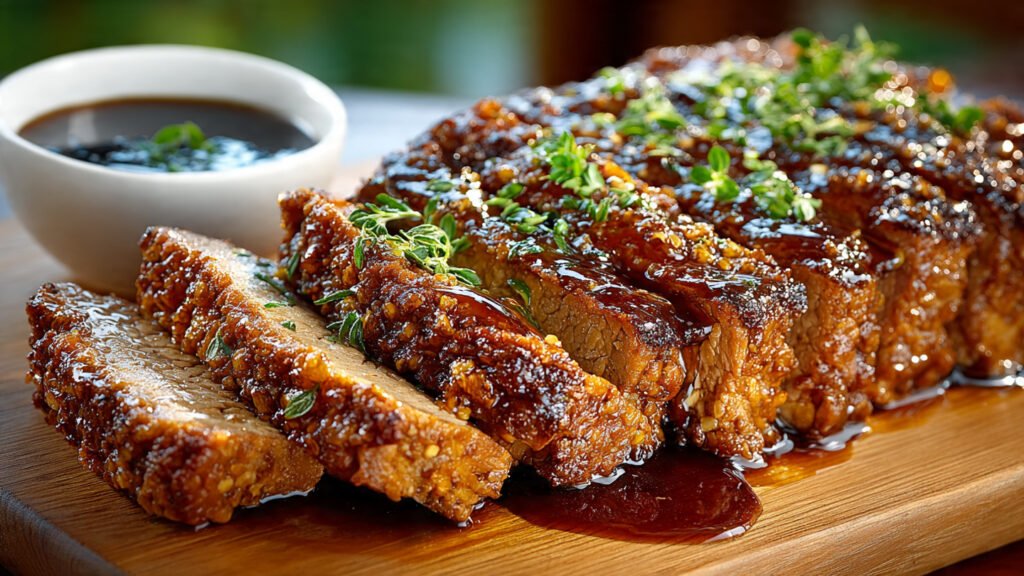
Sliced homemade seitan with a chewy, meat like bite.
At a glance
- Gentle simmer (broth-simmered): Best for slices and chunks, keep heat low and steady.
- Quick steaming: Best for bite-size “vegan chicken” pieces, steam briefly, then brown if you want.
What seitan is (and why it works)
Seitan is made from wheat gluten, the main protein in wheat. That high-gluten base is why it can feel “meaty” once cooked well.
Flavor mostly comes from your seasonings and cooking liquid. Texture depends on heat control, timing, and how you shape the dough, which sounds fussy, but it is easy once you see it.
One warning matters more than the rest. Do not let the pot rage at a hard boil, because fast bubbling can puff the dough and leave you with a spongy bite.
Seitan basics before cooking
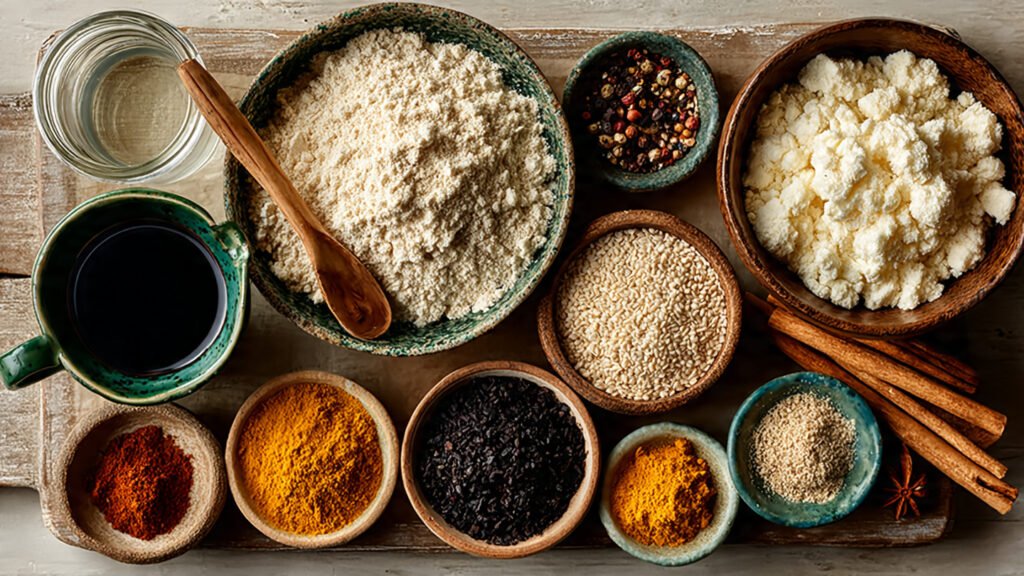
Simple seitan ingredients, ready to mix.
- Key ingredient: Vital wheat gluten is the foundation of most seitan recipes. A “cut” flour (like chickpea flour) can soften the bite and change the chew.
- The golden rule: Keep the cooking liquid at a gentle simmer, not a hard boil.
- Why smaller pieces help: Smaller pieces absorb flavor faster and cook more evenly. They also give the dough room to expand without getting dense in the center.
Master seitan recipe (all-purpose base)
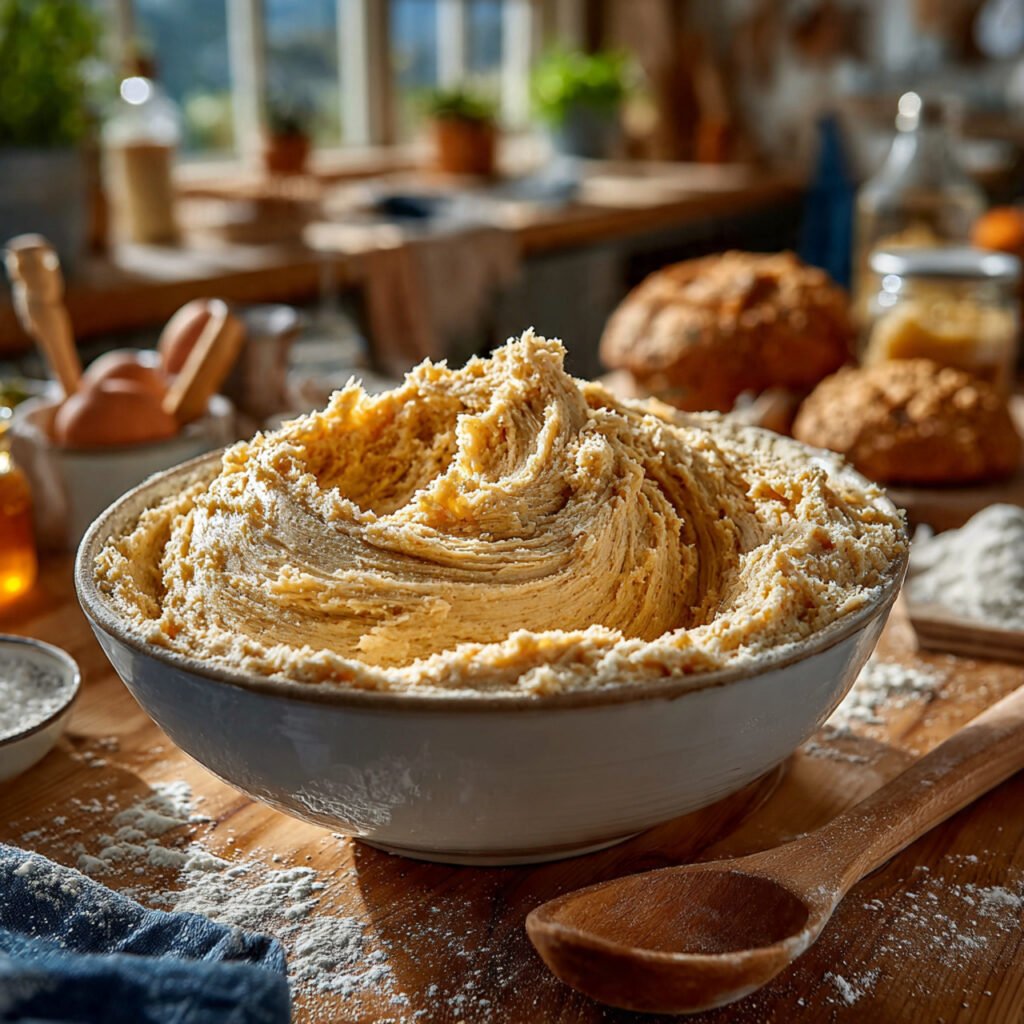
Seitan dough should look elastic, not crumbly.
Ingredients (base dough)
Optional seasonings for the dough: 1 tsp garlic powder, 1 tsp onion powder, and 1 tbsp nutritional yeast
- 1 cup vital wheat gluten
- 1/4 cup chickpea flour (or another “cut” flour)
- 1 cup water
Ingredients (base broth idea)
- About 6 cups broth or seasoned water
- Salty umami seasoning (soy sauce or tamari) so it tastes “meaty”
Method (simmered base)

Keep the broth at a gentle simmer for better texture.
- Mix vital wheat gluten and chickpea flour in a bowl.
- Add water, then stir until a dough forms.
- Knead about 5 minutes, then rest about 5 minutes.
- Bring broth to a boil, then lower heat to a very gentle simmer.
- Cut dough into at least 4 pieces, then add to the pot.
- Simmer about 1 hour at a gentle simmer.
- Cool, then store in broth in an airtight container (about 5 days chilled, or about 3 months frozen).
Quick method (steamed “vegan chicken” pieces)
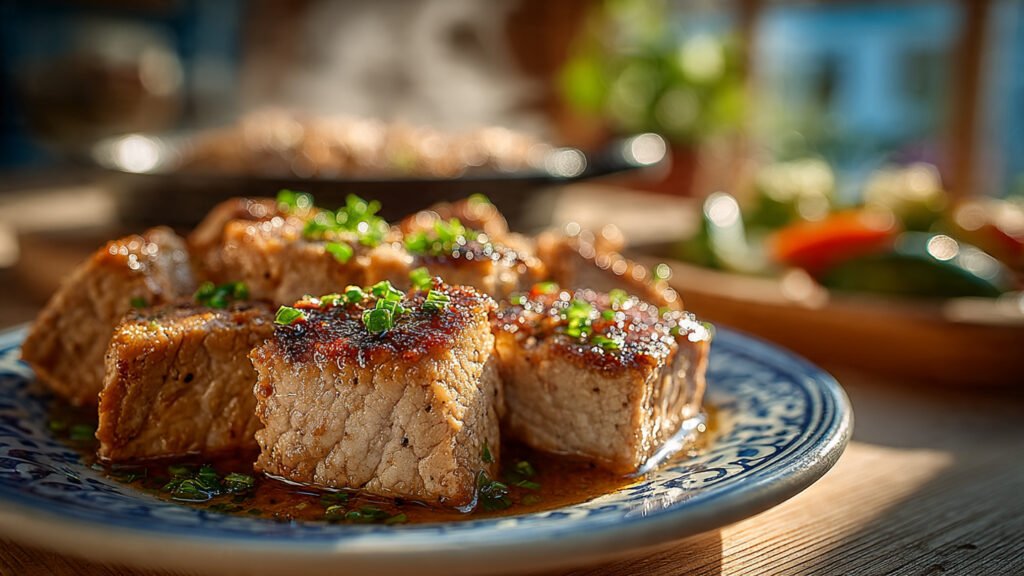
Steamed seitan pieces, ready to brown and serve.
Tear the dough into bite-size pieces, then steam about 10 minutes.
For extra color and chew, pan-fry the steamed pieces for fast browning.
Use this method when you want quick, small pieces that grab sauce. It works well for wraps, salads, rice bowls, and weeknight meal prep.
Recipe ideas, uses, storage, FAQ
Seitan recipes to make next (choose your style)
Seitan Variations to Try:
-
Broth-Simmered: Best for slices or chunks (sandwiches/stews). Technique: Low & steady simmer for 1 hour.
-
Quick Steamed: Best for bite-size “chicken” pieces (salads/bowls). Technique: Steam for 10 mins, then pan-fry.
-
Stir-Fry Style: For firmer pieces. Technique: Use less water in dough, simmer gently.
How to use seitan in meals
Seitan handles pan-frying, stir-frying, baking, grilling, steaming, and simmering in sauces. It also cooks fast in final dishes, since it is already cooked after the first simmer or steam.
Storage and make-ahead
For the best texture, store seitan in its broth in an airtight container. It keeps about 5 days in the fridge, or about 3 months in the freezer.
FAQ
What is seitan, and what is it made from?
Seitan is a chewy meat substitute made from wheat gluten (the main protein in wheat). It is mixed into a dough, then cooked until firm.
Is seitan gluten-free?
No, seitan is not gluten-free. It is made from vital wheat gluten, so it is not safe for celiac disease.
Why did my seitan turn spongy or rubbery?
The broth was likely boiling too hard. Keep the liquid at a very gentle simmer for better texture.
Should seitan be simmered or steamed?
Simmering works best for slices and larger chunks that you will later sauté or stew. Steaming works best for quick bite-size “vegan chicken” pieces, then pan-browning.
How do you store and freeze homemade seitan?
For the best flavor, store seitan in its broth in an airtight container. It can keep about 5 days chilled, or about 3 months frozen.