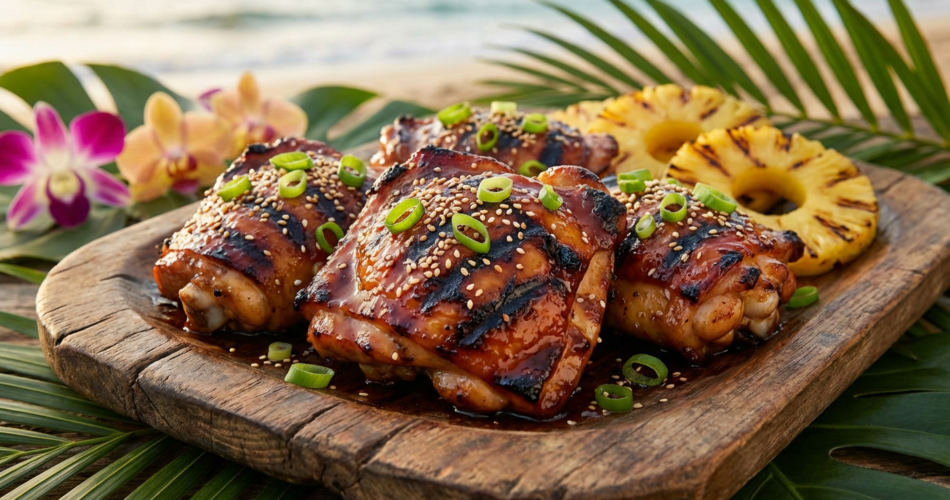
If you’ve ever bitten into perfectly glazed Hawaiian barbecue chicken with that signature sweet-savory balance and wondered why it tastes so different from your backyard teriyaki, you’re about to discover the answer. Huli Huli Chicken isn’t just another grilled chicken recipe—it’s a culinary tradition born from necessity, perfected through science, and beloved across the Pacific for nearly 70 years.
In this guide, we’re going beyond the basic recipe. You’ll learn the authentic history behind this iconic dish, understand the enzymatic magic of pineapple juice, master the art of achieving that sticky glaze without the burnt sugar catastrophe, and discover cooking methods that work whether you’re using a charcoal grill, air fryer, or oven broiler.
Quick Summary
Huli Huli Chicken is a Hawaiian-style barbecue chicken featuring a sweet-savory glaze made from soy sauce, brown sugar, ketchup, ginger, garlic, and pineapple juice. Created in 1955 by Ernest Morgado, the name “huli” means “turn” in Hawaiian, referring to the traditional rotisserie cooking method. The result is tender, caramelized chicken with a distinctive sticky-glossy finish.
The Origin Story: From Fundraiser to Island Legend
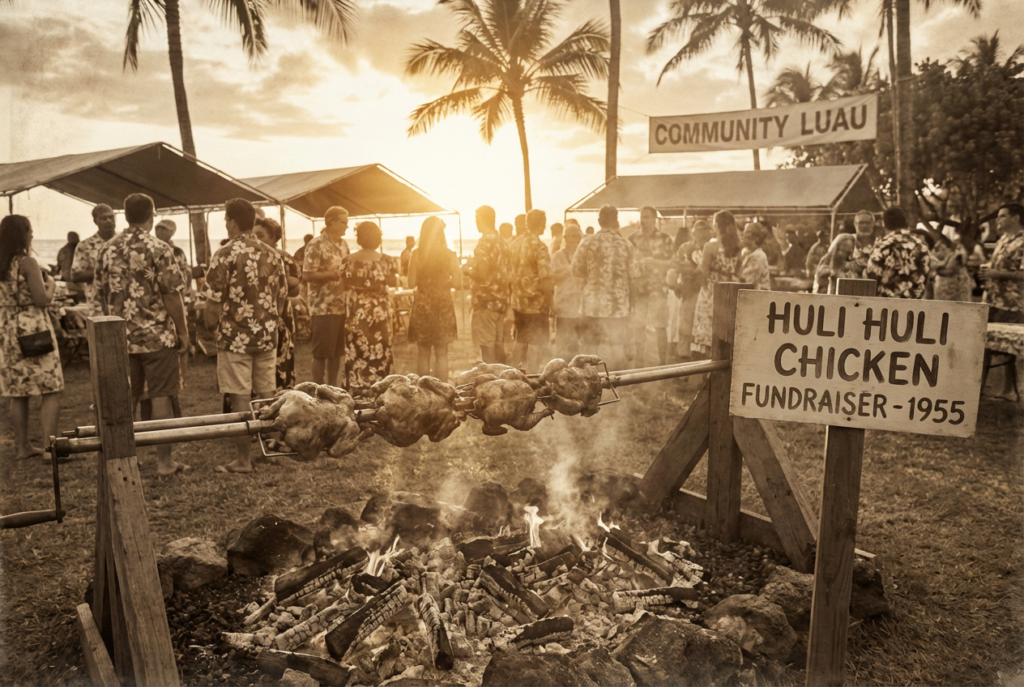
The Huli Huli Chicken recipe traces back to 1955 when Ernest Morgado, a Hawaiian chicken farmer, was asked to prepare chicken for a Honolulu farmers’ convention. Working with limited resources, he created a simple marinade using ingredients available in his pantry and cooked the chicken on rotisseries over kiawe wood fires. The chickens were constantly turned—”huli” in Hawaiian—to prevent burning and ensure even cooking.
The result was so popular that Morgado began selling his sauce commercially, and huli huli chicken became a staple at fundraisers, luaus, and roadside stands across Hawaii. Today, it represents the perfect fusion of Asian influences (soy sauce, ginger) and American convenience (ketchup, brown sugar) that defines modern Hawaiian cuisine.
Understanding the Authentic Huli Huli Sauce
The Classic Ingredient Blueprint
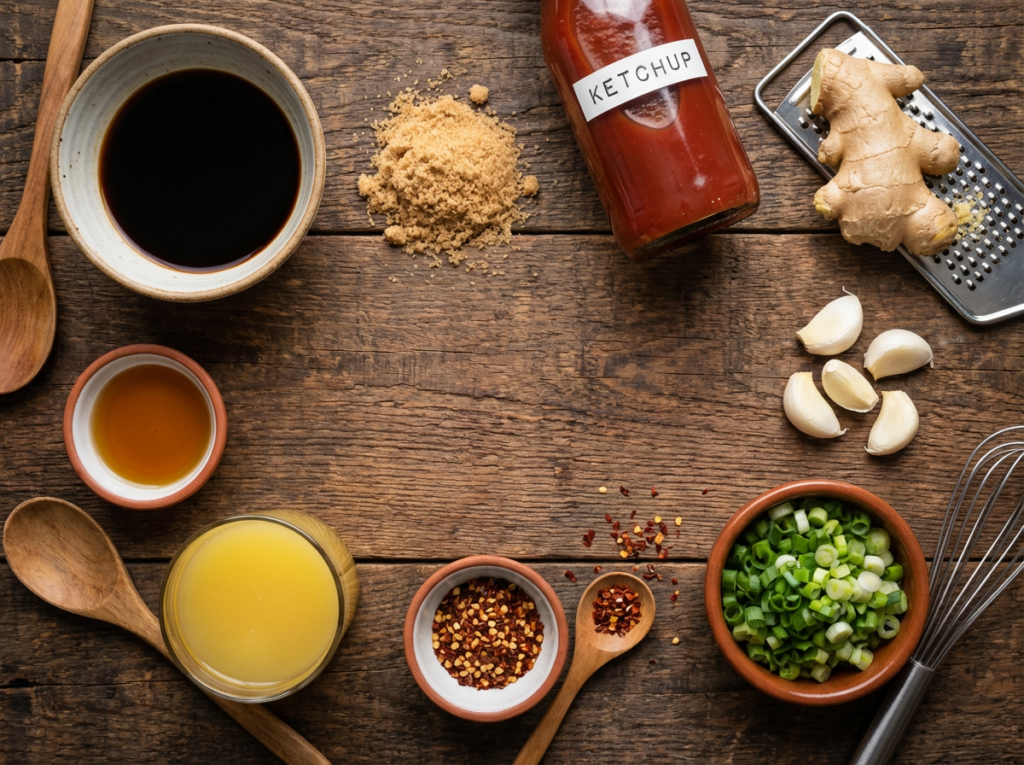
The traditional authentic Huli Huli sauce contains six foundational elements that create its signature flavor profile:
- Soy sauce – Provides umami depth and saltiness
- Brown sugar – Creates caramelization and balances savory notes
- Ketchup – Adds tang, body, and helps the glaze adhere
- Fresh ginger – Brings warmth and aromatic complexity
- Garlic – Enhances savory notes and rounds out the flavor
- Pineapple juice – The secret weapon for both flavor and tenderization
The Secret to Better Glaze
While the traditional recipe is stellar, modern cooks can elevate their sauce with strategic additions:
Sherry vinegar (1-2 tablespoons) cuts through sweetness and adds sophisticated acidity that prevents flavor fatigue. The vinegar also helps the marinade penetrate deeper into the meat.
Smoked paprika (1 teaspoon) introduces subtle smokiness that mimics the kiawe wood used in traditional preparation, especially valuable when cooking indoors.
These additions don’t replace the authentic formula—they enhance it while maintaining the spirit of the original recipe.
The Science of Bromelain: Why Pineapple Juice Matters
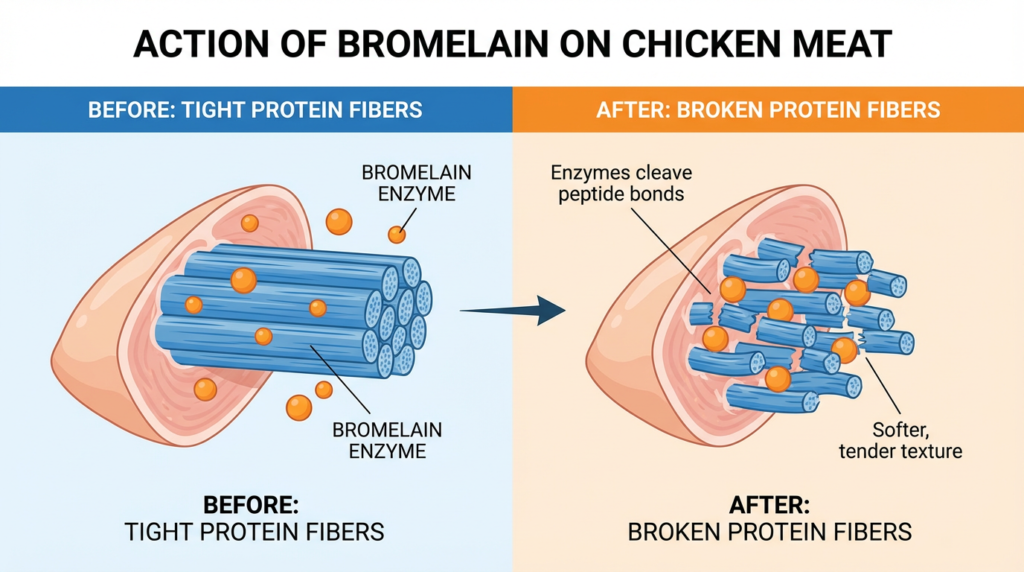
Here’s where most recipes stop short of explaining the “why” behind the ingredients. Pineapple juice contains bromelain, a proteolytic enzyme that breaks down protein structures in meat. This enzymatic action serves two critical functions:
- Tenderization: Bromelain breaks down tough collagen fibers, making even budget-friendly chicken cuts remarkably tender
- Flavor penetration: The enzyme creates microscopic channels that allow marinade components to penetrate deeper than surface seasoning alone
The 12-Hour Rule
However, there’s a crucial caveat that separates expert cooks from disappointed ones: never marinate longer than 12 hours. Beyond this threshold, bromelain continues breaking down proteins to the point where meat texture becomes mushy and unpleasantly soft. The sweet spot is 4-6 hours for maximum flavor with optimal texture, or up to 12 hours maximum if you’re preparing ahead.
This is why commercial teriyaki chicken doesn’t have the same tender quality—it lacks the enzymatic tenderization that defines authentic Hawaiian barbecue chicken.
Traditional vs. Modern: Cooking Method Comparison
| Aspect | Traditional Huli Huli | Home Cook Huli Huli |
|---|---|---|
| Heat Source | Kiawe wood fire (mesquite family) | Gas/charcoal grill or oven |
| Cooking Method | Rotisserie over indirect heat | Grill (indirect then direct) or broiler |
| Temperature | Low and slow (275-300°F) | Medium (350-375°F) |
| Time | 60-90 minutes | 30-45 minutes |
| Basting | Continuous throughout | Every 10 minutes |
| Wood Smoke | Natural kiawe flavor | Optional wood chips or smoked paprika |
| Result | Deep mahogany color, wood-smoked | Golden-brown with char marks |
This table reveals an important truth: you don’t need specialized equipment to achieve outstanding results. Understanding the principles—indirect heat first, then direct for caramelization—matters more than the cooking vessel itself.
The Dual-Cooking Method: Three Ways to Perfect Huli Huli
Method 1: Charcoal or Gas Grill (Traditional)
Step 1: Set up two-zone heating with coals or burners on one side only
Step 2: Place marinated chicken on the cool side, cover, and cook for 20 minutes
Step 3: Brush with reserved marinade every 10 minutes
Step 4: Move to direct heat for 3-4 minutes per side, watching carefully for char
Step 5: Rest 5 minutes before serving
Method 2: Air Fryer (Convenience)
Step 1: Pat chicken dry after marinating (crucial for crisping)
Step 2: Preheat air fryer to 380°F
Step 3: Arrange in single layer, avoid overlapping
Step 4: Cook 12 minutes, flip, brush with fresh sauce
Step 5: Cook additional 10-12 minutes until golden and crispy
Step 6: Broil 2 minutes for final glaze (optional)
The air fryer creates impressive caramelization without outdoor space.
Method 3: Oven Broiler (Year-Round)
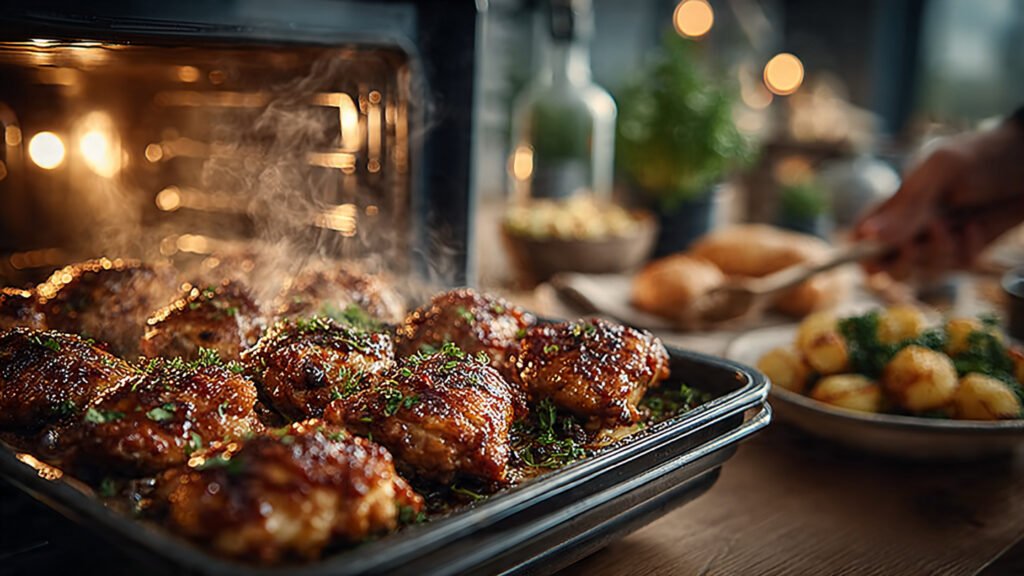
Step 1: Position rack 6 inches from broiler element
Step 2: Arrange chicken on foil-lined pan
Step 3: Bake at 375°F for 25 minutes
Step 4: Switch to broil, cook 4-5 minutes watching closely
Step 5: Flip, broil additional 3-4 minutes for char
This method offers the most control for beginners nervous about burning.
Troubleshooting: Common Huli Huli Disasters
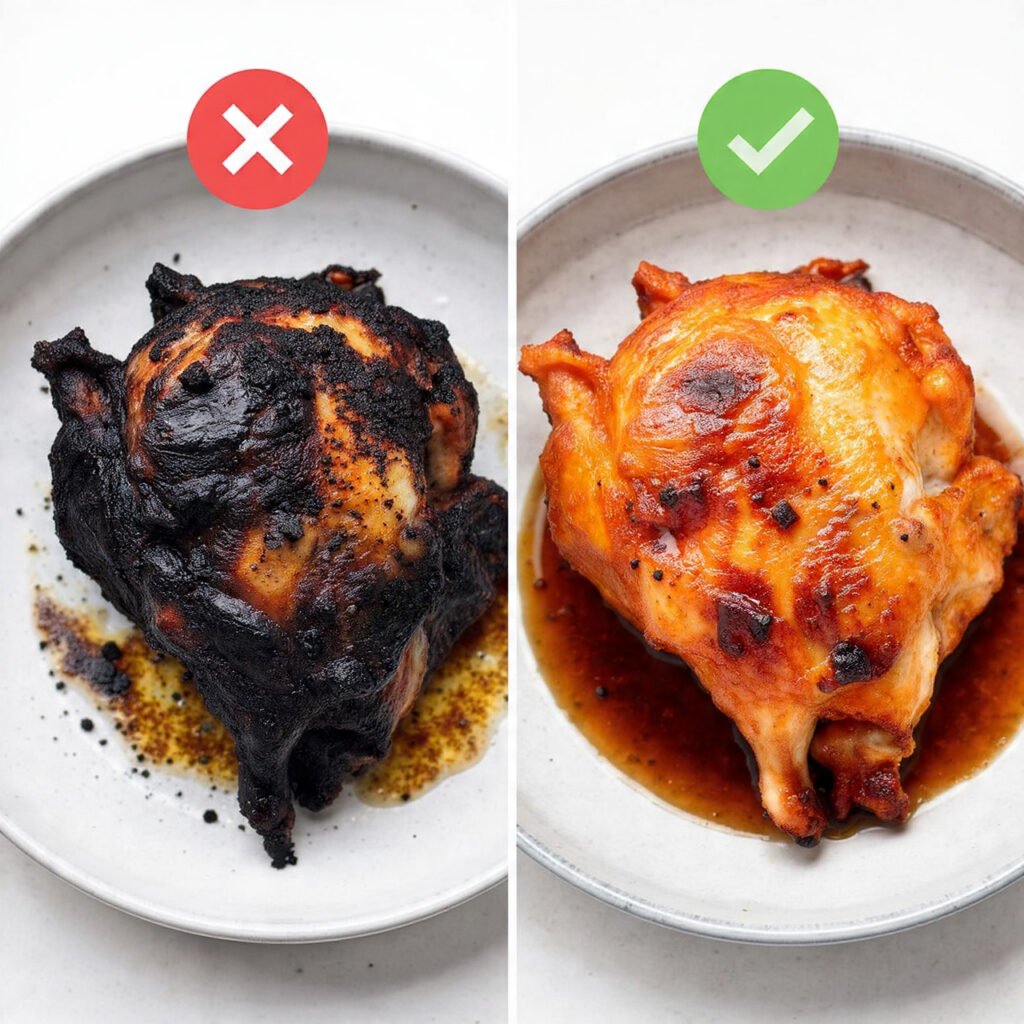
“Why is my Huli Huli chicken burning?”
The culprit is excessive sugar content meeting direct heat. Brown sugar and ketchup both contain high concentrations of simple sugars that caramelize rapidly above 300°F. The solution is the two-stage cooking approach: cook through with indirect heat first, then finish with brief direct heat only for color and char marks. Never place sugar-based marinades over direct flame from the start.
“What does Huli mean?”
In Hawaiian, “huli” translates to “turn” or “flip.” The name references the traditional rotisserie preparation where chickens were constantly rotated to ensure even cooking and prevent burning. When you flip your chicken on the grill, you’re practicing authentic huli technique.
“Can I freeze the marinade?”
Absolutely. The authentic Huli Huli sauce freezes beautifully for up to three months. Portion into zip-top bags (enough for 2-3 pounds chicken per bag), freeze flat for easy storage, and thaw overnight in the refrigerator. The enzymatic activity of bromelain pauses when frozen, so you can still achieve full tenderization after thawing.
Serving Suggestions & Pairing Ideas
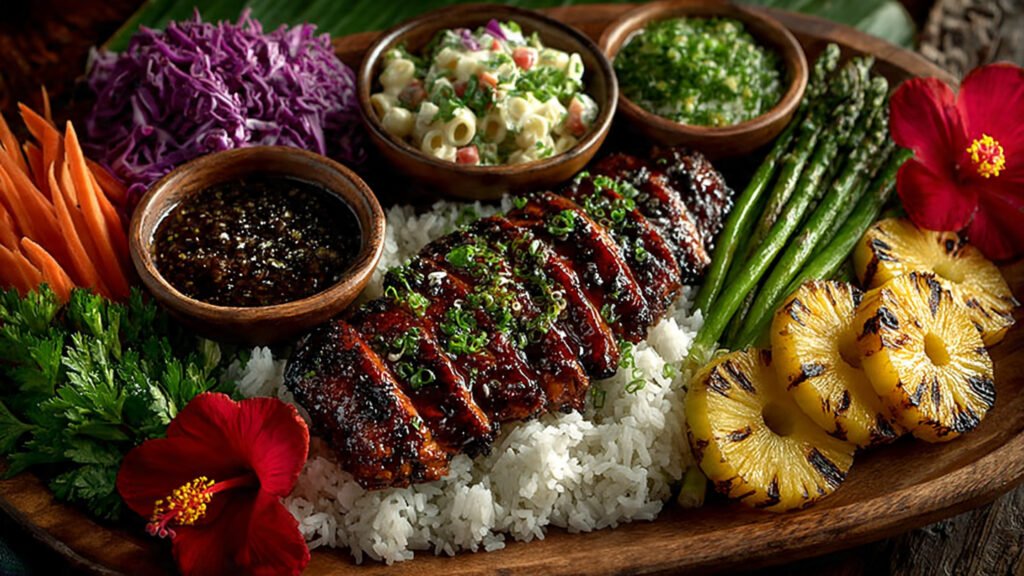
Traditional Hawaiian presentations serve huli huli chicken with:
- White rice or coconut rice to absorb the sauce
- Macaroni salad (Hawaiian-style with sweet mayonnaise dressing)
- Grilled pineapple slices for complementary sweetness
- Steamed broccoli or green beans for textural contrast
For a modern fusion approach, try slicing the chicken over mixed greens with sesame-ginger vinaigrette, or shred it for Hawaiian-style chicken tacos with cabbage slaw.
The Chemistry of the Perfect Glaze
Achieving that signature sticky-glossy finish requires understanding the Maillard reaction and sugar caramelization happening simultaneously. As the chicken cooks:
- Maillard reaction (300-350°F): Amino acids and reducing sugars create hundreds of flavor compounds and golden-brown color
- Caramelization (320-360°F): Sugar molecules break down, creating deeper color and complex sweetness
- Moisture evaporation: Surface liquid evaporates, concentrating flavors and creating the “sticky” texture
The key is maintaining temperature in the 325-375°F range—hot enough for browning reactions but not so hot that sugars burn before the chicken cooks through.
From Roadside Stand to Your Kitchen
The beauty of Huli Huli Chicken lies in its accessibility. You don’t need a trip to Hawaii or specialized equipment to create this island classic. With understanding of the enzymatic science, proper cooking techniques, and patience to develop that perfect char, you can deliver restaurant-quality Hawaiian barbecue in your own kitchen.
The recipe forgives experimentation while rewarding precision. Whether you’re grilling for a summer cookout, air frying for a weeknight dinner, or broiling during winter months, the fundamental principles remain constant: balance sweet and savory, respect the power of bromelain, and always cook with indirect heat before finishing with direct heat for caramelization.
Now that you understand both the tradition and the science, you’re equipped to create Huli Huli Chicken that would make Ernest Morgado proud—sticky, glossy, perfectly charred, and absolutely unforgettable.
FAQ
What is Huli Huli Chicken made of?
Huli Huli Chicken is made with chicken pieces marinated in a sweet-savory sauce containing soy sauce, brown sugar, ketchup, fresh ginger, garlic, and pineapple juice. The authentic Huli Huli sauce creates a sticky glaze when grilled or roasted, resulting in caramelized, tender meat with distinctive Hawaiian barbecue flavor. The pineapple juice contains bromelain, an enzyme that naturally tenderizes the chicken.
How long should you marinate Huli Huli Chicken?
Marinate Huli Huli Chicken for 4-6 hours for optimal flavor and texture, with a maximum of 12 hours. The pineapple juice in the Huli Huli Chicken recipe contains bromelain enzymes that tenderize meat, but marinating longer than 12 hours will break down proteins excessively, creating a mushy texture. For best results, marinate refrigerated and turn the chicken occasionally for even coverage.
Can you make Huli Huli Chicken in an air fryer?
Yes, you can make excellent Huli Huli Chicken in an air fryer. Pat the marinated chicken dry, preheat the air fryer to 380°F, and cook in a single layer for 12 minutes. Flip, brush with fresh sauce, and cook for an additional 10-12 minutes until the internal temperature reaches 165°F. The air fryer creates impressive caramelization and a sticky glaze without requiring outdoor grilling equipment.
Why does my Huli Huli Chicken burn on the grill?
Huli Huli Chicken burns because the high sugar content in the marinade (brown sugar and ketchup) caramelizes rapidly when exposed to direct heat above 300°F. To prevent burning, use a two-zone cooking method: start with indirect heat for 20 minutes to cook the chicken through, then move to direct heat for only 3-4 minutes per side to achieve char marks and glaze caramelization.
What does Huli Huli mean in Hawaiian?
Huli means “turn” or “flip” in Hawaiian. The name Huli Huli Chicken refers to the traditional rotisserie cooking method where chickens are continuously turned over kiawe wood fires to ensure even cooking and prevent burning. Created by Ernest Morgado in 1955, the turning technique became the signature preparation method that defines this authentic Hawaiian barbecue dish.