What Is the Creamiest Italian Cheese?
While Mascarpone technically reigns as the richest option essentially thickened cream with minimal intervention Burrata stands out as the most beloved creamy Italian cheese for its luxurious “oozy” texture. For savory applications, Stracchino and Gorgonzola Dolce deliver that coveted melt-in-your-mouth experience that defines Italian dairy excellence. Each offers a distinct path to creamy perfection, depending on how you plan to enjoy it.
The “Oozy” Kings: Spoonable Creamy Italian Cheeses
Burrata (Puglia Region)
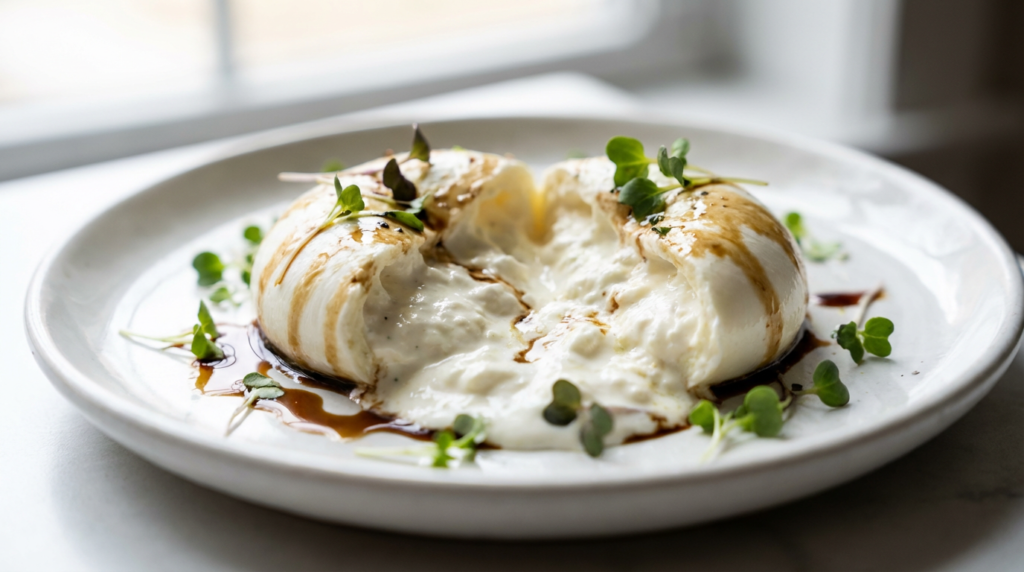
Burrata’s luxurious stracciatella filling reveals the creamy interior.
Burrata isn’t just another mozzarella it’s a revelation. This creamy Italian cheese features a delicate mozzarella shell filled with stracciatella (torn mozzarella curds) and fresh cream. The first bite releases a luscious, milky center that defines what creamy Italian cheese should be.
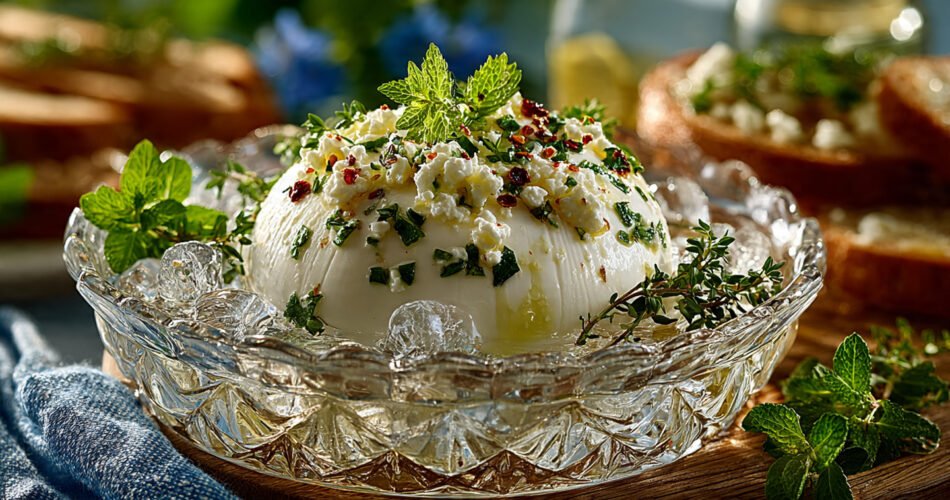
Pro tip from the source: Always serve Burrata at room temperature. Serve it cold, and you lose approximately 50% of its creamy texture and flavor complexity. Store it in a cool bowl of water (yes, like a goldfish!) for an hour before serving to loosen the cream center. This simple technique, learned from cheesemakers in Puglia, transforms the tasting experience entirely.
Best paired with: Roasted peaches, aged balsamic, and crispy crostini.
Stracciatella: The Hidden Gem
Think of stracciatella as the secret filling inside Burrata, sold separately. This creamy Italian cheese alternative offers the same luxurious texture without the delicate outer shell. It’s the ultimate “cheat code” for pasta sauces dollop it into warm pasta, and watch it melt into pure indulgence.
The “Spreadable” Savories: No Knife Needed
Stracchino (Crescenza)
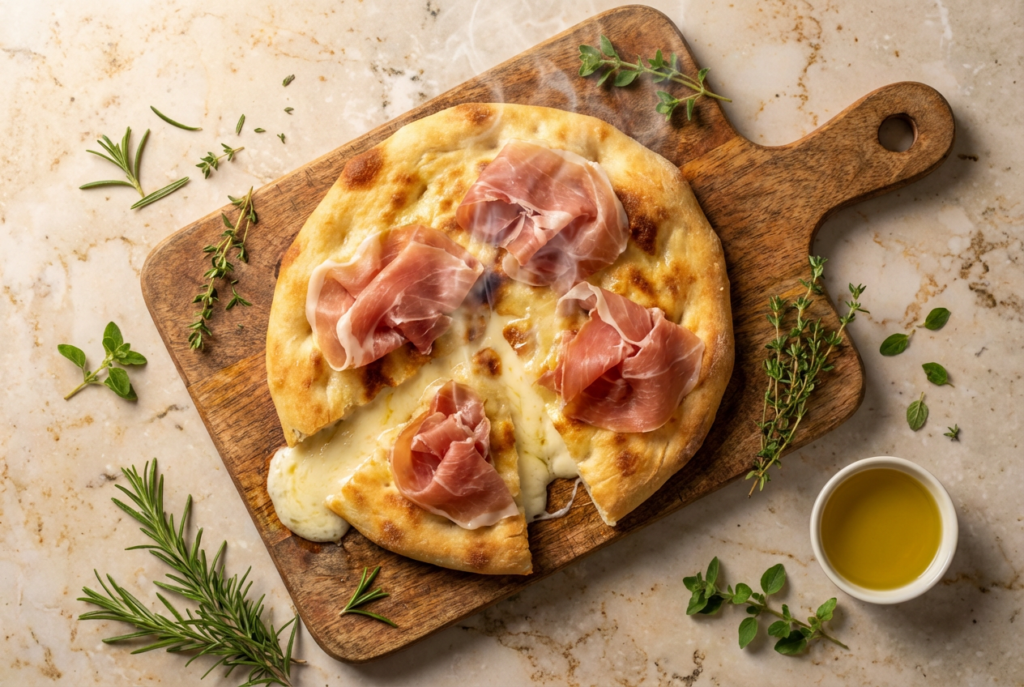
Stracchino spreads effortlessly on warm focaccia for an authentic Italian experience.
Most food blogs overlook this underrated creamy Italian cheese, but cheesemakers consider it essential. Tangier and more sophisticated than cream cheese, Stracchino offers a spreadable consistency with genuine depth. The name hints at its origin “stracch” means “tired” in Lombard dialect, named after exhausted cows milked late in the season.
Best application: Spread generously on warm Focaccia di Recco and top with prosciutto.
Robiola Bosina
This is the sommelier’s choice for creamy Italian cheese. Crafted from a blend of cow and sheep milk, Robiola Bosina delivers a pudding-like texture that’s simultaneously tangy and buttery. Its complexity makes it surprisingly versatile equally at home on a cheese board or folded into risotto.
Gorgonzola Dolce (Sweet Gorgonzola)
Here’s where differentiation matters: Gorgonzola Dolce (sweet) is scoopable, almost spreadable, with a mild blue-veined character. Gorgonzola Piccante (sharp) is crumbly and assertive an entirely different beast. For creamy Italian cheese experiences, Dolce wins every time, especially drizzled with honey and paired with walnuts.
The “Meltable” Semis: Sauce Masters
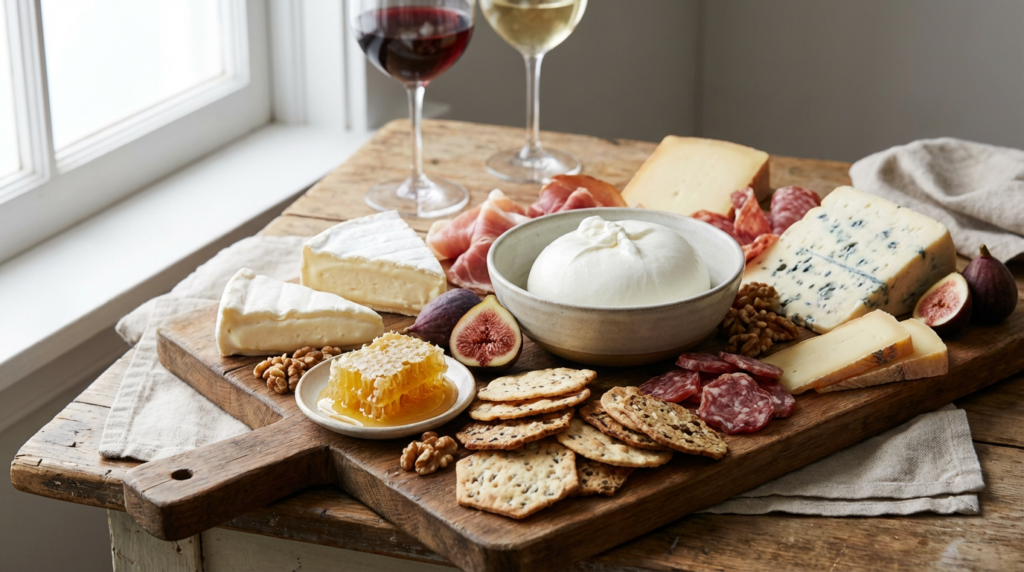
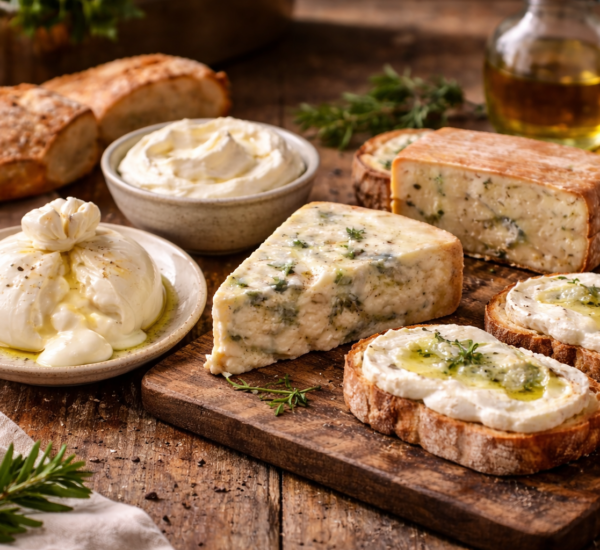
A curated selection of Italy’s creamiest cheeses, each with distinct textures and flavors
Taleggio: The Stinky-but-Mild Paradox
Yes, the orange rind smells pungent even slightly funky. But here’s the revelation: the interior is mild, buttery, and melts better than mozzarella. Taleggio is a washed-rind cheese, and that aroma is precisely why it melts so beautifully. Use it for creamy sauces, polenta dishes, or simply warm it and spoon it onto bread.
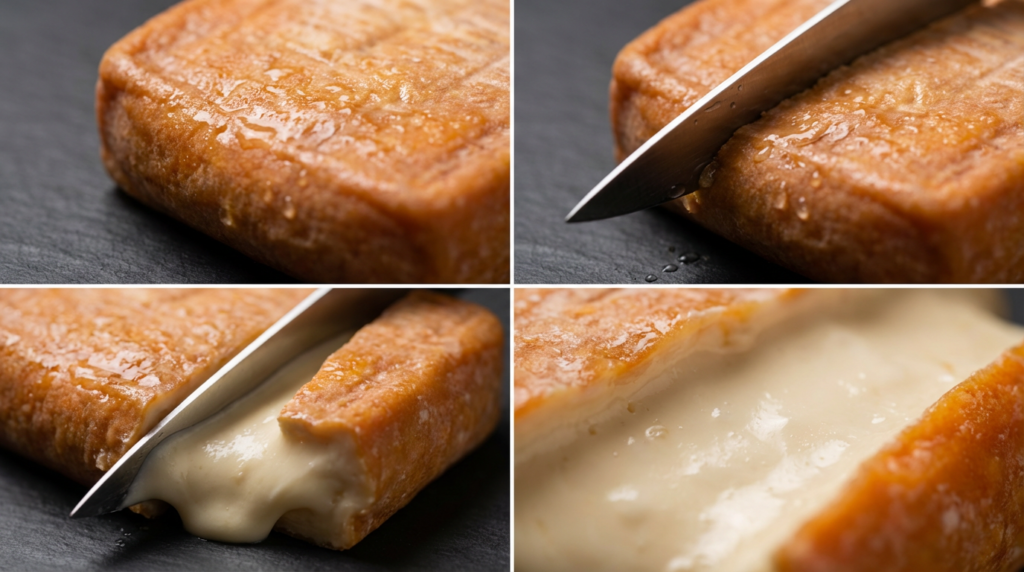
Taleggio’s distinctive rind belies its creamy, buttery interior.
Can you eat the rind? Yes it’s gritty but edible and adds earthy complexity.
Fontina Val d’Aosta
A critical authenticity check: avoid Swedish Fontina (those red-waxed wheels). Real Italian Fontina Val d’Aosta, from the Alpine Aosta Valley, is the undisputed king of fondue (Fonduta). It melts into a creamy dream and represents the pinnacle of creamy Italian cheese for hot applications.
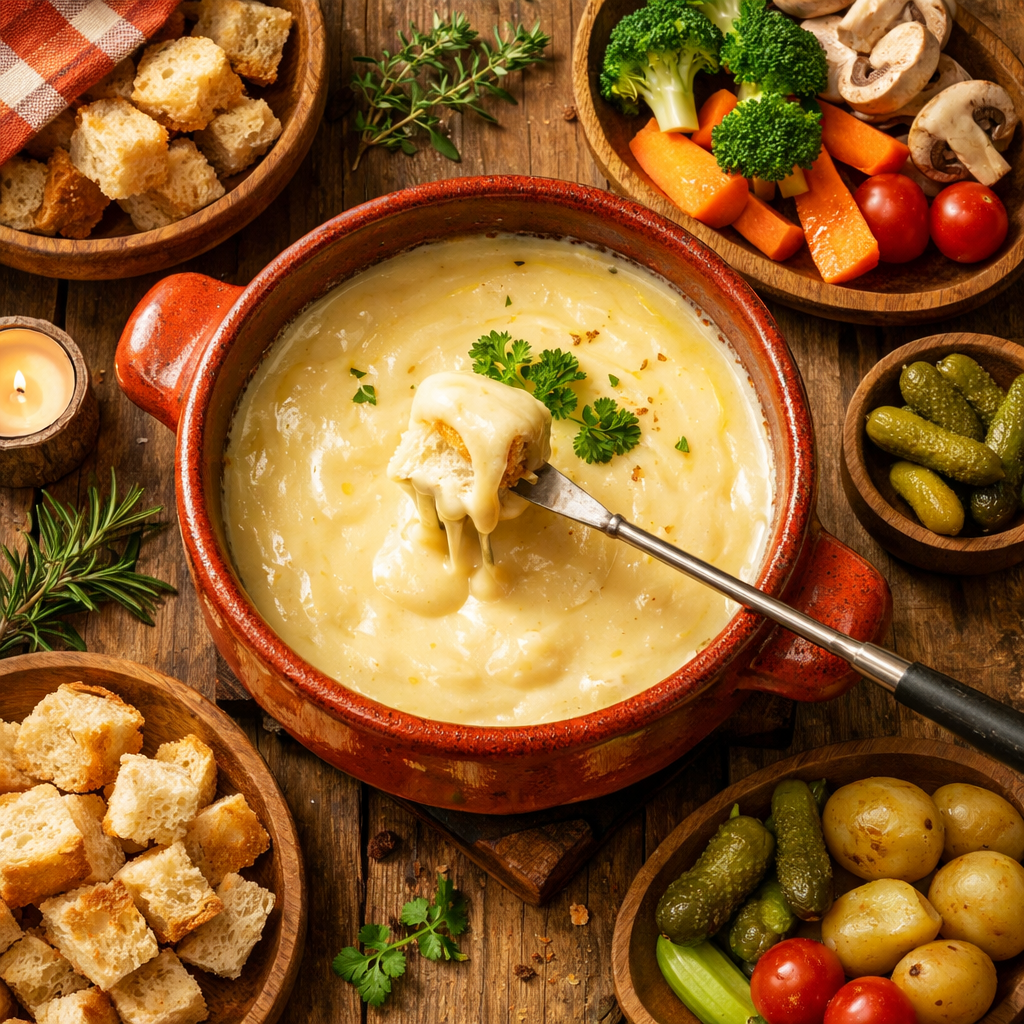
Fontina Val d’Aosta melts into silky fonduta, an iconic Alpine preparation
Perfect Pairings: Wine, Food & Texture Profile
| Creamy Italian Cheese | Best Wine Pairing | Best Food Pairing | Texture Profile |
|---|---|---|---|
| Burrata | Vermentino (Crisp White) | Roasted Peaches & Balsamic | Milky, Oozy |
| Gorgonzola Dolce | Vin Santo (Dessert Wine) | Honey & Walnuts | Soft, Buttery Blue |
| Taleggio | Nebbiolo (Light Red) | Mushroom Polenta | Melty, Earthy |
| Robiola | Franciacorta (Sparkling) | Fig Jam & Crostini | Dense, Custard-like |
| Fontina Val d’Aosta | Barbera (Medium Red) | Truffle Pasta | Rich, Foundational |
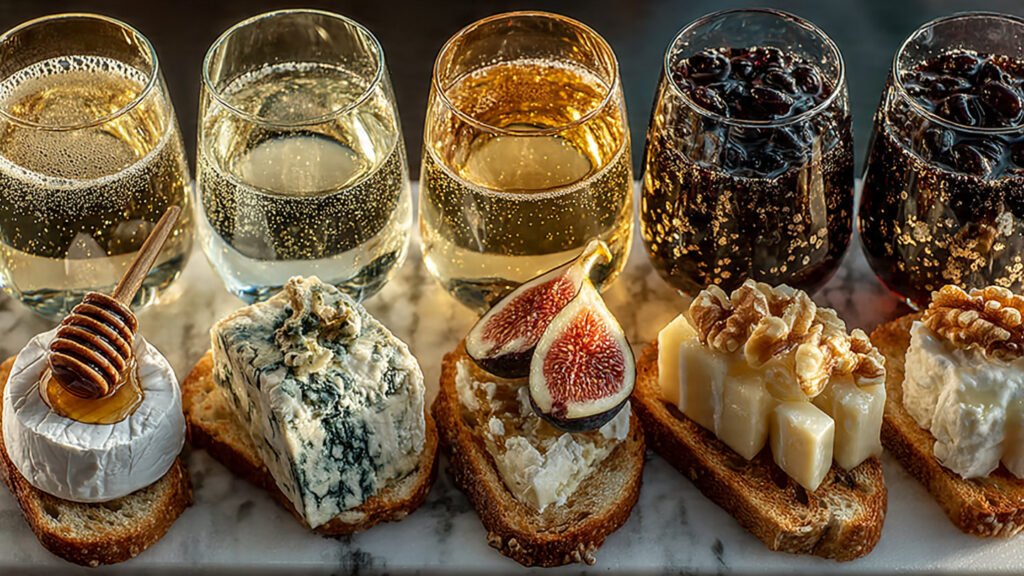
Wine and cheese pairings elevate the creamy Italian cheese experience
My “Cheesemonger” Secret
Most people buy Burrata and immediately refrigerate it. Don’t. Temperature control determines everything with creamy Italian cheese. I learned in Puglia that the optimal technique involves keeping it in a cool bowl of water for approximately one hour before serving this loosens the stracciatella filling and releases those delicate cream flavors that make Burrata legendary.
Additionally, understand that creamy Italian cheeses have personality. Stracchino from summer (when pastures flourish) tastes different from winter versions. Gorgonzola Dolce varies by producer. Build relationships with local cheesemongers who can source seasonal variations and recommend specific producers rather than generic “types.”
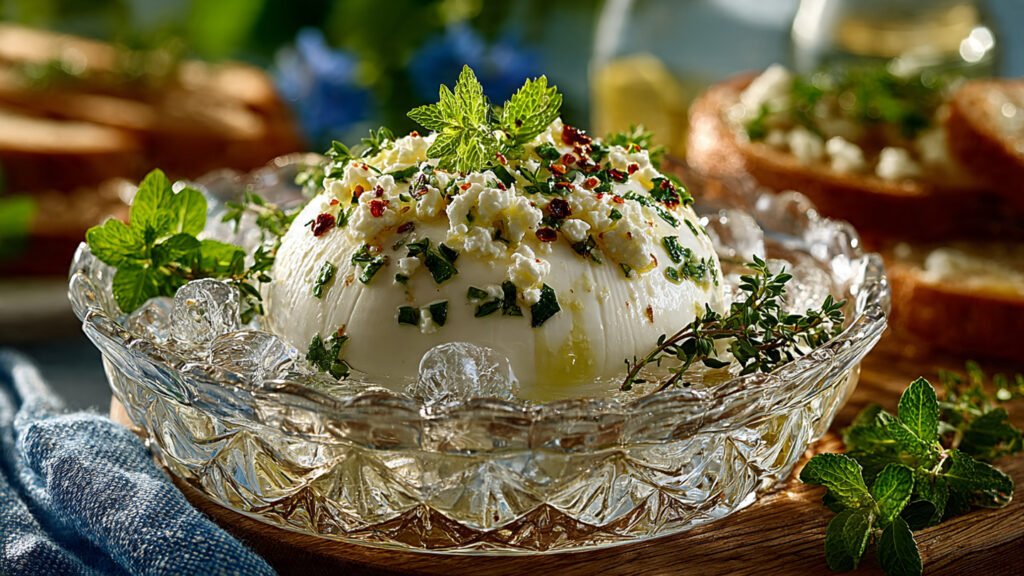
Keep Burrata in cool water for one hour before serving to unlock maximum creaminess.
FAQ
Is soft Italian cheese pasteurized? Not always. Many traditional creamy Italian cheeses use raw milk, which concerns pregnant individuals. Check labels carefully Burrata is sometimes pasteurized, sometimes not. When in doubt, ask your cheesemonger or purchase brands that explicitly state pasteurization status.
What’s the difference between Cream Cheese and Mascarpone? Both are spreadable, but Mascarpone is technically a cream (acid-set, not rennet-set) with butterfat content around 45-50%. Cream cheese is lower in fat and tangier. Mascarpone is richer; cream cheese is tangier.
Can I eat the rind on Taleggio? Absolutely. The washed rind is edible, though gritty. It adds earthy, funky notes that complement the creamy interior. Fontina rinds are also edible but tougher many prefer to remove them.
The Bottom Line
Creamy Italian cheeses represent centuries of Alpine and Mediterranean tradition. Whether you’re seeking the luxurious ooze of Burrata, the sophisticated spread of Stracchino, or the melting magic of Fontina Val d’Aosta, each creamy Italian cheese offers distinct pleasures. The key to mastery? Understand texture, honor temperature, and taste seasonally. Your palate and your dinner guests will thank you.