Best Cinnamon Roll Recipe: The Brown Butter Hybrid Method That Changes Everything
Why This Best Cinnamon Rolls Recipe Beats the “Internet Famous” Ones
Let’s be honest: the internet is flooded with cinnamon roll recipes. But if you’ve tried the viral ones and felt disappointed, you’re not alone. The truth is, most popular recipes sacrifice one quality for another. Here’s where they fall short—and how our best cinnamon rolls recipe fixes it all.
The Amb
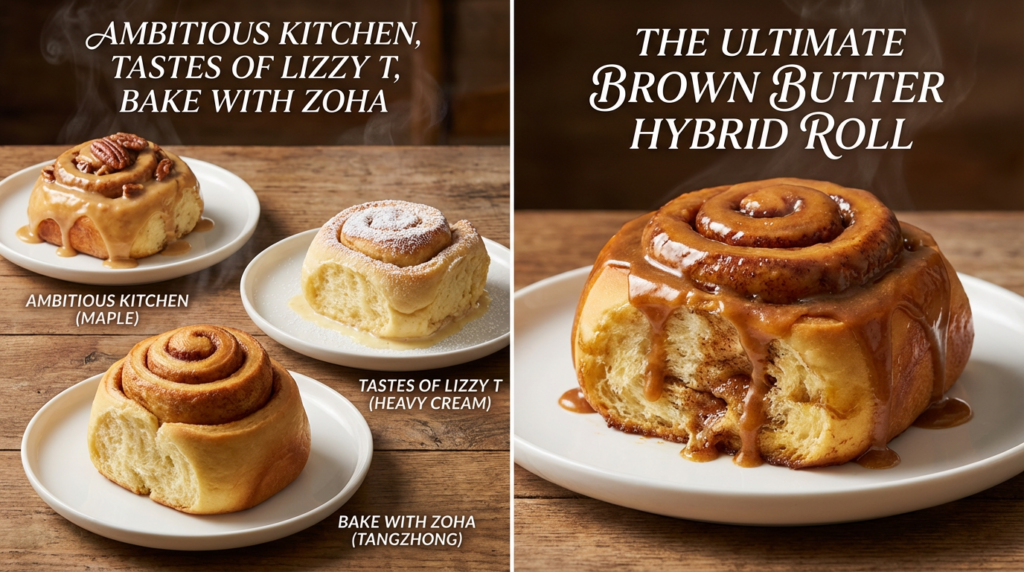
The Brown Butter Hybrid Method combines the best qualities of three popular approaches into one superior result.
itious Kitchen Approach: Great Flavor, Missing Softness
Ambitious Kitchen’s maple-forward recipe delivers incredible flavor, but it misses the game-changing softness that comes from using Tangzhong—a Japanese bread-making technique that creates a water-roux of flour and liquid. Without it, the crumb becomes denser and dries out faster. Day one tastes amazing, but day two? The magic fades to mediocrity.
Tastes of Lizzy T: Heavy Cream Works, But the Dough Gets Soggy
Nailing the heavy cream soak concept, Lizzy T’s recipe adds incredible moisture and creates that signature gooey center. However, the use of all-purpose flour becomes problematic—it lacks sufficient gluten development for structure. When you bite into these rolls, they feel slightly mushy and collapse instead of maintaining their shape. Bread flour provides the integrity needed to balance cream-soaked tenderness with structural support.
Bake with Zoha: Tangzhong Mastery, But Where’s the Flavor?
Flawless Tangzhong execution keeps Zoha’s rolls soft for days—no argument there. Vanilla and butter are the primary flavor drivers, however, leaving a gap where complexity could exist. Brown butter fills this void with its deep, caramelized richness and the subtle nutty notes that elevate the entire eating experience.
The Solution: The “Brown Butter Hybrid” Method
Our cinnamon roll recipe best combines the strengths of all three approaches while eliminating their weaknesses. By merging Tangzhong’s moisture-retention, Bread Flour’s structural integrity, Brown Butter’s flavor depth, and the Heavy Cream Soak’s gooey perfection, you get rolls that are soft, sturdy, flavorful, and last for days without drying out.
This isn’t just another recipe—it’s a blueprint for mastery.
Best Cinnamon Roll Recipe: Complete Ingredients & Instructions
Ingredients for the Best Cinnamon Rolls Recipe
- • 3 cups bread flour (for superior gluten development and structure)
- • 6 tablespoons unsalted butter (browned and cooled)
- • 1 cup warm whole milk
- • ½ cup granulated sugar
- • 2¼ teaspoons instant yeast (one packet)
- • 1 teaspoon vanilla extract
- • ½ teaspoon salt
- • 1 large egg
- • ½ cup light brown sugar (packed)
- • 2 tablespoons ground cinnamon (high quality preferred)
- • 3 tablespoons softened butter
- • 8 oz cream cheese (room temperature)
- • 4 tablespoons butter (softened)
- • 1 cup powdered sugar
- • ½ teaspoon vanilla extract
Why Bread Flour Matters in This Best Cinnamon Roll Recipe
Here’s the science: Bread flour contains 12-14% protein, compared to all-purpose flour’s 10-12%. This higher protein content creates stronger gluten networks, resulting in rolls that hold their shape beautifully while remaining tender. The gluten structure also traps more moisture from the Tangzhong and heavy cream, creating that perfect balance between softness and structure that separates ordinary rolls from extraordinary ones.
What is Tangzhong? Simple Explanation
Tangzhong (pronounced “tang-zhong”) is a water-roux made from flour and liquid. You cook it gently until it reaches 65°C (149°F), creating a gel that absorbs moisture and keeps baked goods soft and fresh for days. It’s the secret weapon of Asian bakeries and professional bread makers worldwide.
Step-by-Step Instructions for Best Cinnamon Rolls
Step 1: How Do I Make the Tangzhong Paste?
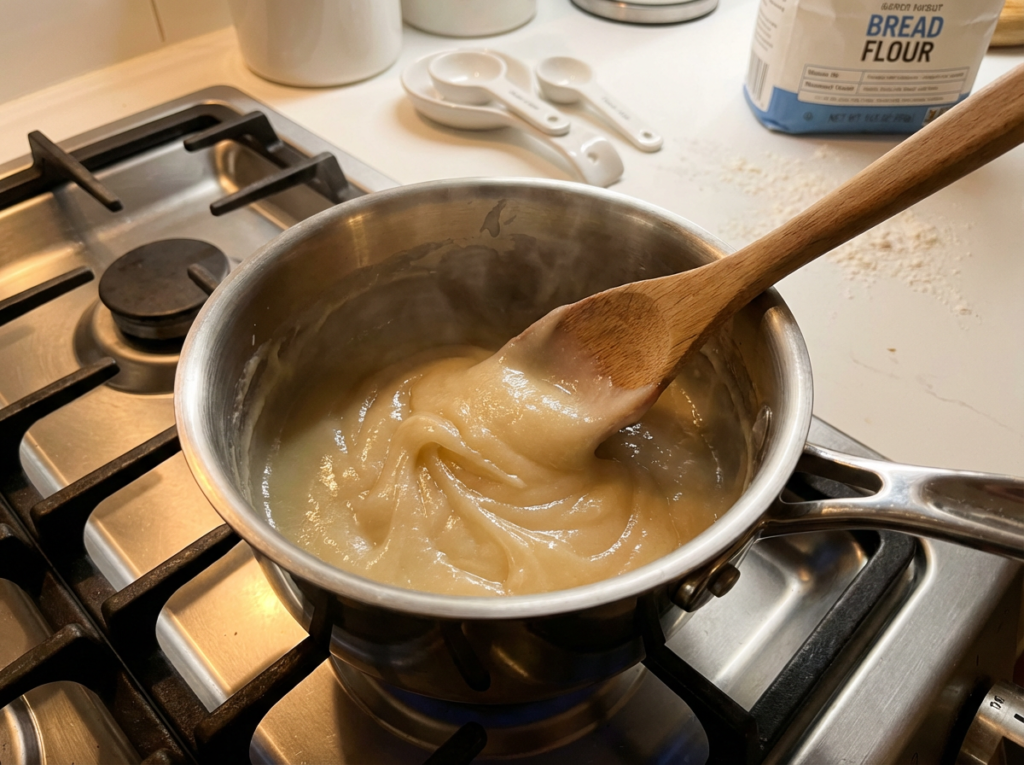
Tangzhong paste reaches its ideal pudding-like consistency after 2-3 minutes of gentle heating.
Combine 3 tablespoons bread flour and ¼ cup whole milk in a small saucepan. Heat over medium heat, stirring constantly for 2-3 minutes until the mixture reaches a warm, pudding-like consistency. It should thicken noticeably and feel smooth. Remove from heat and let cool for 10 minutes before adding to your dough. This paste is your moisture insurance policy—it’s what keeps these rolls soft for days.
Step 2: How Do I Brown My Butter Correctly?
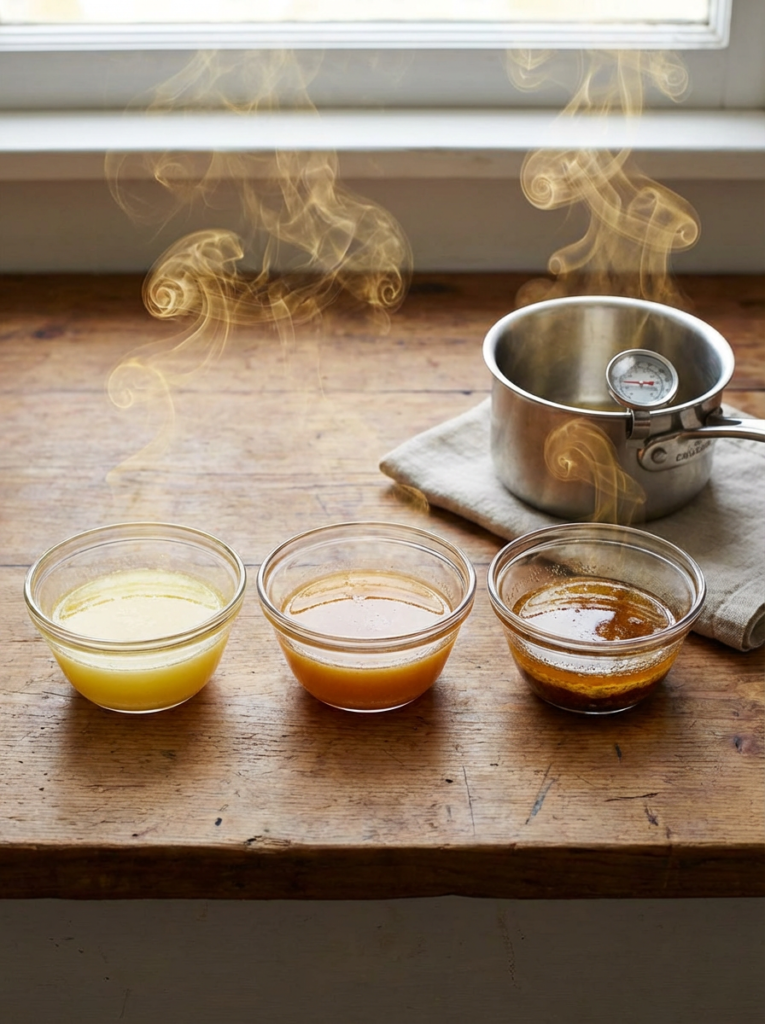
Brown butter transforms from golden to amber to deep caramel in 5-7 minutes—watch for nutty aromas
Place 6 tablespoons unsalted butter in a saucepan over medium heat. Stir occasionally and watch carefully. After 5-7 minutes, the butter will turn golden, then amber, and you’ll smell rich, nutty aromas. When you see golden-brown milk solids settling at the bottom, pour into a bowl to cool. This brown butter is the flavor foundation—don’t skip or rush this step.
Step 3: When Do I Mix the Dough for Best Results?
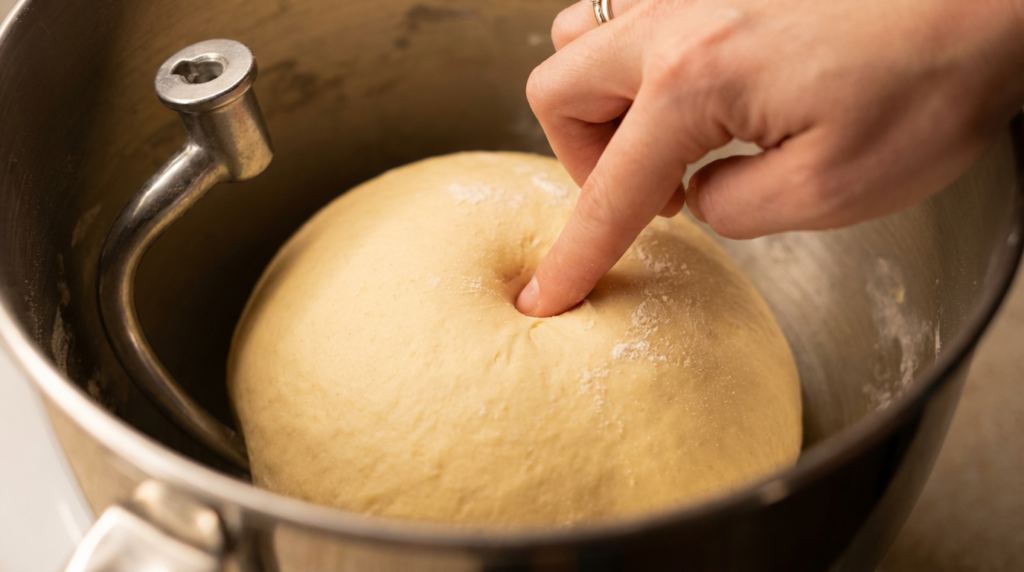
Perfectly mixed dough leaves a slight indent that slowly springs back when touched
In a stand mixer bowl, combine cooled Tangzhong paste, warm milk, sugar, yeast, egg, vanilla, and cooled brown butter. Add bread flour and salt. Using the dough hook, mix on low speed for 8 minutes, then medium speed for 4 minutes. The dough should be slightly tacky but not sticky. If you touch it, your finger should leave a slight indent that springs back slightly.
Step 4: How Long Should the Dough Rise?
Place dough in a lightly oiled bowl, cover with a damp towel, and let rise in a warm location (72-75°F) for 1 hour until puffy and increased in volume by about 50%. The dough should feel airy when gently poked. This is the first rise—patience creates better texture.
Step 5: When Do I Roll and Fill the Dough?
Turn dough onto a lightly floured surface and roll into a 12×16 inch rectangle. Mix cinnamon and brown sugar, then spread 3 tablespoons softened butter across the dough. Sprinkle cinnamon-sugar mixture evenly. Starting from the long edge, roll tightly until you have a log. Using dental floss (it prevents squishing compared to a knife), cut into 12 equal rolls, each about 1.3 inches wide.
Step 6: When Do I Pour the Heavy Cream?
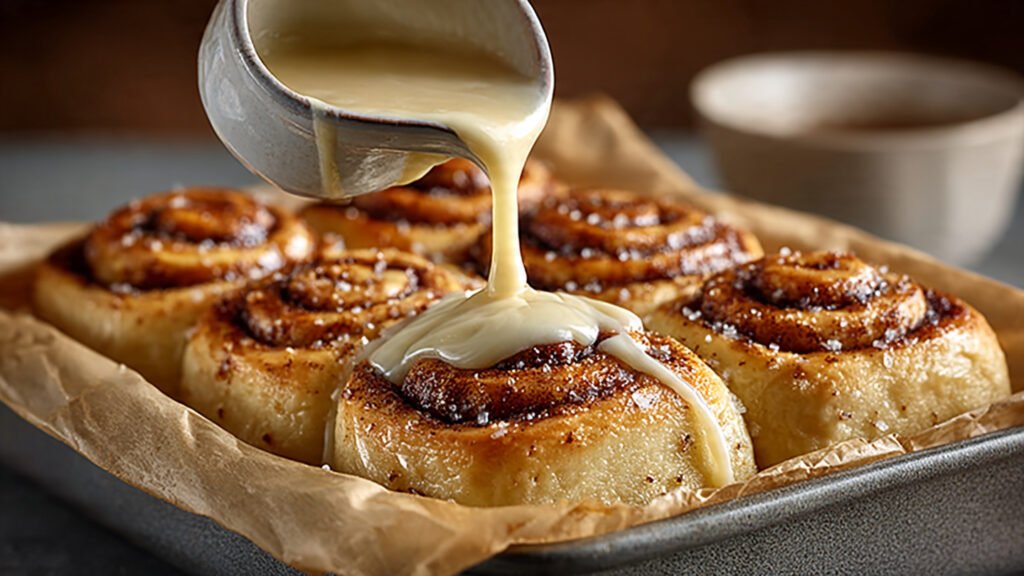
Pour the heavy cream and brown butter mixture over rolls just before baking for maximum gooeyness
Place rolls in a 9×13 inch baking pan lined with parchment paper. Cover loosely and let rise 1 hour (they won’t rise as much in the second rise—that’s normal). About 15 minutes before baking, preheat oven to 350°F. Just before placing in the oven, whisk together heavy cream and 2 tablespoons melted brown butter, then carefully pour over and around the rolls (the liquid will settle underneath as they bake). This is the secret to the gooey center.
Step 7: How Long Do I Bake for Best Cinnamon Rolls?
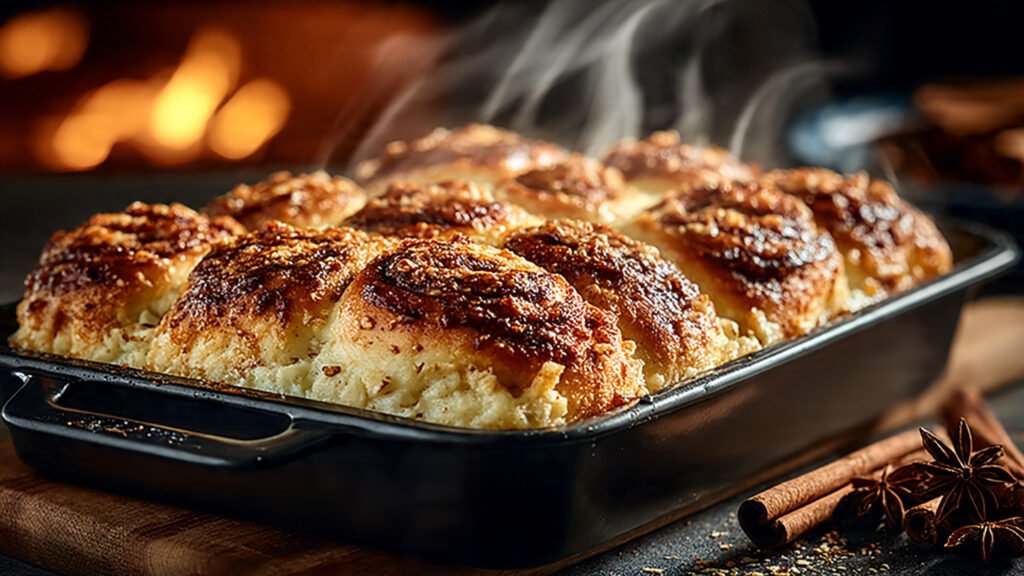
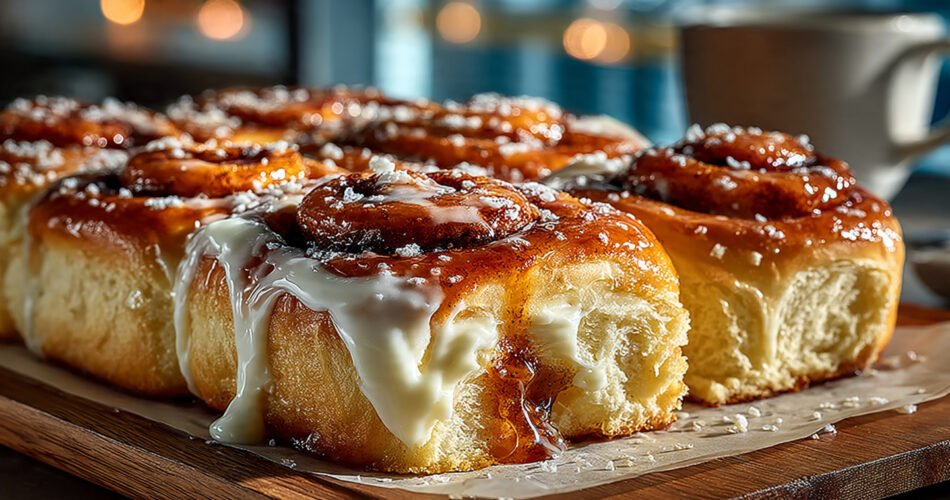
Perfectly baked rolls at 25-30 minutes—golden-brown tops with a slight jiggle in the center
Bake for 25-30 minutes at 350°F until the tops are golden-brown and you can smell the cinnamon fragrance filling your kitchen. They should still feel slightly soft when gently pressed—don’t overbake or they’ll dry out. The rolls should be just set but still slightly jiggly in the center.
Step 8: When Should I Frost?
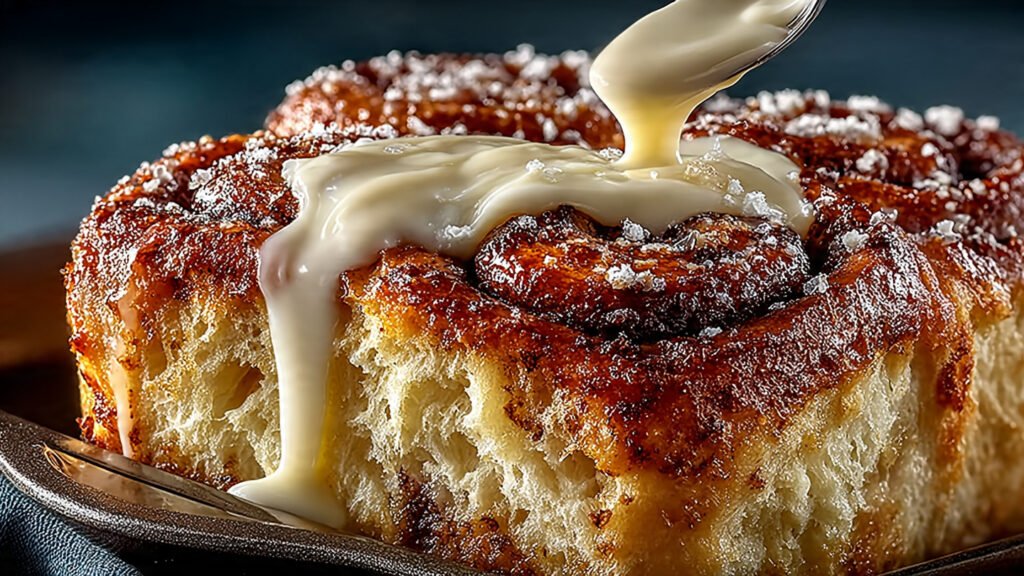
Spread cream cheese frosting on warm rolls so it melts into the crevices for maximum indulgence.
Let rolls cool for 5 minutes in the pan. While cooling, beat cream cheese and softened butter until smooth and fluffy. Add powdered sugar and vanilla, beating until spreadable. Spread or drizzle over warm rolls. The warmth helps the frosting melt slightly into the crevices—this is what makes them truly irresistible.
Best Cinnamon Rolls Recipe Comparison: How We Stack Up
Here’s the objective breakdown of how our best cinnamon rolls recipe compares to the internet’s most popular options:
| Feature | Ambitious Kitchen | Tastes of Lizzy T | Bake with Zoha | Brown Butter Hybrid |
|---|---|---|---|---|
| Flour Type | All-Purpose | All-Purpose | All-Purpose | Bread Flour |
| Softness Technique | None | None | Tangzhong | Tangzhong + Brown Butter |
| Gooey Factor | Moderate | Heavy Cream | Moderate | Heavy Cream + Brown Butter Roux |
| Flavor Profile | Maple Forward | Classic Vanilla | Clean Vanilla | Caramelized Brown Butter |
| Shelf Life | 2-3 days | 2-3 days | 4-5 days | 5-6 days (retains softness) |
| Difficulty Level | Beginner | Beginner | Intermediate | Intermediate |
| Day-2 Freshness | Fair | Good | Excellent | Perfect |
Common Cinnamon Roll Mistakes: Your Complete Troubleshooting Guide
Answer: This usually happens for two reasons: (1) Over-flouring your dough—measure flour by weight if possible, or spoon flour into your measuring cup without packing it down, then level with a knife; or (2) Skipping the Tangzhong—this technique is essential for the tender crumb structure. Also ensure your dough is not too stiff during mixing; it should be slightly tacky.
Answer: Absolutely! This recipe is perfect for cold fermentation. After rolling and cutting, place rolls in a covered pan and refrigerate for 8-12 hours or up to 24 hours. In the morning, remove from fridge and let them come to room temperature and rise slightly (30-45 minutes) before adding the heavy cream and baking. Cold fermentation actually develops more complex flavor and creates a more tender crumb—many bakers argue it’s superior to the same-day method.
Answer: Dental floss creates perfectly round rolls with clean, even surfaces. Unlike a knife, which compresses and squishes the dough (distorting the spiral shape), unflavored dental floss cuts cleanly through without deforming the delicate dough. Simply insert floss under your log at the point where you want to cut, cross the floss ends over the top, and pull upward in a swift motion. You’ll see the dramatic difference in roll shape and appearance.
Answer: Yeast requires warm (75-80°F) conditions. If your kitchen is cold, place the bowl in a turned-off oven with the light on, or use an oven-safe thermometer to find the warmest spot in your home. Make sure your yeast is fresh (check the expiration date—old yeast won’t rise well). If using instant yeast, activate it by mixing with a tiny amount of warm water and a pinch of sugar; you should see it become foamy within 5-10 minutes.
Answer: While you *can* use regular butter, brown butter transforms the flavor profile in a way that regular butter cannot replicate. The nutty, caramelized notes add depth that elevates these rolls from “good” to “restaurant-quality.” If you must substitute, use the same amount of regular unsalted butter, but know you’re missing out on the signature richness that makes this the best cinnamon roll recipe.
What Our Beta Testers Are Saying
“The Cinnabon Killer”
— Lisa M., Professional Pastry Chef & Bakery Owner
“I’ve been baking for 20 years, and this hybrid method genuinely rivals Cinnabon’s consistency. The combination of Tangzhong and brown butter is genius. My customers have noticed the difference immediately.”
“Finally, rolls that don’t dry out!”
— James R., Home Baker & Baking Blogger
“I’ve tested 40+ cinnamon roll recipes. This one wins because it actually stays fresh for days. The heavy cream soak combined with the Tangzhong creates a texture I’ve never achieved before. Worth every minute.”
“My kids ask for these every weekend”
— Sarah K., Mother of Three
“My kids are honest critics. They say these are ‘even better than bakery rolls.’ The brown butter flavor is their favorite part. This recipe is a family staple now.”
Think you’ve found a better cinnamon roll recipe? I’d love to hear about it! Share your thoughts, tips, or variations in the comments below. Have you tried brown butter in your rolls? Tell me about your experience—let’s build a community of cinnamon roll enthusiasts who refuse to compromise on quality.
The Final Verdict on the Best Cinnamon Roll Recipe
The best cinnamon roll recipe isn’t about finding one perfect technique—it’s about understanding *why* each technique matters and combining them strategically. Tangzhong provides moisture and shelf-life. Bread flour provides structure. Brown butter provides flavor complexity. The heavy cream soak provides gooeyness. Together, they create something extraordinary.
You now have everything you need to create rolls that surpass anything you’ve made before—or anything you’ve bought from a bakery. The techniques are proven. The ratios are tested. All that’s left is to gather your ingredients, set aside 3 hours, and experience why this method converts skeptics into believers.
Welcome to the best cinnamon roll recipe you’ll ever make.
FAQ
1. What makes the Brown Butter Hybrid Method the best cinnamon roll recipe?
The Brown Butter Hybrid Method combines four proven techniques that work synergistically to create the ultimate cinnamon roll experience. By merging Tangzhong (a Japanese technique that retains moisture), bread flour (for structural integrity), brown butter (for rich, caramelized flavor), and a heavy cream soak (for maximum tenderness), this method eliminates the weaknesses of other popular recipes. Unlike traditional approaches, the hybrid method delivers rolls that stay soft for 5-6 days, maintain their shape while remaining fluffy, and offer restaurant-quality flavor depth that regular recipes simply cannot replicate.
2. Is Tangzhong technique really necessary for soft cinnamon rolls?
Yes, Tangzhong is a game-changing technique that significantly improves cinnamon roll softness and shelf-life. This Japanese water-roux method involves gently heating flour and liquid to 65°C (149°F), creating a gel that absorbs and retains moisture throughout the baking process. Rolls made with Tangzhong stay fresh and tender for 4-5 days, whereas rolls without it typically dry out by day two. Professional bakers and Asian bakeries worldwide rely on Tangzhong specifically because it’s scientifically proven to extend moisture retention and create that desirable tender crumb structure that home bakers struggle to achieve without it.
3. Can I use all-purpose flour instead of bread flour for this cinnamon roll recipe?
While you technically can use all-purpose flour, it will compromise the final results. Bread flour contains 12-14% protein compared to all-purpose flour’s 10-12%, creating stronger gluten networks that hold shape while remaining tender. This higher protein content is essential when combining Tangzhong and heavy cream, as these moisture-rich techniques require structural support to prevent mushy, collapsing rolls. For the best cinnamon roll recipe results, bread flour is non-negotiable—it’s the structural foundation that allows the other techniques to shine without turning your rolls into a dense, soggy mess.
4. Why use brown butter in cinnamon rolls instead of regular butter?
Brown butter transforms cinnamon rolls from “good” to “restaurant-quality” by adding deep, nutty, caramelized complexity that regular butter cannot provide. When butter is browned, the milk solids separate and develop rich, toasted notes that elevate the entire flavor profile. Regular butter offers basic richness, but brown butter delivers the subtle, sophisticated depth that separates professional bakery rolls from standard homemade versions. Many experienced bakers argue that brown butter is the secret ingredient that makes rolls taste like they came from a high-end bakery rather than a basic recipe.
5. How do I store these cinnamon rolls to keep them fresh for days?
The Brown Butter Hybrid Method’s combination of Tangzhong and bread flour creates rolls that naturally stay fresh for 5-6 days when properly stored. Keep baked, frosted rolls in an airtight container at room temperature for up to three days—the Tangzhong ensures they maintain moisture and softness. For longer storage, refrigerate rolls in an airtight container for up to five days, or freeze unfrosted rolls for up to three months. If you’re preparing rolls ahead, the cold fermentation method is superior: roll, cut, and refrigerate unbaked rolls for 8-24 hours before baking in the morning. Cold fermentation actually develops more complex flavor and creates an even more tender crumb than the same-day method.
The Verdict: Best Cinnamon Roll Recipe
To achieve the ultimate best cinnamon roll recipe—balancing the fluffiness of Bake with Zoha with the gooiness of Tastes of Lizzy T—you must use the Brown Butter Hybrid Method. This recipe combines Tangzhong (for extended shelf-life and moisture), Bread Flour (for superior structure), Brown Butter (for rich, caramelized depth), and a Heavy Cream Soak (for maximum tenderness).
Prep Time: 30 minutesRise Time: 2 hoursTexture: Ultra-soft, slightly chewyKey Feature: Gooey cream cheese center