We’ve all been there: you splurge on expensive Gruyère, carefully craft your sauce, and watch in horror as it separates into a greasy, grainy mess. You’re left wondering what went wrong with your mac and cheese recipe—and whether it’s even worth the effort anymore. Here’s the truth: it’s not your technique. It’s the missing $10 ingredient that transforms a mediocre mac and cheese recipe into a creamy, restaurant-quality dish that stays smooth every single time.
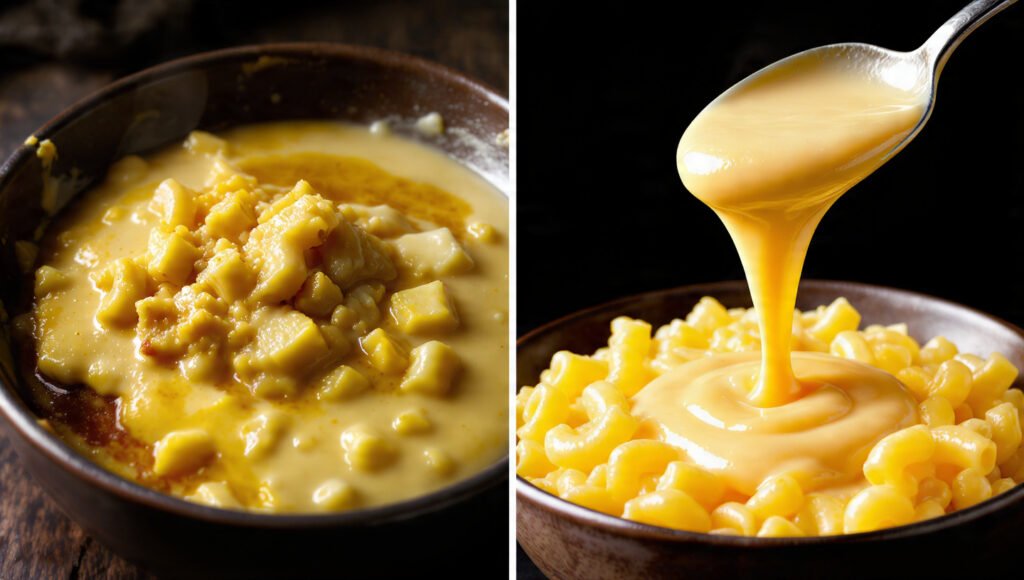
The difference between a broken, oily emulsion and the perfect, silky sauce science can provide.
Why Does Your Mac and Cheese Sauce Separate? (The Science You Need to Know)
Before we fix the problem, let’s understand the culprit behind that disappointing baked mac and cheese result.
Cheese is an emulsion—a delicate balance of fat, water, and milk proteins held together by chemical bonds. Aged cheeses like Cheddar and Gruyère are already low in moisture, making them naturally unstable when heated. When you apply high heat, the proteins seize, fat molecules break free, and you’re left with an oily, grainy sauce instead of that creamy dream you imagined.
The Real Culprit:
- Aged cheeses lose their natural emulsifiers during the aging process
- Heat disrupts calcium bonds between milk proteins
- Pre-shredded cheese contains anti-caking agents that accelerate separation
- Insufficient liquid or protein stabilizers allow the emulsion to collapse
This isn’t a cooking failure—it’s a chemistry problem. And chemistry has a solution.
The Secret Ingredient: Sodium Citrate (Melting Salts)

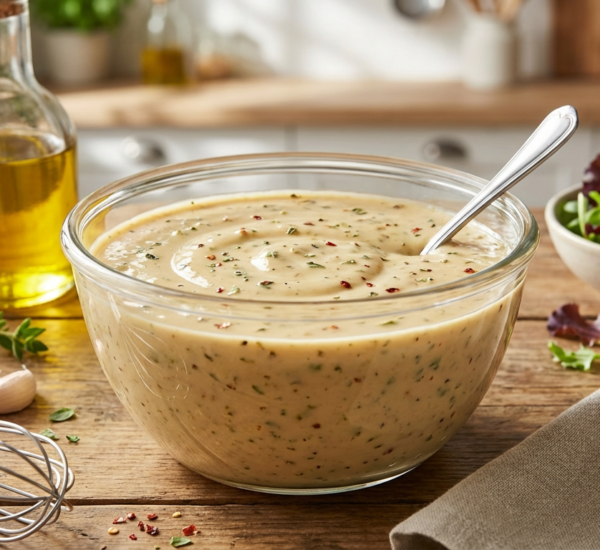
The essential setup: quality block cheese and the game-changing “melting salts.”
Here’s the game-changer that professional chefs have been using for decades: Sodium Citrate, also known as “melting salts.”
You’ve tasted sodium citrate before. It’s the ingredient that gives American cheese its impossibly smooth, pourable texture. But here’s the secret that separates amateur cooks from culinary experts: you can harness this same science with premium cheeses like aged Cheddar and Gruyère.
How Sodium Citrate Works: Sodium citrate re-establishes the calcium bonds between milk proteins, stabilizing the emulsion and preventing fat separation. It’s flavorless, requires just a teaspoon per cup of cheese, and transforms your mac and cheese recipe from mediocre to magnificent.
Can’t Find Sodium Citrate? No problem. This hack is highly shareable and works surprisingly well: combine baking soda with lemon juice to create a DIY sodium citrate substitute. Mix 1/4 teaspoon baking soda with 1 tablespoon lemon juice, let it fizz, then add to your sauce. It’s not quite as powerful, but it absolutely works.
Ingredients for the Creamiest Baked Mac and Cheese Sauce
The Cheese Foundation (Non-Negotiable):
- 1 pound block Cheddar (sharp or extra-sharp)
- 4 ounces block Gruyère
- Block cheese only—no pre-shredded. Those anti-caking agents? They’re why grocery store shredded cheese always turns grainy.
The Liquid Base:
- 1 1/2 cups evaporated milk (or heavy cream as an alternative)
- 2 tablespoons unsalted butter
The Stabilizer:
- 2 teaspoons sodium citrate (or DIY substitute)
- 1/2 teaspoon salt
- 1/4 teaspoon white pepper
- 1/4 teaspoon smoked paprika (optional, for depth)
The Pasta:
- 1 pound elbow pasta (or small shells)
Why Evaporated Milk? This ingredient often gets overlooked, but it’s a secret weapon. Evaporated milk has higher protein stability than heavy cream alone, and it’s more affordable. The proteins create a stronger matrix that holds the emulsion together during baking.
Step-by-Step Instructions: Creating Your Perfect Creamy Sauce
Step 1: Cook the Pasta Bring salted water to a boil and cook pasta until just shy of al dente—about 2 minutes under the package directions. The pasta will finish cooking in the oven, so undercooking is essential.
Step 2: Dissolve the Sodium Citrate Pour evaporated milk into a saucepan and warm over medium heat until steaming (don’t boil). Add sodium citrate and whisk until completely dissolved. This step is crucial—undissolved sodium citrate creates graininess.
Step 3: Grate Your Cheese While the milk heats, grate both cheeses by hand using the large holes of a box grater. Set aside in a large bowl.
Step 4: Emulsify the Cheese Remove the milk from heat. Add butter and let it melt. Now comes the critical moment: whisk in the grated cheese one handful at a time, stirring constantly between additions. This slow integration prevents lumps and ensures even melting. The mixture should transform into a silky, pourable sauce within 2-3 minutes.
Step 5: Combine and Season Add salt, white pepper, and paprika. Toss the drained pasta with the cheese sauce until every piece is coated.
Step 6: Assemble for Baking Transfer to a buttered 9×13 baking dish. For a golden top, toss 1/2 cup breadcrumbs with 2 tablespoons melted butter and 2 tablespoons grated Parmesan, then sprinkle evenly.
Step 7: Bake Bake at 375°F for 20-25 minutes until golden and bubbling at the edges. Don’t overbake—every minute past 25 risks drying out your mac and cheese.

The result: A golden, bubbling top protecting a creamy interior that never dries out.
Troubleshooting: How to Fix Grainy Mac and Cheese (If It Happens)
Even with perfect technique, surprises happen. Here’s how to recover:
| Problem | Solution |
|---|---|
| Grainy texture mid-cooking | Remove from heat immediately. Add a splash of cold heavy cream (2-3 tablespoons) and use an immersion blender to re-emulsify the fats. This resets the sauce. |
| Sauce too thick | Whisk in warm milk, one tablespoon at a time, until you reach the desired consistency. |
| Sauce too thin | Mix 1 tablespoon cornstarch with 2 tablespoons cold milk to create a slurry, then whisk into the sauce over low heat. |
| Oily separation visible | The emulsion has broken. Use the immersion blender trick with cold cream to salvage it. |
Comparing Mac and Cheese Recipes: Why This Method Wins
Unlike traditional roux-based recipes that leave a floury aftertaste, this sodium citrate method delivers pure cheese flavor. Unlike recipes relying on cream of soup or condensed milk shortcuts, this approach uses real ingredients you control. And unlike basic baked mac and cheese that separates and dries out, this formula stays creamy throughout baking.
The Real Difference: You’re not just cooking mac and cheese—you’re applying food science to guarantee results every single time.
The Final Word: Elevate Your Mac and Cheese Game
A truly creamy mac and cheese recipe isn’t about luck or mysterious chef magic. It’s about understanding the chemistry behind the dish and using the right ingredients—particularly sodium citrate—to stabilize your sauce. The $10 investment in sodium citrate (one container lasts for dozens of recipes) is the most important purchase you’ll make for this dish.
Start with this foolproof baked mac and cheese recipe, taste the difference quality and science create, and you’ll never go back to separated, grainy mac and cheese again.
What’s your go-to cheese combination for mac and cheese? Share your favorite variations in the comments below, or try this exact recipe and let me know how the sodium citrate transforms your results.
FAQ
What is sodium citrate and why do I need it for a mac and cheese recipe?
Sodium citrate (also called melting salts) is a food-safe ingredient that re-establishes calcium bonds between milk proteins, preventing emulsion breakdown. In a mac and cheese recipe, it stabilizes the cheese sauce by keeping fats and proteins together, resulting in a creamy, smooth texture that doesn’t separate or become grainy during baking. Professional chefs use it in premium cheese dishes because it works with high-quality aged cheeses like Cheddar and Gruyère.
Can I make a baked mac and cheese recipe without sodium citrate?
Yes, you can make a baked mac and cheese recipe without sodium citrate, but your results may vary. A simple DIY substitute combines 1/4 teaspoon baking soda with 1 tablespoon lemon juice. Let it fizz before adding to your sauce. While this substitute works reasonably well, it’s not as powerful as sodium citrate. For the most reliable, creamy baked mac and cheese recipe every time, sodium citrate is the superior choice.
Why does my mac and cheese recipe turn grainy or oily?
A grainy or oily mac and cheese recipe results from emulsion breakdown. This happens when aged cheeses lose moisture and their natural emulsifiers during the aging process. Heat causes milk proteins to seize and fats to separate. Pre-shredded cheese contains anti-caking agents that accelerate this problem. To prevent graininess in your mac and cheese recipe, always use block cheese, incorporate a stabilizer like sodium citrate, and use evaporated milk for better protein stability.
How long does a baked mac and cheese recipe take to cook?
A baked mac and cheese recipe typically requires about 45 minutes total: approximately 10-15 minutes for pasta preparation and sauce-making, and 20-25 minutes of baking time at 375°F. The exact timing depends on your oven and how golden you want the top. For the best results with this mac and cheese recipe, don’t overbake beyond 25 minutes, as extended baking can dry out the dish and ruin that creamy texture you worked hard to achieve.
What type of cheese works best for a creamy mac and cheese recipe?
For a creamy mac and cheese recipe, use block Cheddar (sharp or extra-sharp) combined with block Gruyère. Block cheese melts more uniformly and contains no anti-caking agents that cause graininess. A typical mac and cheese recipe uses a 3:1 ratio of Cheddar to Gruyère. Avoid pre-shredded cheese, which prevents proper emulsification. This cheese combination, paired with sodium citrate or a stabilizer, creates the smoothest, most flavorful mac and cheese recipe possible.