In a world where we’re constantly torn between eating what’s good for our bodies and craving what soothes our souls, recipes heartumental offers a revolutionary middle ground. This isn’t just another diet trend—it’s a culinary philosophy that recognizes food can be both medicine and memory.
What is Heartumental Cooking?
Heartumental cooking is a culinary philosophy that combines cardiovascular nutrition with the psychology of comfort food. Unlike standard dieting, Heartumental recipes prioritize ingredients that lower inflammation (Heart) while using flavor profiles associated with nostalgic well-being (Mental).
Think of it this way: traditional healthy eating often strips away the joy from meals, leaving you with bland salads and steamed vegetables. Meanwhile, pure comfort food—mac and cheese, fried chicken, creamy desserts—might lift your spirits temporarily but wreaks havoc on your cardiovascular system. The recipe guide heartumental bridges this gap by identifying ingredients and cooking methods that serve both purposes simultaneously.
Standard Diet vs. Heartumental Approach
| Aspect | Standard “Healthy” Diet | Heartumental Approach |
|---|---|---|
| Primary Focus | Calorie restriction, low fat | Anti-inflammatory nutrition + emotional satisfaction |
| Flavor Philosophy | Secondary concern | Central to design (nostalgia-driven) |
| Psychological Impact | Often feels like deprivation | Incorporates comfort and ritual |
| Key Ingredients | Generic “superfoods” | Heart-healthy foods with comforting textures/memories |
| Sustainability | Difficult long-term compliance | Designed for lifelong practice |
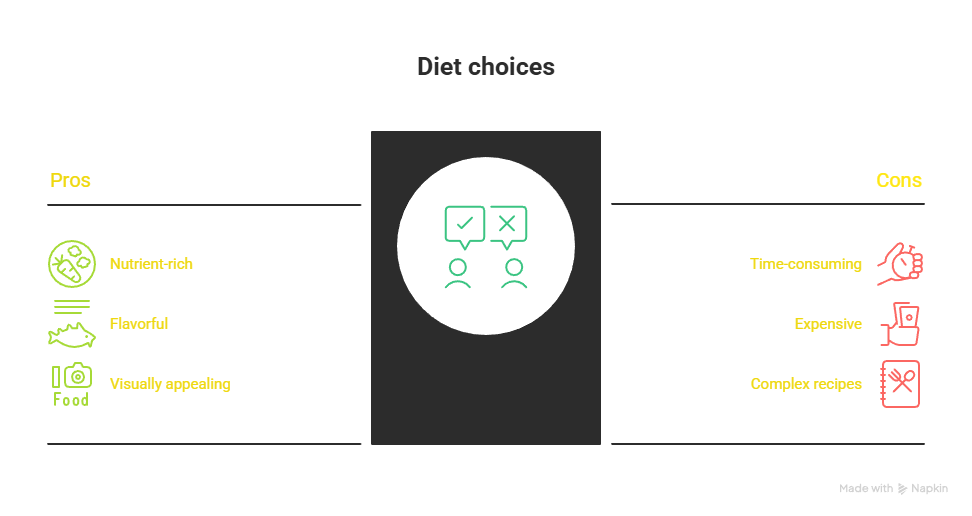
The difference between restrictive dieting and heartumental cooking: nutrition doesn’t have to be boring
Why Heartumental is More Than Just a Buzzword
You’ve probably seen “Heartumental” popping up across food blogs and wellness sites recently. But here’s the problem: most of these sources offer vague definitions or conflate it with existing dietary patterns. Some treat it as a rebranding of the Mediterranean diet, while others use it as clickbait without understanding the core principle.
The truth is more nuanced. Research from the American Heart Association consistently shows that foods rich in omega-3 fatty acids, fiber, and antioxidants reduce cardiovascular disease risk. Separately, studies published in journals like Nutritional Neuroscience demonstrate that certain foods—particularly those associated with positive memories—trigger serotonin and dopamine production, improving mood and reducing stress.
Heartumental cooking is where these two bodies of research intersect. It’s not just about eating salmon because it’s “good for you”—it’s about preparing that salmon in a way that reminds you of your grandmother’s kitchen or a cherished vacation. Why is a recipe important heartumental? Because the recipe itself is the bridge between nutrition science and emotional wellness.
Unlike trendy elimination diets that demonize entire food groups, Heartumental cooking acknowledges our relationship with food is complex. We don’t just eat nutrients; we eat memories, culture, and comfort. The goal isn’t perfection—it’s harmony.
5 Essential Recipes Heartumental
Let me share five foundational recipes that embody this philosophy. Each one targets specific health markers while incorporating elements of sensory comfort.
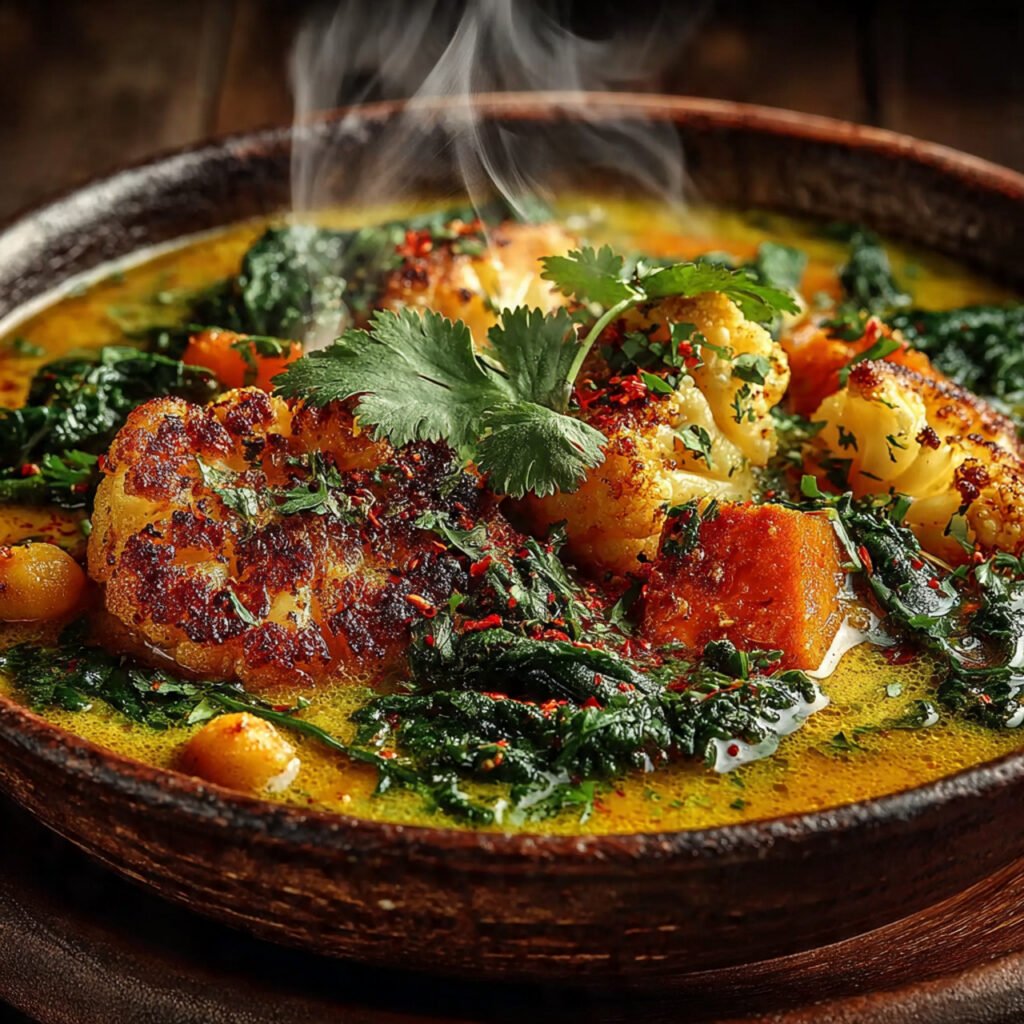
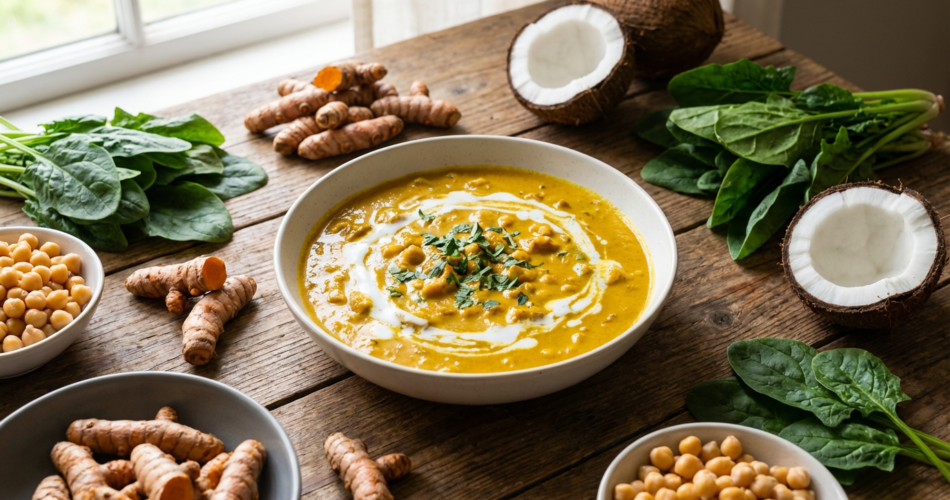
The Cognitive Curry: turmeric and coconut milk create the perfect heart-healthy comfort dish
1. The “Cognitive” Curry
This dish combines turmeric’s powerful anti-inflammatory properties with the creamy, warming comfort of coconut milk.
Ingredients:
- 2 tablespoons coconut oil
- 1 large onion, diced
- 3 cloves garlic, minced
- 2 tablespoons fresh turmeric root, grated (or 1 tbsp powder)
- 1 can full-fat coconut milk
- 2 cups mixed vegetables (sweet potato, cauliflower, spinach)
- 1 cup chickpeas
- 2 teaspoons garam masala
- Salt and black pepper to taste
- Fresh cilantro for garnish
Instructions:
- Heat coconut oil in a large pot over medium heat
- Sauté onion until translucent, add garlic and turmeric, cook 2 minutes
- Add vegetables and chickpeas, stir to coat with spices
- Pour in coconut milk, bring to simmer
- Cook 20 minutes until vegetables are tender
- Season with garam masala, salt, and pepper
- Garnish with fresh cilantro and serve over brown rice
Why it works: Turmeric contains curcumin, which reduces arterial inflammation, while the rich, aromatic curry evokes the comfort of home-cooked meals. The coconut milk provides healthy fats that enhance nutrient absorption.
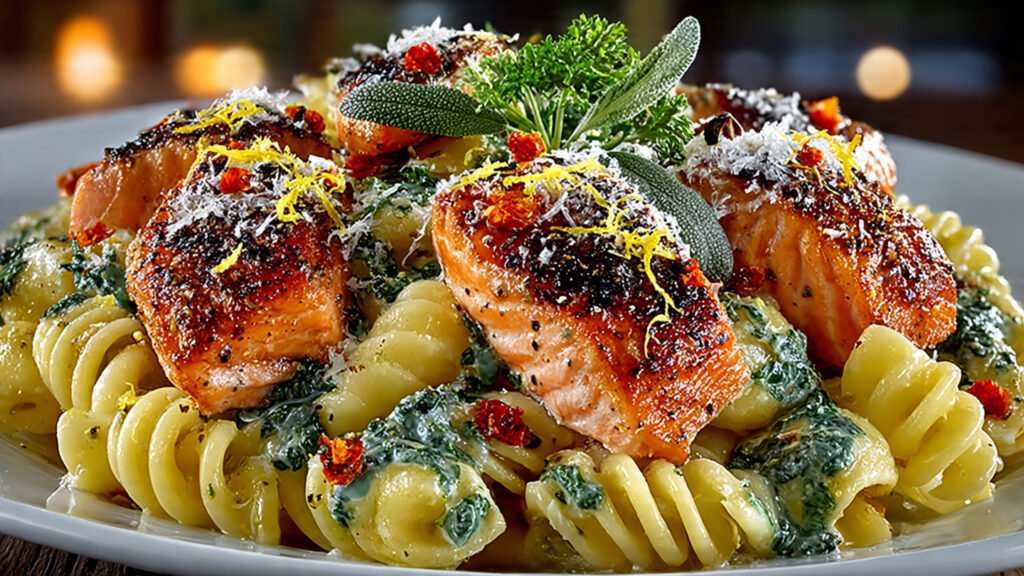
Omega-3 Nostalgia Pasta brings together brain-boosting salmon and the comfort of Italian tradition
2. Omega-3 Nostalgia Pasta
Whole grain noodles meet wild salmon in this dish that marries brain health with the timeless comfort of pasta.
Ingredients:
- 12 oz whole grain pasta (rigatoni or penne)
- 1 lb wild salmon, skin removed, cut into chunks
- 4 tablespoons butter
- 6 fresh sage leaves
- 2 cloves garlic, sliced thin
- Zest of 1 lemon
- ½ cup pasta water
- Parmesan cheese for serving
- Crushed red pepper (optional)
Instructions:
- Cook pasta according to package directions, reserve ½ cup pasta water
- In a large skillet, melt butter over medium heat
- Add sage leaves, fry until crispy (2 minutes), remove and set aside
- Add garlic to butter, cook 1 minute
- Add salmon chunks, cook 3-4 minutes until just done
- Toss in cooked pasta, lemon zest, and pasta water
- Top with crispy sage and parmesan
Why it works: Wild salmon provides omega-3 fatty acids that support both heart and brain health. Sage has been used in traditional medicine for memory enhancement, while butter and pasta deliver the nostalgic comfort we associate with Italian family dinners.
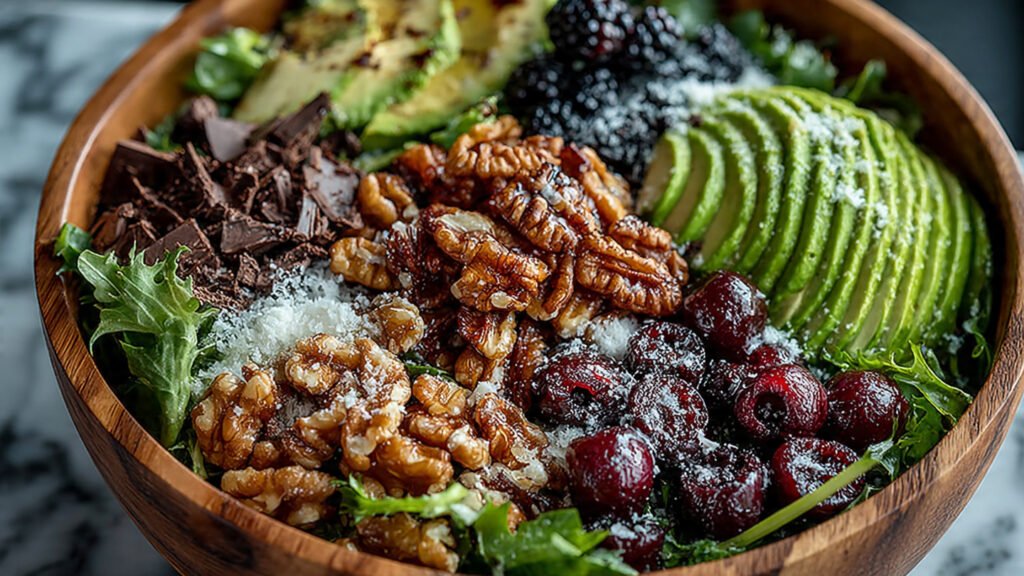
The Serotonin Salad combines mood-boosting ingredients like dark chocolate, walnuts, and spinach
3. The Serotonin Salad
This isn’t your typical boring salad—it’s a carefully constructed blend of mood-boosting ingredients.
Ingredients:
- 4 cups baby spinach
- 1 cup arugula
- ½ cup walnuts, toasted
- ½ cup dark chocolate shavings (70% cacao or higher)
- ¼ cup dried cherries
- 1 ripe avocado, sliced
- 2 tablespoons extra virgin olive oil
- 1 tablespoon balsamic vinegar
- 1 teaspoon honey
- Salt and pepper
Instructions:
- Combine spinach and arugula in a large bowl
- Toast walnuts in a dry skillet for 3-4 minutes
- Add walnuts, chocolate shavings, cherries, and avocado to greens
- Whisk together olive oil, balsamic vinegar, honey, salt, and pepper
- Drizzle dressing over salad just before serving
Why it works: Spinach contains folate, which supports serotonin production. Walnuts provide omega-3s and vitamin E for cognitive function. Dark chocolate releases endorphins while offering flavonoids that improve blood flow. The combination of bitter, sweet, and rich flavors creates a satisfying eating experience.
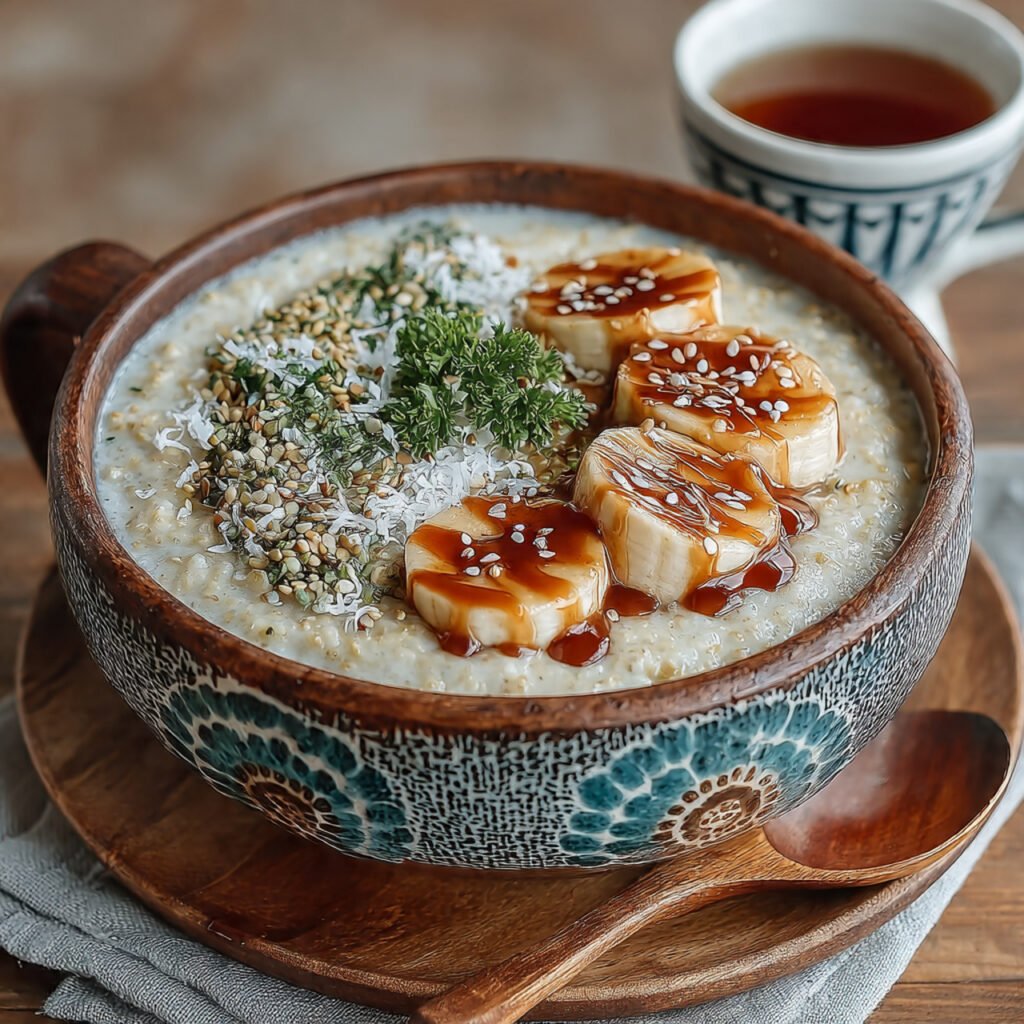
Golden Milk Steel-Cut Oats provide anti-inflammatory benefits in a warm, comforting breakfast
4. Golden Milk Steel-Cut Oats
Start your morning with this warming bowl that supports heart health and mental clarity.
Ingredients:
- 1 cup steel-cut oats
- 3 cups unsweetened almond milk
- 1 teaspoon turmeric powder
- ½ teaspoon cinnamon
- ¼ teaspoon ginger powder
- Pinch of black pepper
- 2 tablespoons maple syrup
- Toppings: sliced banana, almond butter, hemp seeds
Instructions:
- Combine oats, almond milk, and spices in a pot
- Bring to boil, then reduce to simmer
- Cook 25-30 minutes, stirring occasionally
- Stir in maple syrup
- Top with banana, almond butter, and hemp seeds
Why it works: The combination of turmeric and black pepper enhances curcumin absorption. Steel-cut oats provide soluble fiber that lowers cholesterol, while the warming spices and creamy texture evoke the comfort of traditional porridge.
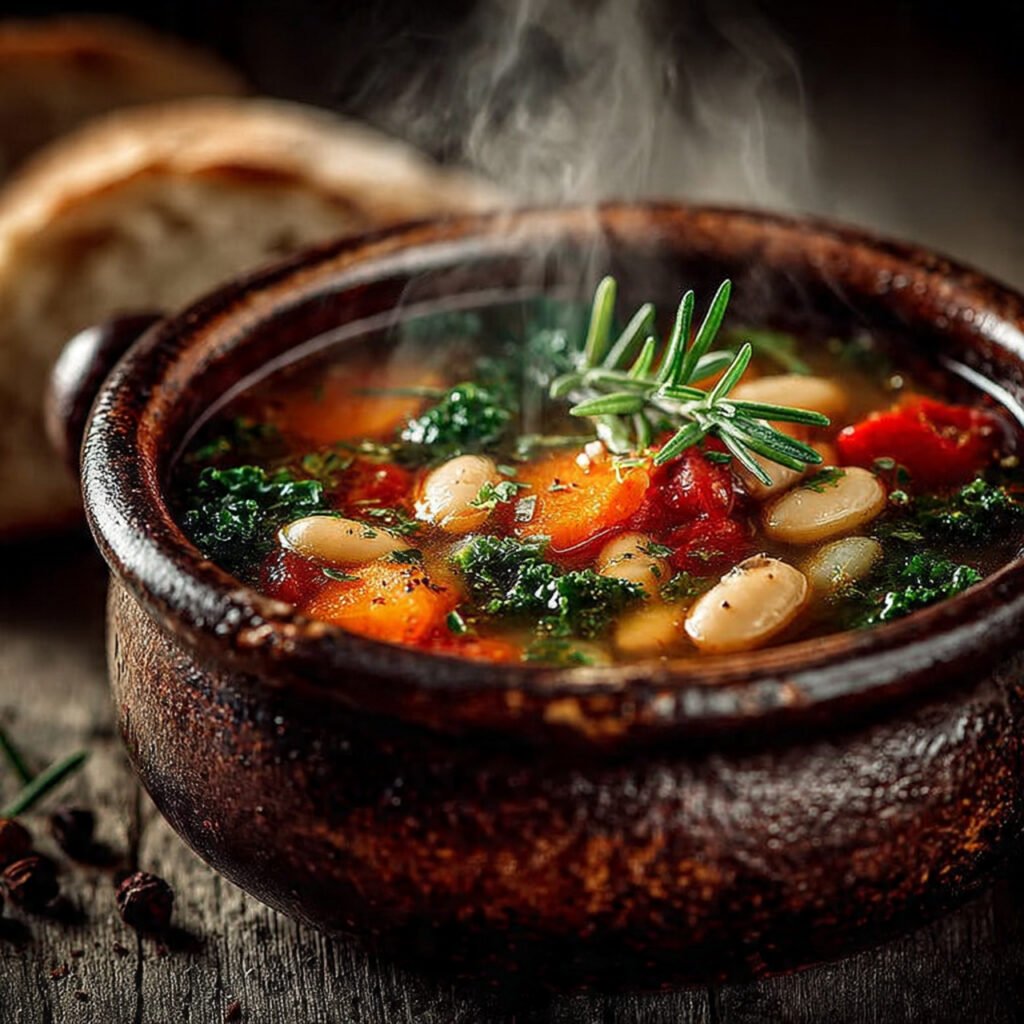
Rosemary White Bean Soup offers heart-healthy fiber and the soul-warming comfort of homemade soup
5. Rosemary White Bean Soup
A humble yet deeply satisfying soup that nourishes body and soul.
Ingredients:
- 2 tablespoons olive oil
- 1 onion, chopped
- 3 carrots, diced
- 3 celery stalks, diced
- 4 cloves garlic, minced
- 2 cans white beans (cannellini), drained
- 6 cups low-sodium vegetable broth
- 3 sprigs fresh rosemary
- 2 bay leaves
- 2 cups kale, chopped
- Juice of ½ lemon
- Salt and pepper
Instructions:
- Heat olive oil in large pot, sauté onion, carrots, and celery for 5 minutes
- Add garlic, cook 1 minute
- Add beans, broth, rosemary, and bay leaves
- Simmer 25 minutes
- Remove rosemary sprigs and bay leaves
- Add kale, cook until wilted
- Finish with lemon juice, season to taste
Why it works: White beans are packed with fiber and plant-based protein that stabilize blood sugar. Rosemary contains compounds that support memory and concentration, while the soul-warming nature of soup provides psychological comfort.
Frequently Asked Questions about Recipes Heartumental
Is Heartumental the same as the Mediterranean diet?
Not exactly, though there’s significant overlap. The Mediterranean diet focuses on regional ingredients from countries bordering the Mediterranean Sea—olive oil, fish, whole grains, and fresh produce. Heartumental cooking adopts similar nutritional principles but adds a critical dimension: intentional emotional design.
A Heartumental recipe might use similar ingredients to Mediterranean cuisine but specifically incorporates flavors, textures, or presentations that trigger positive psychological responses. For example, both approaches would approve of baked salmon, but a Heartumental version would be prepared in the way that reminds you of comfort—perhaps how a loved one used to make it.
Can comfort food actually be healthy?
Absolutely, and this is the foundation of Heartumental cooking. The misconception is that comfort food must mean fried chicken, mac and cheese, or ice cream. In reality, “comfort” is deeply personal and culturally specific.
For some, comfort might be a warm bowl of miso soup. For others, it’s braised short ribs. The key is identifying which flavors and textures provide you with emotional satisfaction, then reconstructing those experiences using heart-healthy ingredients and cooking methods. You can achieve the creamy richness you crave using cashew cream instead of heavy cream, or the satisfying crunch through oven-roasting rather than deep-frying.
How do I start a Heartumental pantry?
Building a Heartumental pantry means stocking ingredients that serve double duty—nutritional powerhouses that also enable comforting, flavorful cooking.
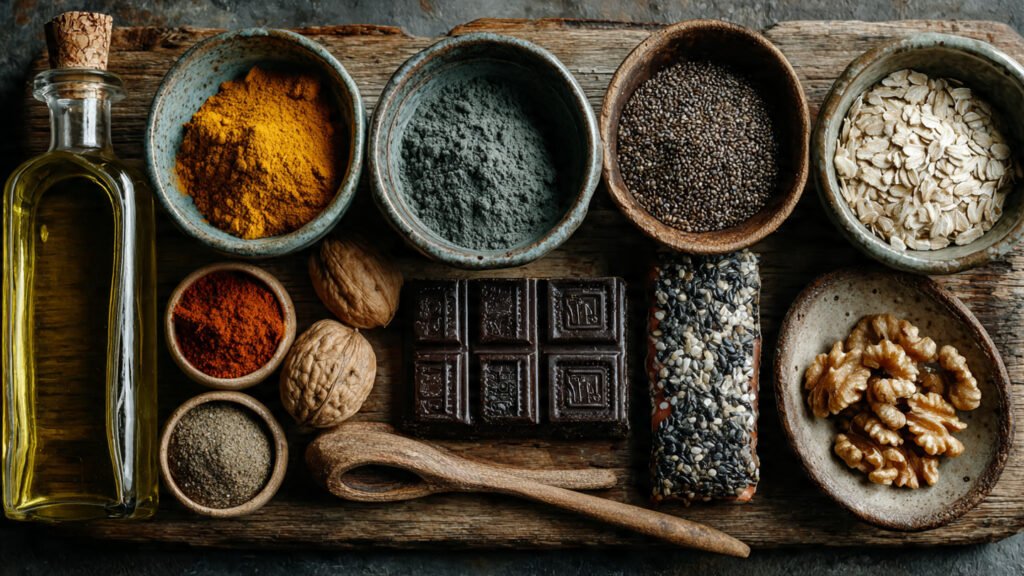
Essential heartumental pantry ingredients that support both cardiovascular health and comfort
Essential items include:
- Healthy fats: Extra virgin olive oil, avocado oil, coconut oil, nuts, seeds
- Anti-inflammatory spices: Turmeric, ginger, cinnamon, garlic, rosemary
- Whole grains: Steel-cut oats, quinoa, farro, whole grain pasta
- Legumes: Lentils, chickpeas, black beans, white beans
- Omega-3 sources: Canned wild salmon, sardines, walnuts, chia seeds, flaxseed
- Quality proteins: Pastured eggs, organic chicken, grass-fed beef (in moderation)
- Flavor enhancers: Good quality sea salt, aged balsamic vinegar, miso paste, tahini
- Dark chocolate: 70% cacao or higher for desserts and treats
What’s the science behind the “Mental” component?
The connection between food and mood is well-established in nutritional psychiatry. Certain nutrients directly impact neurotransmitter production:
- Omega-3 fatty acids support brain structure and reduce depression risk
- B vitamins (especially folate and B12) help produce serotonin and dopamine
- Magnesium regulates stress responses
- Tryptophan (found in turkey, eggs, cheese) is a serotonin precursor
Beyond biochemistry, there’s the psychology of eating. Foods associated with positive memories, cultural identity, or social connection trigger reward pathways in the brain. This is why your grandmother’s chicken soup genuinely makes you feel better—it’s not just placebo.
Can I adapt my family recipes to be Heartumental?
This is perhaps the most exciting application! Take any beloved family recipe and analyze it through the Heartumental lens:
- Identify the comfort elements: What makes this dish emotionally satisfying? The creamy texture? The aromatic spices? The crispy exterior?
- Preserve those elements: These are non-negotiable—they’re what makes the dish “work” psychologically
- Upgrade the nutrition: Find heart-healthy swaps for inflammatory ingredients while maintaining the dish’s soul
For example, if grandma’s beef stew is your comfort food, you could reduce the beef portion (using grass-fed), add more vegetables and beans, use low-sodium broth, and incorporate anti-inflammatory herbs like rosemary and thyme. The essence remains—the rich, slow-cooked flavors, the tender meat, the warming broth—but the nutritional profile improves dramatically.
Building Your Heartumental Practice

Heartumental cooking brings together nutrition science and the emotional joy of sharing meals
Starting a Heartumental cooking practice doesn’t require overhauling your entire kitchen or abandoning foods you love. Begin with these actionable steps:
Week 1: Choose one comfort food you regularly eat and research one heart-healthy modification you can make without sacrificing the qualities you love.
2: Stock five Heartumental pantry staples and use them to prepare one new recipe.
Week 3: Identify three positive food memories from your childhood or past. What were the key flavors, aromas, or textures? Can you recreate elements of these in a nutritious way?
Week 4: Prepare one completely new Heartumental recipe that you’ve never tried before.
Remember, this isn’t about perfection or rigid rules. Some days you’ll eat purely for nutrition, other days purely for comfort, and ideally, most days you’ll find that satisfying middle ground where both needs are met.
Ready to dive deeper? Explore our companion guides on building a Heartumental pantry, understanding the psychology of comfort eating, and seasonal Heartumental meal planning. The journey to eating that truly nourishes both heart and mind starts with a single, delicious bite.
FAQ
1. What does heartumental mean in cooking?
Heartumental cooking combines heart-healthy nutrition with mentally comforting food experiences. It focuses on recipes that use anti-inflammatory ingredients like omega-3s, whole grains, and antioxidants while incorporating nostalgic flavors and textures that provide emotional satisfaction. Unlike restrictive diets, heartumental recipes bridge the gap between cardiovascular health and psychological comfort.
2. How is heartumental different from the Mediterranean diet?
While both emphasize heart-healthy ingredients like olive oil, fish, and whole grains, heartumental cooking adds an intentional emotional design element. It specifically incorporates flavors, aromas, and presentations that trigger positive memories and psychological comfort. For example, both would include salmon, but a heartumental recipe prepares it in a way that evokes nostalgic comfort, such as how a loved one used to make it.
3. What are the best ingredients for a heartumental pantry?
Essential heartumental pantry items include healthy fats (olive oil, avocado oil, nuts), anti-inflammatory spices (turmeric, ginger, cinnamon, rosemary), whole grains (steel-cut oats, quinoa, whole grain pasta), omega-3 sources (wild salmon, walnuts, chia seeds), legumes (chickpeas, lentils, white beans), and dark chocolate (70% cacao or higher). These ingredients support both cardiovascular health and emotional well-being.
4. Can comfort food really be healthy with heartumental cooking?
Yes, heartumental cooking proves that comfort food can be healthy by identifying the emotional elements that make food comforting—such as creamy textures, aromatic spices, or nostalgic flavors—and recreating them using heart-healthy ingredients. For instance, you can achieve creamy richness with cashew cream instead of heavy cream, or satisfy cravings for crunch through oven-roasting rather than deep-frying, maintaining comfort while improving nutrition.
5. What is a simple heartumental recipe for beginners?
The Golden Milk Steel-Cut Oats is an ideal beginner heartumental recipe. It combines steel-cut oats (soluble fiber for heart health) with turmeric, cinnamon, and ginger (anti-inflammatory spices) in almond milk, creating a warming, comforting breakfast. Top with banana, almond butter, and hemp seeds for added nutrition. This recipe takes 30 minutes and provides both cardiovascular benefits and the nostalgic comfort of traditional porridge.