When you think of brûlée, your mind probably wanders to the classic French dessert with its silky vanilla custard and satisfying crack of caramelized sugar. But what if I told you there’s a spectacular savory version that’s taking the culinary world by storm? Enter the Crab Brûlée Recipe—an elegant appetizer that transforms humble crab meat into a restaurant-quality dish that’ll have your guests asking for seconds.
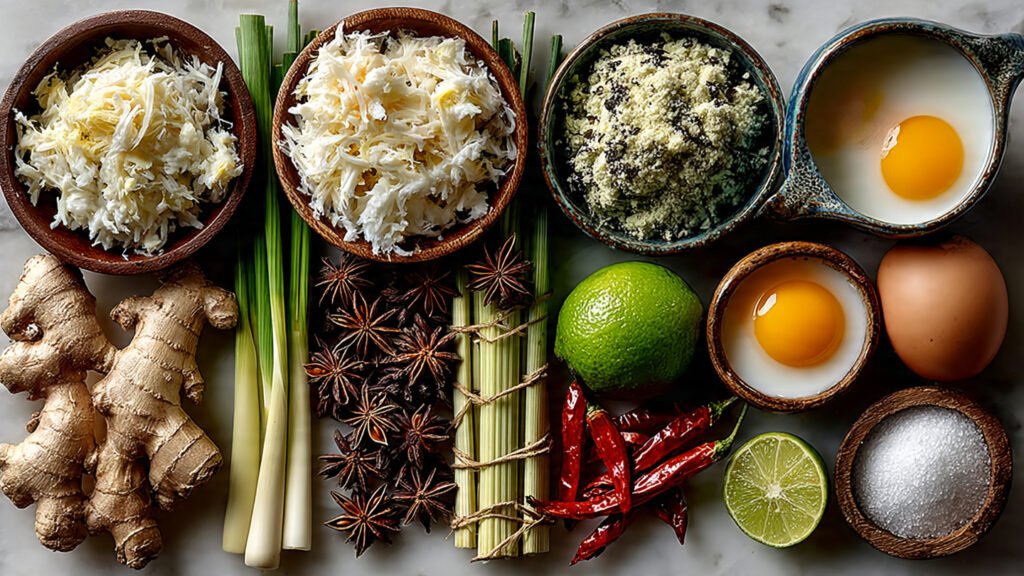
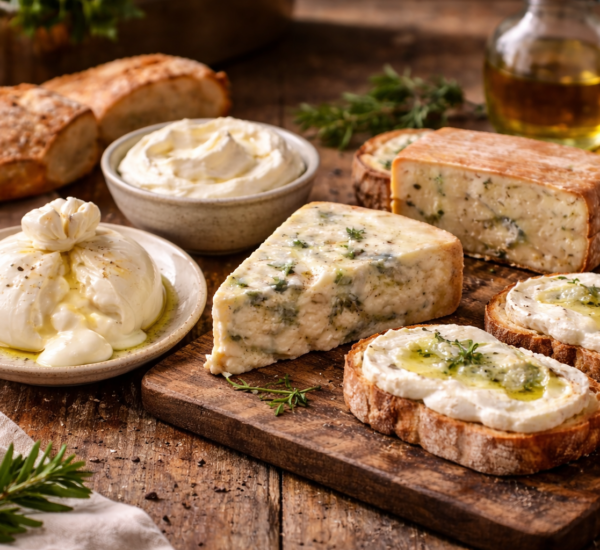
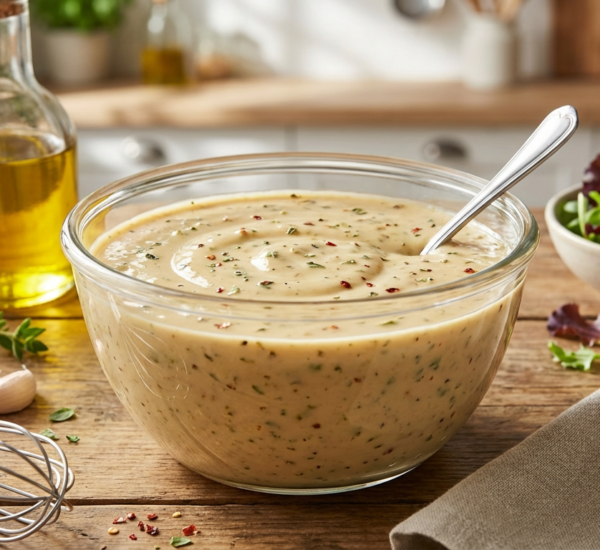
Complete Ingredients Layout
What is Crab Brûlée?
Crab Brûlée is a sophisticated savory appetizer consisting of a rich crab-infused custard topped with a caramelized sugar crust. Unlike the traditional dessert, this crab creme brulee recipe uses aromatic spices like ginger, chili, and lemongrass to create a perfect balance of sweet, spicy, and umami flavors. The result is a luxurious dish that pairs delicate seafood with a perfectly torched, glass-like sugar topping.
Sweet vs. Savory Brûlée: Key Differences
Understanding the fundamental differences between traditional and savory brûlée will help you appreciate this unique recipe. Here’s a comprehensive comparison:
| Ingredient | Classic Dessert Brûlée | Crab Brûlée |
|---|---|---|
| Base Liquid | Heavy cream and whole milk | Coconut milk and cream |
| Sweetener | High sugar content (¾ cup) | Low sugar (2-3 tablespoons) |
| Aromatics | Vanilla bean and extract | Chili, garlic, ginger, lemongrass |
| Protein Addition | None | Fresh lump crab meat (8 oz) |
| Serving Temperature | Chilled or room temperature | Warm custard with hot crust |
The Science of the Perfect Crust
Mastering how to torch crab brulee requires understanding the chemistry behind that perfect caramelized topping. Here’s what separates amateur attempts from professional results:
Pro Tip: For savory dishes like crab brûlée, turbinado sugar (raw sugar) works better than white granulated sugar. The larger crystals create a more dramatic crack and the subtle molasses notes complement the seafood without overpowering it.
The magic happens through the Maillard reaction—a chemical process between amino acids and reducing sugars that creates complex flavors and that gorgeous golden-brown color. When torching your crab brûlée:
- Torch distance matters: Hold your kitchen torch 4-6 inches away from the surface. Too close, and you’ll burn the sugar before it melts; too far, and it won’t caramelize properly.
- Constant motion: Move the torch in circular patterns to ensure even caramelization and avoid burnt spots.
- Sugar thickness: Apply a thin, even layer of sugar (about 1-2 teaspoons per ramekin). Too much sugar creates a thick, tooth-breaking crust.
- Wait time: Let the caramelized top set for 1-2 minutes before serving to achieve that signature crack.
Ingredients
For the Custard:
- 8 oz (225g) fresh lump crab meat, picked over for shells
- 1 cup (240ml) coconut milk
- ½ cup (120ml) heavy cream
- 4 large egg yolks
- 2 tablespoons (25g) granulated sugar
- 1 teaspoon fresh ginger, finely grated
- 1 small red chili, finely minced (seeds removed for less heat)
- 2 cloves garlic, minced
- 1 stalk lemongrass, tender part only, finely chopped
- ½ teaspoon salt
- ¼ teaspoon white pepper
- Zest of 1 lime
For the Topping:
- 4 tablespoons (50g) turbinado sugar or granulated sugar
- Fresh chives or microgreens for garnish
Quality Matters: Using fresh, high-quality crab is essential for this recipe. Learn how to select the freshest crab meat with this comprehensive guide from the FDA’s Seafood Safety Guidelines. Key indicators include a sweet ocean smell (never fishy), firm texture, and proper refrigeration at or below 40°F.
Step-by-Step Instructions
- Preheat your oven to 325°F (165°C). Place four 6-ounce ramekins in a deep baking dish.
- Prepare the aromatic base by heating coconut milk and cream in a saucepan over medium heat. Add ginger, chili, garlic, and lemongrass. Simmer for 3-4 minutes to infuse the flavors, then remove from heat and let steep for 10 minutes.
- Strain the infused liquid through a fine-mesh sieve to remove solids. Press on the aromatics to extract maximum flavor.
- Whisk the egg yolks and sugar together in a bowl until pale and slightly thickened (about 2 minutes).
- Temper the eggs by slowly pouring the warm infused cream mixture into the yolks while whisking constantly. This prevents the eggs from scrambling.
- Fold in the crab meat gently, along with lime zest, salt, and white pepper. Be careful not to break up the delicate crab lumps.
-
Divide the mixture evenly among the ramekins.
- Create a water bath by pouring hot water into the baking dish until it reaches halfway up the sides of the ramekins. This ensures gentle, even cooking.
- Bake for 30-35 minutes until the custards are set at the edges but still slightly jiggly in the center.
- Remove from the water bath and let cool for 10 minutes. You can serve immediately or refrigerate for up to 24 hours.
- Sprinkle a thin, even layer of turbinado sugar over each custard just before serving.
- Torch the sugar using a kitchen blowtorch, moving in circular motions until golden brown and caramelized. If you don’t have a torch, place under a preheated broiler for 1-2 minutes, watching carefully.
- Garnish with fresh chives or microgreens and serve immediately while the crust is still crackling.
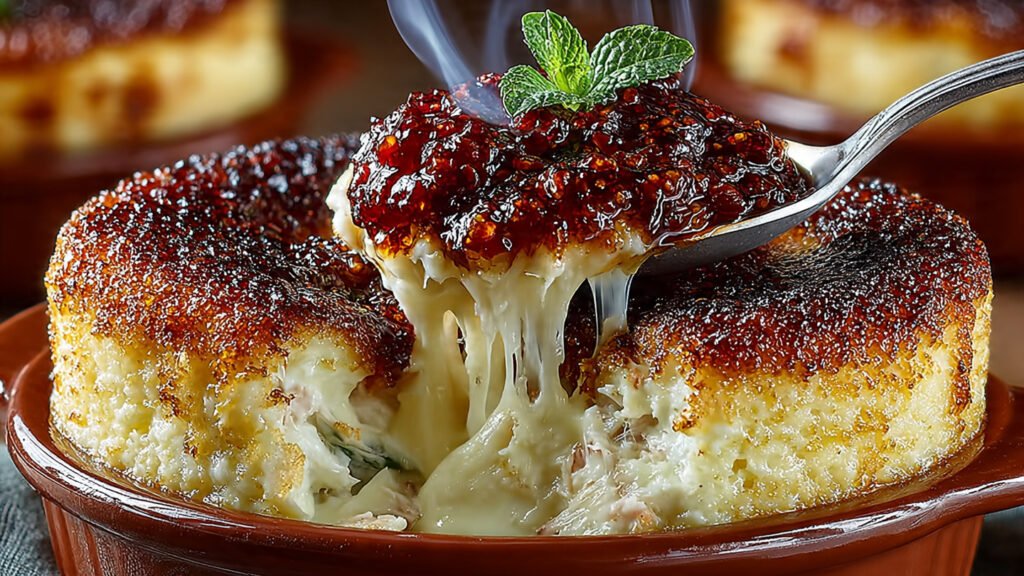
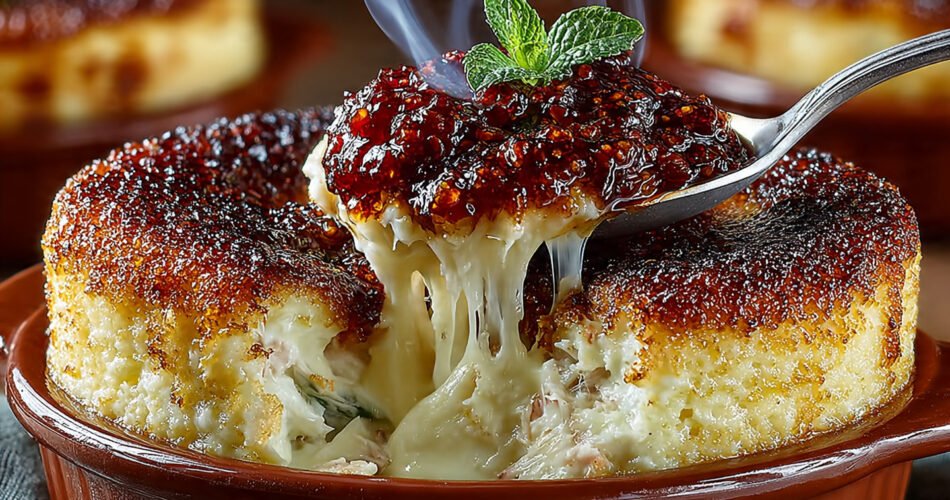
The Perfect Texture Shot
Chef’s Secret: The key to a restaurant-quality crab brûlée is using the freshest lump crab meat you can find. Avoid imitation crab or canned varieties—they’ll make your dish watery and lack that sweet, delicate flavor.
Troubleshooting Your Crab Brûlée
A: Watery crab meat is the usual culprit. Crab releases moisture during baking, so it’s crucial to pat the crab meat thoroughly dry with paper towels before folding it into your custard. If you’re using frozen crab, thaw it completely and squeeze out excess liquid. Another cause could be underbaking—make sure the edges are fully set even if the center still has a slight wobble.
A: Absolutely! The broiler method works well as an alternative. Preheat your broiler on high and position the rack about 4 inches from the heat source. Place your sugared ramekins on a baking sheet and broil for 1-2 minutes, rotating halfway through. Watch them like a hawk—sugar can go from perfectly caramelized to burnt in seconds. The blowtorch gives you more control, but the broiler delivers similar results.
A: This is all about crab quality. Fresh lump crab meat should smell sweet and oceanic, never fishy or ammonia-like. Old crab meat oxidizes and develops off-flavors that no amount of aromatics can mask. Always buy from reputable seafood counters, check the sell-by date, and use within 1-2 days of purchase. Pasteurized crab meat in containers is a good middle-ground option—it’s already cooked and has a longer shelf life while maintaining quality.
Expert Resource: For detailed information on seafood freshness and safe handling practices, consult the Seafood Health Facts database, a collaboration between Cornell University, the University of Delaware, and the University of Rhode Island.
A: Yes! The beauty of this recipe is its make-ahead potential. Bake the custards up to 24 hours in advance, let them cool completely, then cover and refrigerate. When ready to serve, bring them to room temperature for about 15 minutes, add the sugar, and torch. The contrast between the warm crust and cool custard is actually quite delightful.
A: First, ensure your sugar layer is paper-thin and uniform—clumps won’t melt properly. Second, the custard surface must be completely dry; pat it gently with a paper towel before sugaring if needed. Third, invest in a proper kitchen torch with adjustable flame control. Those tiny crème brûlée torches sold as gadgets often lack the heat output for proper caramelization.
Serving Suggestions & Variations
This crab creme brulee recipe shines as an elegant appetizer for dinner parties, but you can take it in several creative directions:
- Asian Fusion: Add a dash of fish sauce to the custard and garnish with crispy shallots and cilantro.
- Mediterranean Style: Replace coconut milk with regular cream, add saffron threads, and top with crispy prosciutto.
- Spicy Version: Increase the chili and add a teaspoon of Sriracha to the custard base for heat lovers.
- Lobster Alternative: Swap crab for lobster meat following the same proportions for an even more luxurious dish.
What to Serve with Crab Brûlée
Elevate your crab brûlée experience with thoughtful pairings that complement rather than compete with this delicate dish:
Wine Pairings
- Dry Riesling (Top Choice): The crisp acidity cuts through the richness of the custard while its subtle mineral notes enhance the sweetness of the crab. Look for German Kabinett or Alsatian varieties.
- Unoaked Chardonnay: A clean, citrus-forward Chardonnay from Chablis provides bright acidity without overwhelming oak flavors that would clash with the delicate seafood.
- Champagne or Sparkling Wine: The effervescence acts as a palate cleanser between bites, and the yeasty notes complement the caramelized crust beautifully.
- Albariño: This Spanish white wine offers stone fruit flavors and salinity that mirror the oceanic sweetness of fresh crab.
Accompaniments & Sides
- Toasted Sourdough Points: Thin, crispy slices provide textural contrast and act as edible spoons for scooping the custard.
- Endive Leaves: Their natural boat shape and slight bitterness balance the sweetness of the caramelized top.
- Pickled Vegetables: Quick-pickled carrots, daikon, or cucumber ribbons add acidity and crunch.
- Microgreens Salad: A simple salad of peppery arugula or watercress dressed with lemon vinaigrette cuts through the richness.
- Asian Slaw: Shredded cabbage with rice vinegar and sesame oil echoes the Asian-inspired aromatics in the custard.
Dietary Modifications & Alternative Versions
Keto/Low-Carb Version
Yes, you can enjoy crab brûlée while maintaining ketogenic or low-carb eating! Here’s how to modify the recipe:
Keto-Friendly Topping: Replace the turbinado sugar with erythritol-based granulated sweetener (like Swerve) in a 1:1 ratio. Erythritol caramelizes at a slightly higher temperature than regular sugar, so you’ll need to torch a bit longer. The result? A perfectly crisp, sugar-free crust with zero net carbs.
Additional Keto Modifications:
- Use full-fat coconut milk (already keto-friendly at 5g net carbs per cup)
- Eliminate the 2 tablespoons of sugar from the custard base—the dish is savory enough without it
- Serve with keto crackers or cucumber rounds instead of sourdough
- Net Carbs per Serving: Approximately 4-5g (compared to 12-14g for the traditional version)
Dairy-Free/Paleo Version
- Replace heavy cream entirely with additional coconut milk or coconut cream
- Use coconut sugar for the topping (it caramelizes beautifully)
- Verify your crab meat is truly fresh or frozen, not processed with dairy-containing stabilizers
Budget-Friendly Version
- Use pasteurized lump crab meat instead of fresh (saves $5-8)
- Substitute 50% of crab with chopped cooked shrimp
- Make in one large baking dish instead of individual ramekins—cut into portions after setting
Restaurant vs. Homemade: Cost Breakdown
One of the most satisfying aspects of making crab brûlée at home is the incredible value. Let’s break down the real numbers:
| Item | Restaurant Price | Homemade Cost | Your Savings |
|---|---|---|---|
| Single Serving | $16-22 | $4.50-6.00 | $10-16 per serving |
| Full Recipe (4 servings) | $64-88 | $18-24 | $46-64 total |
| Cost per Person (Dinner Party) | N/A (not available) | $4.50-6.00 | Restaurant-quality at home |
Ingredient Cost Breakdown (Homemade):
- Fresh lump crab meat (8 oz): $10-14
- Coconut milk (1 cup): $1.50
- Heavy cream (½ cup): $1.00
- Eggs (4 yolks): $1.00
- Aromatics (ginger, chili, garlic, lemongrass): $2-3
- Sugar and seasonings: $0.50
- Total: $18-24 for 4 servings ($4.50-6.00 per serving)
Money-Saving Tip: Buy crab meat in season (typically December through April for blue crab, May through October for Dungeness) when prices drop by 30-40%. You can also check your local Asian markets for pasteurized crab at better prices than upscale grocery stores.
The Bottom Line: Making crab brûlée at home saves you approximately 70-75% compared to restaurant pricing, while giving you complete control over ingredient quality. Plus, you’ll impress guests with a dish they’d typically only find in fine dining establishments.
Final Thoughts
Mastering this Crab Brûlée Recipe might seem intimidating at first, but with the right techniques and quality ingredients, you’ll be creating restaurant-worthy appetizers in no time. The combination of silky custard, delicate crab, aromatic spices, and that satisfying caramelized crack makes this dish a showstopper at any gathering.
Remember, the key elements are: fresh crab meat, properly infused aromatics, gentle baking in a water bath, and confident torching. Once you’ve nailed these fundamentals, you’ll find yourself reaching for this recipe whenever you want to impress.
Have you tried making savory brûlées before? What’s your favorite variation? Share your experiences and creative twists in the comments below—I’d love to hear how you’re putting your own spin on this elegant appetizer!
(FAQ)
Q: Is Crab Brûlée a dessert? A: No. While it uses the technique of a traditional crème brûlée, this is a savory appetizer. Instead of vanilla and sugar, the custard base is infused with crab meat, coconut milk, chili, ginger, and lemongrass.
Q: Do I absolutely need a kitchen blowtorch to make this? A: No. While a torch gives you the most control, you can use your oven’s broiler. Preheat the broiler to high, place the rack 4 inches from the heat, and broil for 1–2 minutes. Watch closely to prevent burning.
Q: Can I make these ahead of time for a dinner party? A: Yes. You can bake the custards up to 24 hours in advance. Let them cool, cover, and refrigerate. When ready to serve, let them sit at room temperature for 15 minutes, then add the sugar and torch the crust immediately before eating.
Q: Why did my custard turn out runny or watery? A: The most common reason is moisture from the crab meat. You must thoroughly pat the crab meat dry with paper towels before folding it into the custard. If using frozen crab, ensure it is fully thawed and squeezed of excess liquid.
Q: Is this recipe expensive to make? A: Making it at home is significantly cheaper than ordering it at a restaurant. The estimated cost per serving at home is $4.50–$6.00, whereas a restaurant would charge $16–$22. You save about 70-75% by cooking it yourself.
Q: Can I make a Keto or Low-Carb version? A: Yes. To make it Keto-friendly, use full-fat coconut milk, skip the sugar in the custard base, and use an erythritol-based sweetener (like Swerve) for the caramelized topping. This brings the net carbs down to approximately 4–5g per serving.
Q: Why do you recommend Turbinado sugar over white sugar? A: For savory brûlées, Turbinado (raw) sugar is preferred because it has larger crystals that create a better “crack.” It also adds subtle molasses notes that complement the seafood better than the straightforward sweetness of white granulated sugar.
Q: How do I avoid a “fishy” smell? A: A fishy smell indicates the crab meat is not fresh. High-quality lump crab meat should smell sweet and like the ocean. Always check sell-by dates and use the meat within 1–2 days of purchase.