The Alchemist’s Guide to the Ultimate Seitan Recipe
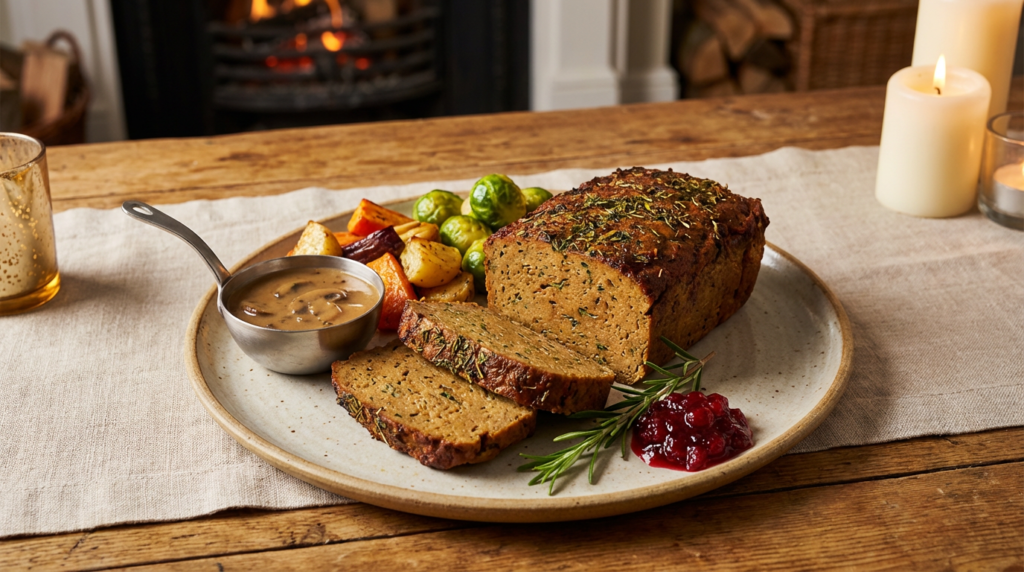
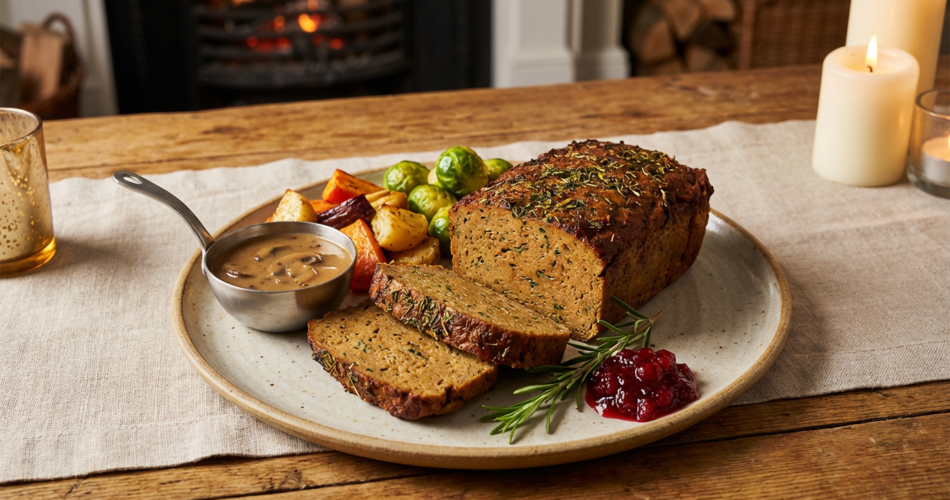
A perfectly sculpted seitan loaf, ready to impress even the most discerning palate.
Commercial meat substitutes often fail. They are rubbery. Bland. Or perhaps they possess a sponge-like quality that feels alien against the palate.
It’s a culinary tragedy.
But there is a solution that lives in your pantry. By harnessing the viscoelastic properties of vital wheat gluten, you can sculpt a savory masterpiece that rivals traditional butcher cuts. This isn’t just cooking; it is protein engineering. Whether you are a lifelong vegan or a curious carnivore, mastering this seitan recipe will fundamentally change how you view plant-based cuisine.
What Exactly is Seitan?
Seitan, frequently dubbed “wheat meat,” is distinct from the soy-heavy worlds of tofu or tempeh. It is pure gluten.
When you rinse the starch away from wheat dough, you are left with an insoluble protein network. This network, when seasoned and cooked with precision, mimics the fibrous texture of muscle tissue in a way that is frankly startling.
Understanding how to make seitan recipe variations allows you to mimic chicken, beef, or even sausages. It is a blank canvas. A savory, high-protein void waiting for your flavor input.
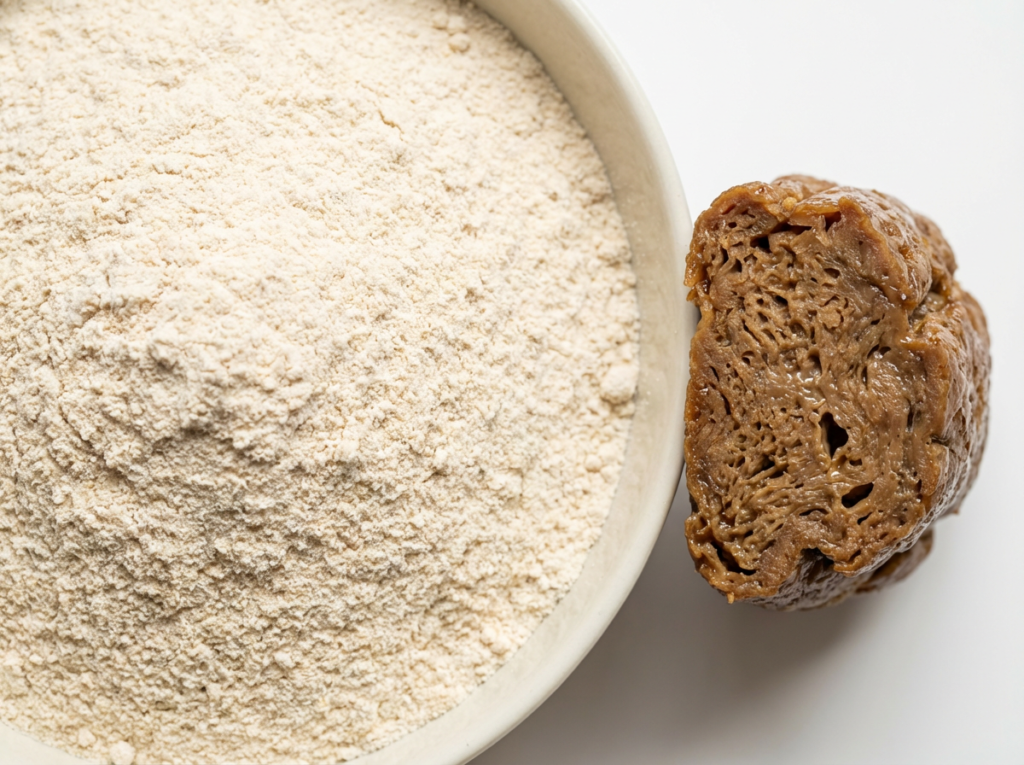
From vital wheat gluten to a surprisingly meaty texture.
The Science of the “Easy” Seitan Recipe
To achieve a texture that creates a satisfying “bite” without turning into a tire, we must balance the gluten.
Pure gluten is tough.
To mitigate this, we cut the gluten with chickpea flour or nutritional yeast. This interrupts the protein strands just enough to yield tenderness. Here is how we construct the perfect loaf.
The Ingredients List
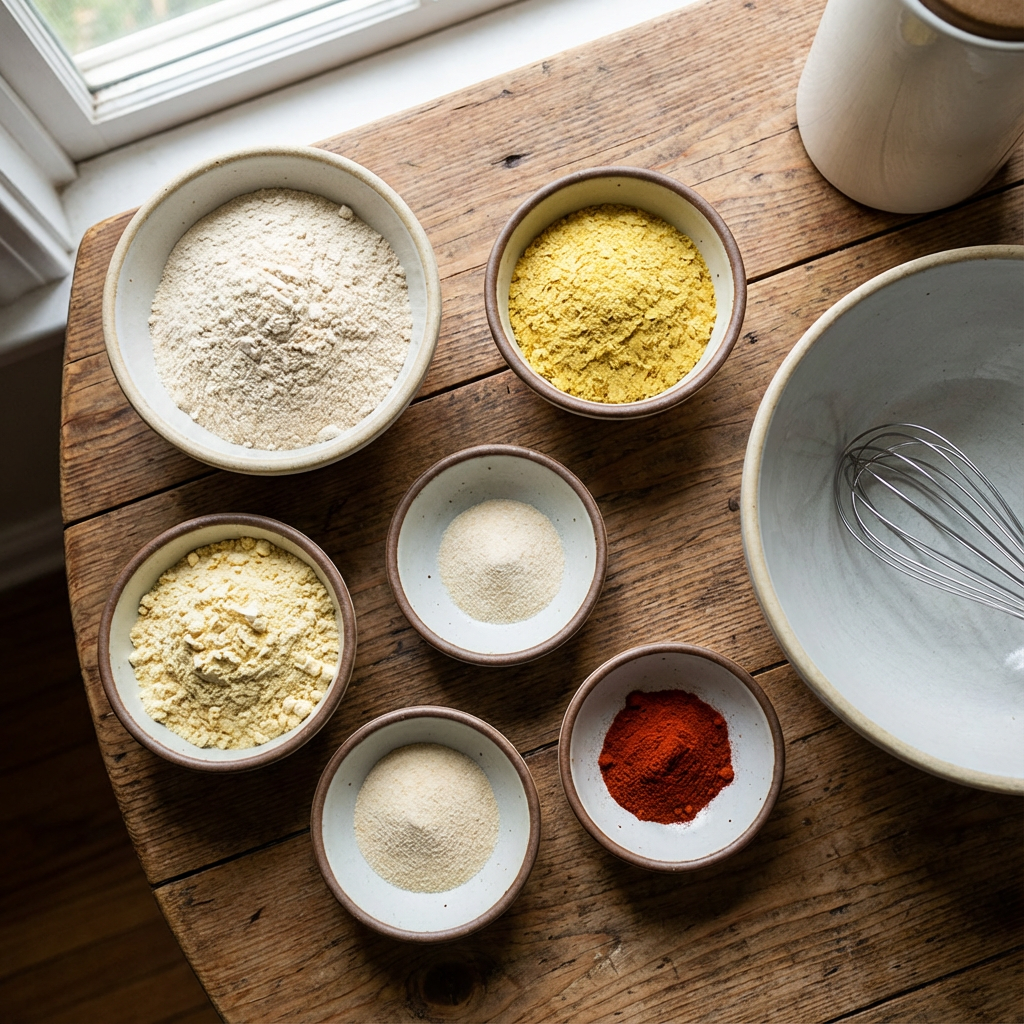
The simple, powerful ingredients that form the base of our artisan seitan.
- Vital Wheat Gluten: The non-negotiable base (1 ½ cups).
- Nutritional Yeast: For umami depth and texture softening (¼ cup).
- Chickpea Flour: The secret weapon for a tender bite (¼ cup).
- Aromatics: Garlic powder, onion powder, and smoked paprika (1 tsp each).
- The Liquid Catalyst: Vegetable broth mixed with soy sauce or liquid aminos (1 ½ cups total).
Step-by-Step Instructions
1. The Dry Convergence
Grab a large mixing bowl. Whisk together the gluten, nutritional yeast, flour, and spices.
Ensure homogeneity. If the spices clump, you will end up with flavor pockets that assault the tongue rather than caress it.
2. The Wet Interaction
Pour the liquid mixture into the dry bowl. Stir instantly.
The gluten is thirsty; it will absorb the hydration aggressively. Within seconds, a shaggy, sponge-like dough will manifest.
3. The Knead (Crucial!)
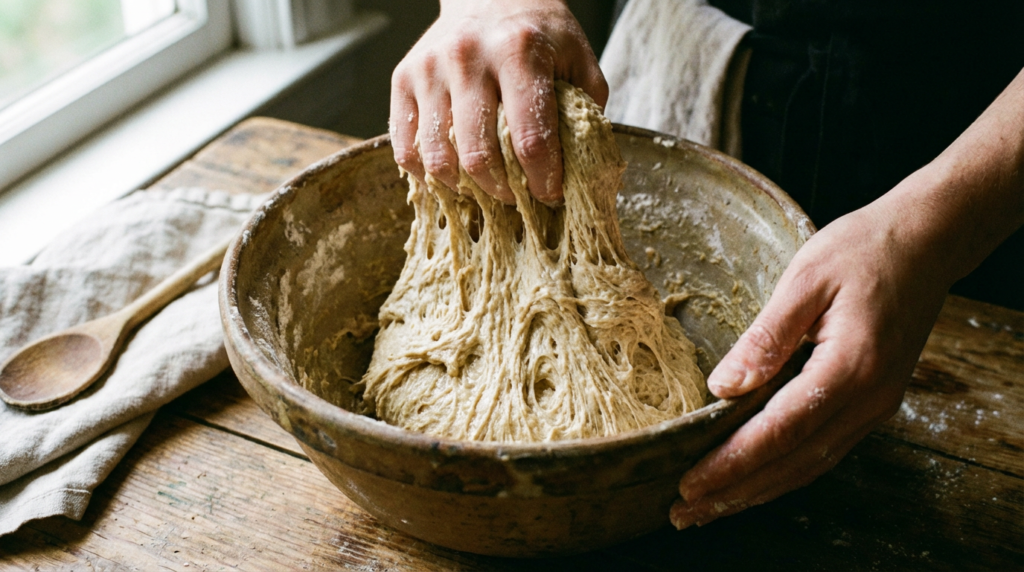
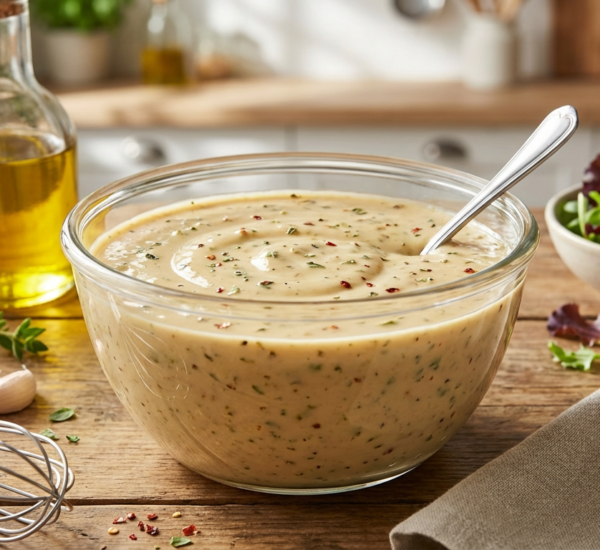
The crucial kneading stage: developing the perfect elasticity for your “wheat meat.
Get your hands in there. Knead the dough for exactly 3 minutes.
If you knead too little, the seitan recipe falls apart. Knead too much, and it becomes indestructible. You want the dough to feel elastic and warm, fighting back slightly against the pressure of your palm.
4. The Simmering Bath
Prepare a pot of rich broth. Bring it to a boil, then—and this is critical—drop it to the lowest possible simmer.
Do not boil your seitan.
Boiling causes the internal water to expand violently, creating a bubbly, brain-like texture. We want dense, meaty fibers. Simmer gently for 45 to 60 minutes.
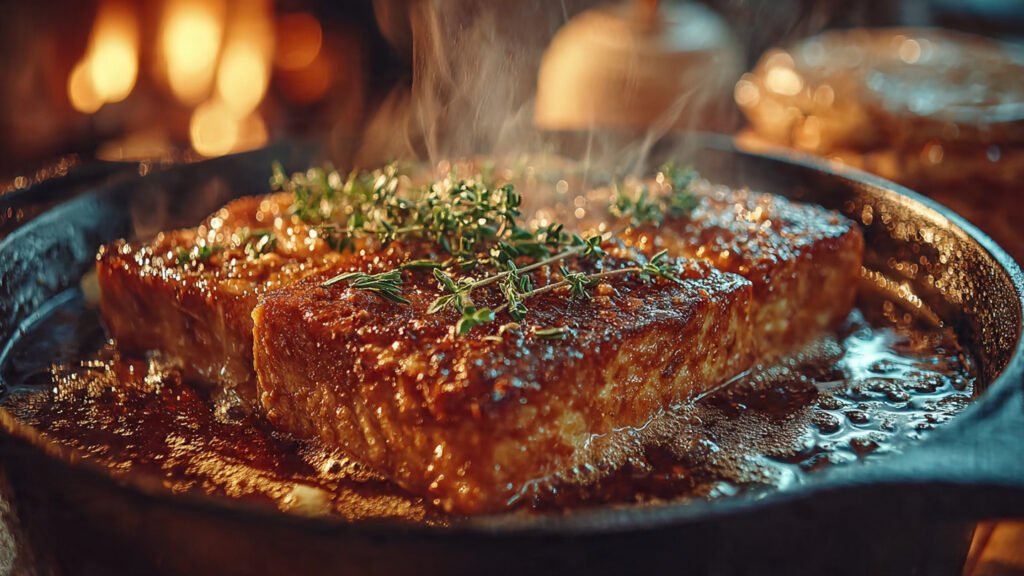
Patiently simmering your seitan in a flavorful broth for the ideal tender-chewy texture.
Nutritional Powerhouse & Serving Strategies
Why choose wheat over the cow? Efficiency.
When we analyze the macronutrient profile, seitan recipe outcomes are staggering. Per calorie, seitan often packs more protein than ground beef. It is lean. It is devoid of saturated fats that clog arteries. However, it is not a complete protein on its own; it lacks lysine. This is why we pair it with legumes or serve it alongside soy sauce. It is nutritional synergy.
The Art of Plating
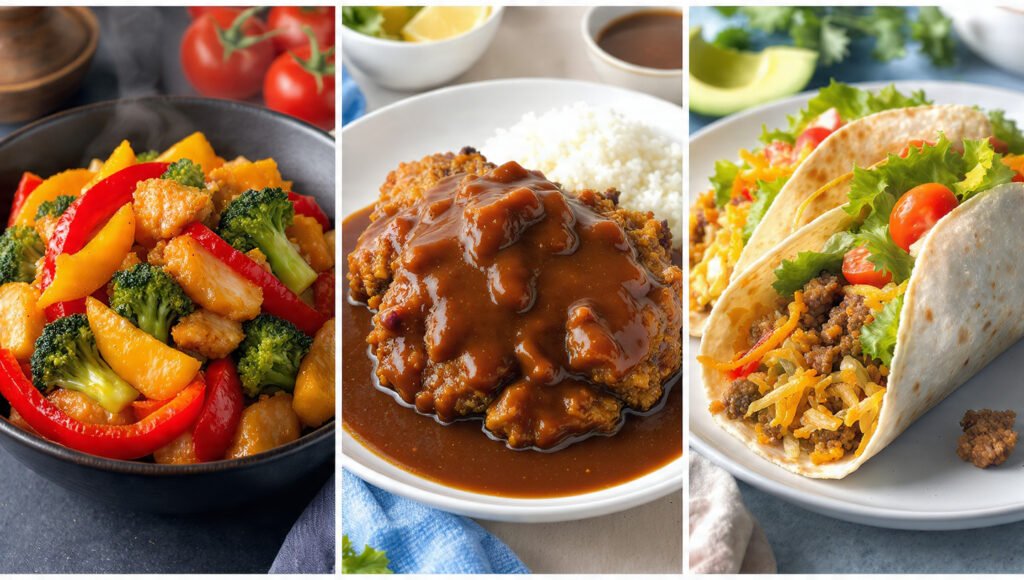
From stir-fry to tacos, seitan’s versatility makes it a plant-based kitchen hero.
You have created the loaf. Now, how do you elevate it?
- The Stir-Fry: Slice the seitan thinly. Sear it in a smoking hot wok until the edges are crispy. Toss with snap peas and broccoli.
- The Comfort Bowl: Serve thick slabs over a steaming bed of jasmine rice. Drizzle generously with a mushroom gravy.
- The Taco Build: Shred the seitan with a fork. Sauté with cumin and pile onto warm corn tortillas with roasted peppers.
Troubleshooting: Why Texture Matters
Many beginners fail because they rush the heat.
Patience is the currency here. If you are looking for an easy seitan recipe, know that “easy” refers to the labor, not the time. The simmer must be barely bubbling. A lazy river of broth.
Once cooked, remove the seitan from the liquid. Let it cool. Ideally, let it rest in the fridge overnight. The texture improves dramatically after a cold rest, firming up into something truly sliceable.
(FAQ)
1. Why did my seitan turn out spongy?
Sponge texture is usually a crime of temperature. You likely boiled the broth rather than simmering it. High heat expands air pockets inside the gluten network.
2. Is this seitan recipe gluten-free?
Absolutely not. Seitan is literally made of gluten. It is the kryptonite for anyone with Celiac disease.
3. Can I freeze the cooked seitan?
Yes! Freezing changes the texture slightly, often making it “meatier.” Wrap it tightly in foil and it will survive in the freezer for up to three months.
Conclusion
You now possess the knowledge to create plant-based meat that is actually worth eating.
Stop settling for expensive, over-processed store brands. Grab a bag of vital wheat gluten and start experimenting. The perfect seitan recipe is waiting for your personal touch.
Ready to cook? Head to the kitchen and start kneading!