There it sits. A solitary, humble vessel gathering dust in the shadowed recesses of your pantry. You stare at the can of hominy; it stares back, an enigma wrapped in tin.
You are not alone in this culinary standoff. Countless home cooks bypass this ingredient, tragically dismissing it as mere “oversized corn,” entirely oblivious to the gastronomic potential locked within.

From spicy stews to cheesy bakes, hominy is the versatile pantry staple you need to try.
If you find yourself paralyzed by meal-planning fatigue, stuck in a rotation of lackluster starches, you are denying yourself a texture that is paradoxically chewy, earthy, and profoundly satisfying. The right hominy recipes do not simply feed you; they jolt your dinner routine from the mundane to the brilliant.
In this comprehensive guide, we are going to dismantle the mystery. We will explore the vibrant, delicious applications of this ancient grain, ensuring that lonely can never languishes in obscurity again.
What is Hominy? (And Why You Need It)
Before we light the stove, we must understand the metamorphosis. Hominy is not born; it is made.
It begins as field corn, tough and unyielding. Through a process known as nixtamalization, the grain is bathed in an alkaline solution—usually lime water—which strips away the stubborn hull and germ. It is ancient chemistry. This bath causes the grain to swell, puffing up to nearly double its original volume.
The result? A kernel that has been fundamentally changed. Whether you utilize the canned variety or the dried version, recipes using hominy offer a structural integrity that rice and potatoes simply cannot match. It offers a “toothsome” bite and possesses a sponge-like ability to drink up sauces.
1. The Titan of Stews: Authentic Mexican Pozole Rojo
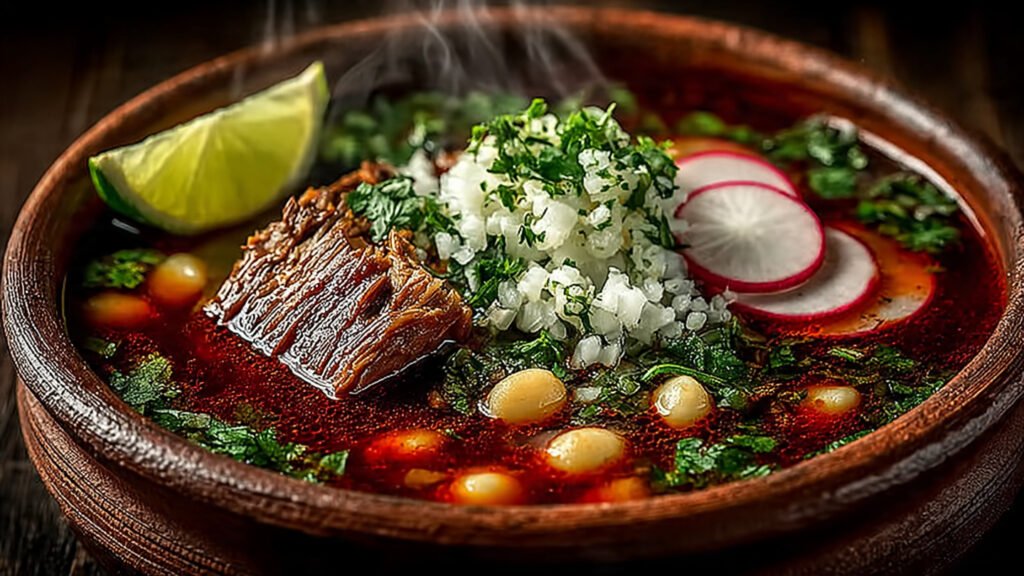
Authentic Pozole Rojo: A rich broth packed with tender pork and bloomed hominy kernels
One cannot discuss hominy recipes without bowing to the king: Pozole. This is not just soup; it is a cultural institution. It is the definitive, iconic application of the grain, a stew that balances heat, fat, and acid in a precarious, delicious harmony.
Ingredients List
-
The Grain: 2 cans (29 oz each) of white hominy, drained and rinsed thoroughly.
-
The Meat: 2 lbs of pork shoulder (butt), cut into 1-inch cubes.
-
The Broth: 6 cups of chicken stock (homemade is best).
-
The Sauce: 4 dried Guajillo chiles and 2 dried Ancho chiles (stems and seeds removed).
-
Aromatics: 1 onion (halved), 1 head of garlic, 1 tbsp dried oregano (Mexican oregano if possible).
Step-by-Step Instructions
Step 1: Prepare the Chile Base Toast the dried chiles in a dry pan for 30 seconds per side until fragrant. Do not burn them. Soak them in hot water for 20 minutes until soft. Blend them with a splash of the soaking liquid, 3 cloves of garlic, and salt until you have a smooth red paste.
Step 2: Sear and Simmer In a large heavy-bottomed pot, sear the pork cubes in batches until browned. Return all meat to the pot. Add the chicken stock, the onion halves, and the rest of the garlic. Bring to a boil, then lower the heat.
Step 3: The Long Cook Stir in your red chile paste. Cover and simmer gently for about 90 minutes. The pork should be fork-tender but not falling apart yet.
Step 4: The Hominy Drop This is the crucial moment. Add the rinsed hominy. Simmer for another 30 to 45 minutes. This allows the kernels to bloom and absorb that rich, spicy pot liquor without losing their signature chew.
Step 5: The Garnish (Mandatory) Serve hot. The magic of Pozole lies in the fresh toppings. Provide bowls of shredded cabbage, sliced radishes, diced onions, dried oregano, and plenty of fresh lime wedges.
2. Decadence Defined: Cheesy Hominy Casserole

This cheesy hominy bake is the perfect comfort food alternative to macaroni and cheese.
Perhaps you seek comfort without the soup spoon. If you are searching for hearty recipes using hominy that can replace your standard potato sides, this casserole is your weapon. It is the sophisticated cousin of macaroni and cheese.
Why it works: Most casseroles turn to mush in the oven’s heat. Hominy resists. It holds its shape, providing a satisfying bite amidst a sea of molten dairy.
Ingredients List
-
3 cans of hominy (drained).
-
1 cup sour cream.
-
2 cups sharp cheddar cheese (shredded).
-
1 small can of diced green chilies (mild).
-
½ onion, diced.
-
2 tbsp butter.
-
Paprika for dusting.
Step-by-Step Instructions
-
Preheat: Set your oven to 375°F (190°C). Grease a 9×13 baking dish.
-
Sauté: In a skillet, melt the butter and sauté the onions until translucent. Add the green chilies and cook for 1 minute.
-
Combine: In a large bowl, mix the drained hominy, sour cream, sautéed onion mixture, and half of the cheese. Season with salt and black pepper.
-
Assemble: Pour the mixture into the baking dish. Flatten the top with a spoon.
-
The Crown: Sprinkle the remaining cheese generously over the top. Dust with paprika for color.
-
Bake: Bake for 20-25 minutes. You are looking for bubbling edges and a golden-brown crust.
3. The 15-Minute Skillet: Southwestern Sautéed Hominy
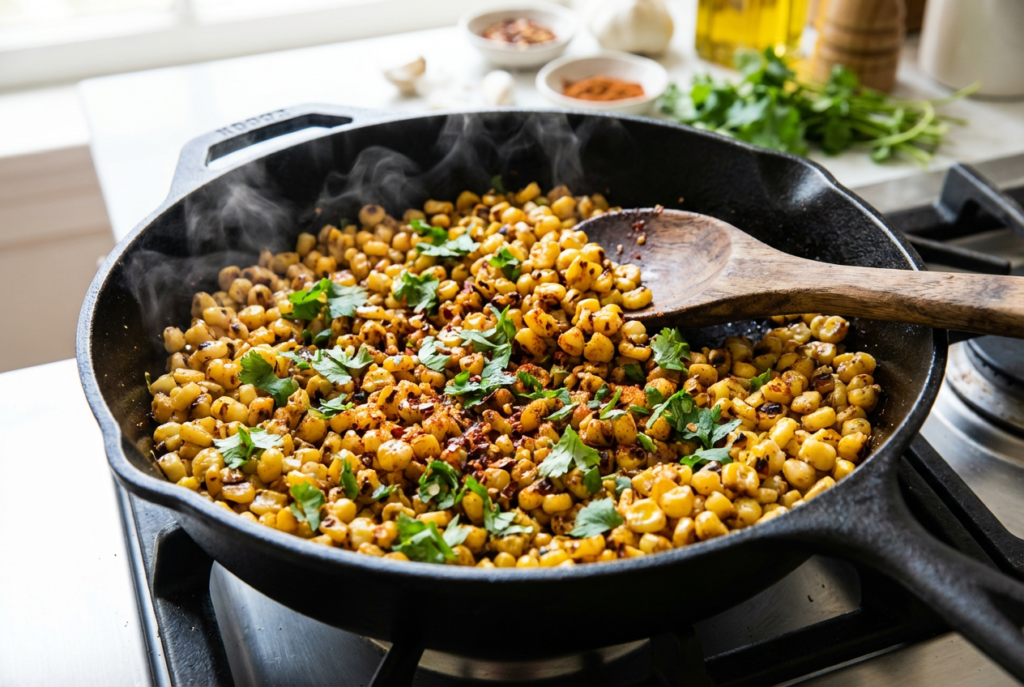
Ready in minutes: Southwestern sautéed hominy makes a fresh and smoky side dish.
Sometimes, speed is the priority. Many hominy recipes require long simmering, but this skillet version is ready in minutes. It strips away heavy sauces to highlight the corn’s natural, earthy profile.
Ingredients List
-
2 cans of hominy (golden or white), drained well.
-
2 tbsp olive oil or bacon fat.
-
1 tsp cumin.
-
1 tsp smoked paprika.
-
Juice of 1 lime.
-
Fresh cilantro, chopped.
Step-by-Step Instructions
-
Dry the Grain: Pat the drained hominy dry with a paper towel. Wet hominy won’t crisp; it steams.
-
The Sizzle: Heat the oil in a large skillet over medium-high heat. Add the hominy in a single layer.
-
Don’t Touch: Let it sit undisturbed for 2-3 minutes. You want it to blister and brown. If it pops, don’t panic—it’s singing.
-
Season: Toss in the cumin and paprika. Stir for another minute.
-
Finish: Remove from heat. Immediately squeeze fresh lime juice over the top and shower with cilantro. Serve instantly.
Buying and Storing: A Practical Guide
To master recipes using hominy, you need to know how to shop for it.
White vs. Yellow (Golden) Hominy
-
White Hominy: Has a milder, nuttier flavor. It is the standard for soups like Pozole.
-
Yellow Hominy: Slightly sweeter and earthier. It looks beautiful in salads or side dishes.
-
Purple Hominy: Rare, but found in specialty markets. It has a deep, rich corn flavor.
Storage Tips
-
Unopened Cans: Can last in your pantry for 3-5 years.
-
Leftovers: Once cooked, hominy dishes can be stored in an airtight container in the refrigerator for up to 5 days.
-
Freezing: Unlike potatoes, hominy freezes beautifully. Pozole, in particular, tastes even better after being frozen and reheated, as the flavors meld together.
(FAQ)
1. Is the contents of the can raw? No. Canned hominy is fully cooked. You could, theoretically, eat it cold with a spoon, though that would be a sad experience. It yearns to be heated, seasoned, and transformed. Dried hominy, however, demands respect—it must be soaked overnight and simmered for hours.
2. Are hominy recipes healthier than regular corn dishes? Generally, yes. The nixtamalization process unlocks niacin (Vitamin B3) and alters the protein structure, making it highly bioavailable for your body. It is a fiber powerhouse and naturally devoid of gluten, making it a smart choice for many diets.
3. What can I substitute if I can’t find it? If the shelf is bare, reach for chickpeas (garbanzo beans). They offer the closest approximation of that dense, nutty texture in soups. You could use sweet corn, but be warned: it lacks the chew, the heft, and the soul that makes hominy recipes unique.
Conclusion
Hominy is criminally underrated. It is a chameleon, capable of shifting from the star of a spicy stew to the backbone of a cheesy bake.
By embracing these hominy recipes, you are not just cooking; you are adding a budget-friendly, nutritious, and texturally complex tool to your arsenal.
Stop staring at the pantry. Grab the can. Open it. Whether you choose the slow simmer of Pozole or the quick sizzle of the skillet, you are in for a treat.