Introduction:Lazy Dinner
What actually makes a dinner lazy—and why is that not a bad thing at all? In a culture that often equates effort with virtue, “lazy” gets a bad reputation. But when it comes to dinner, lazy can be smart. A lazy dinner isn’t about giving up on real food; it’s about choosing meals that meet you where you are on a busy, low-energy night.
The goal is simple: food that’s satisfying without being demanding. Minimal prep. Minimal cleanup. A short cook time—or none at all. Ideally, dinner gets on the table without wrecking the kitchen or your evening.
This article breaks down what a lazy dinner actually means, what makes one good (not just easy), and the go-to templates that make low-effort dinners reliable. We’ll also cover basic food safety notes for lazy nights that rely on leftovers, so convenience doesn’t come at the cost of safety.
What Does “Lazy Dinner” Really Mean?
“Lazy dinner” isn’t a specific recipe—it’s a way of cooking. It’s a mindset that prioritizes efficiency, simplicity, and fewer decisions, especially on weeknights when energy is limited.
Common Definitions
Most lazy dinners share a few core traits:
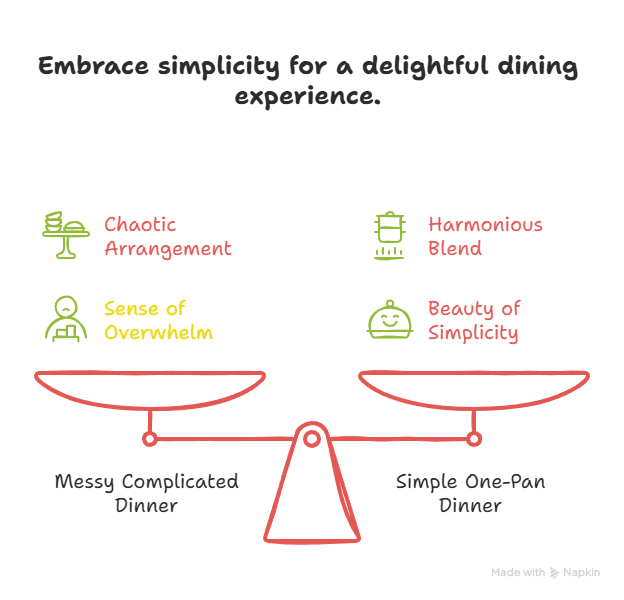
- Quick or hands-off cooking: Meals that come together in about 30 minutes or less, or cook themselves with minimal attention, like slow-cooker dinners.
- Low ingredient count: Fewer components to prep, track, and clean up after.
- Minimal cleanup: One pan, one pot, one skillet—or no cooking vessel at all.
Together, these elements reduce both the time spent cooking and the mental load that comes with it.
Lazy vs. Low-Quality
Lazy does not mean bland, unhealthy, or sad. It means using shortcuts intentionally—pre-cut vegetables, store-bought sauces, ready-made pasta, or simple seasoning—to get good food on the table faster.
A good lazy dinner is about smart assembly rather than complex technique. When the structure is simple and the flavors are well chosen, low effort can still deliver a meal that feels complete, comforting, and genuinely enjoyable.
What Makes a Good Lazy Dinner? (The Practical Checklist)
Not all easy dinners are created equal. A good lazy dinner isn’t just fast—it’s dependable, filling, and doesn’t leave you hungry an hour later. Think of it as a checklist you can mentally run through before committing.
First, it should be fast or hands-off. About 30 minutes or less is the sweet spot, or else the kind of meal that cooks itself while you do literally anything else. Slow cookers earn their keep here.
Second, it needs low cleanup. One sheet pan. One skillet. One pot. Fewer dishes mean the dinner actually feels finished when you’re done eating.
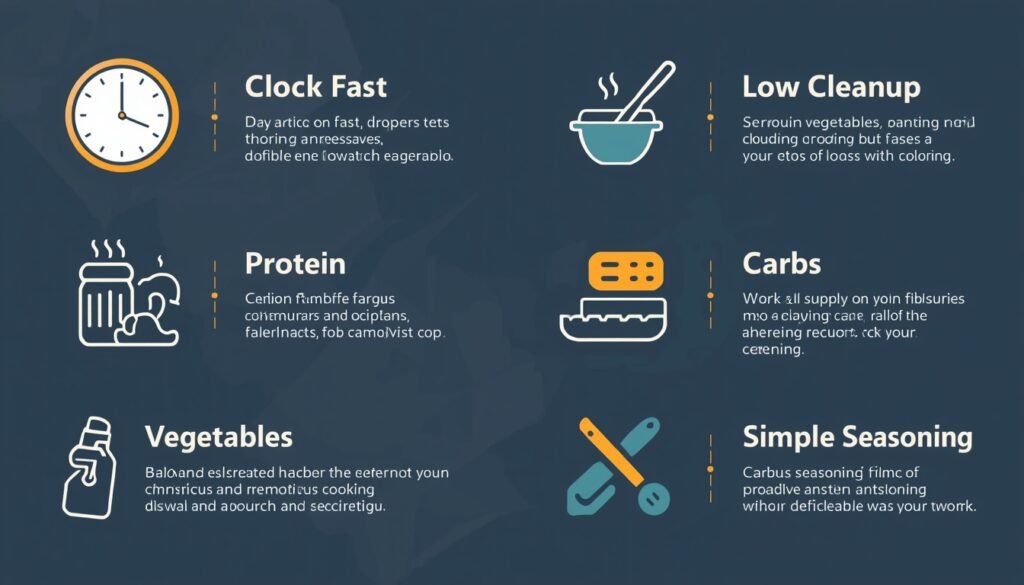
Third, there’s built-in balance. Even lazy dinners work best when they hit a simple formula:
- Protein for staying power
- Produce for freshness and contrast
- A filling carb to make it feel like a real meal
Finally, the seasoning stays simple. Salt, fat, acid, heat. A good sauce. A spice blend you trust. No complicated techniques, no delicate timing—just flavors that do the heavy lifting for you.
Lazy Dinner Templates That Actually Work
Rather than memorizing recipes, lazy dinners shine when you rely on repeatable frameworks. These templates are flexible, forgiving, and designed to work even on low-energy nights.
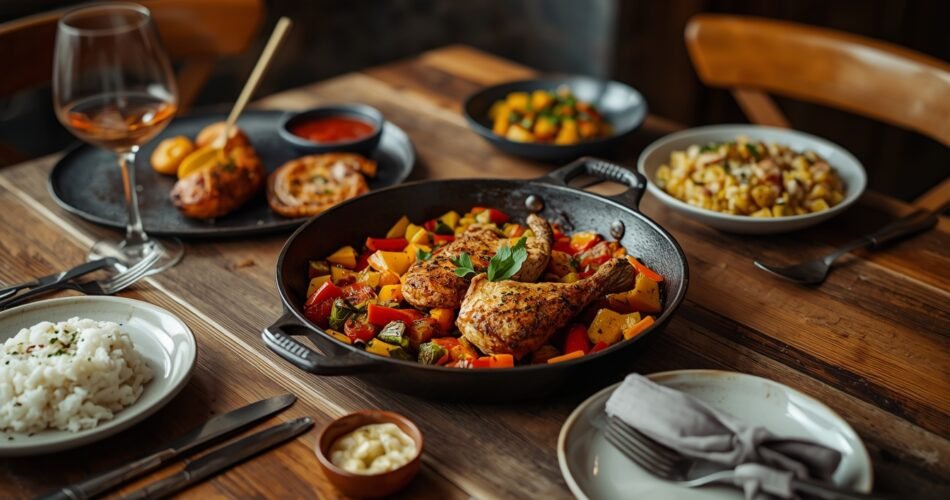
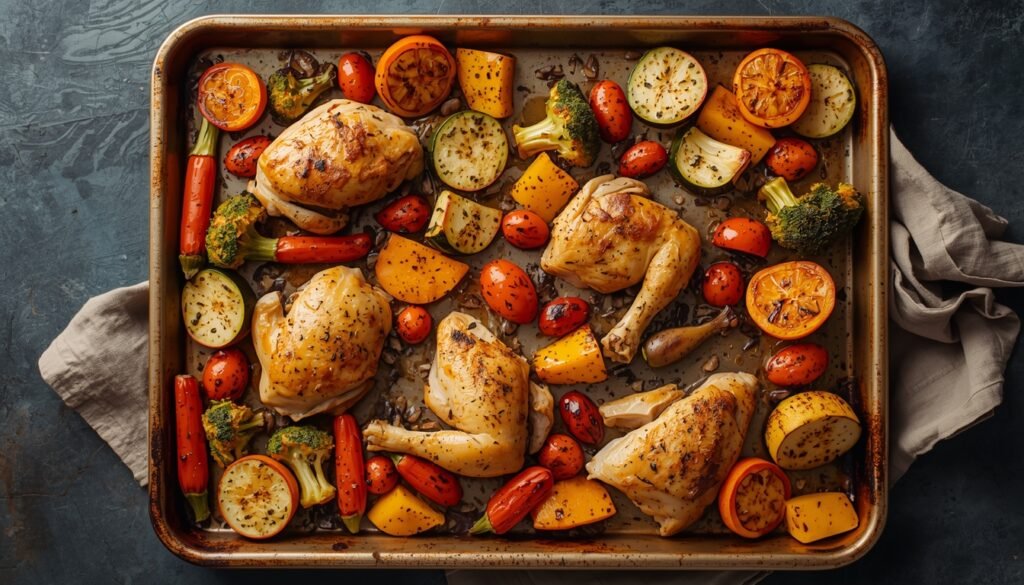
Sheet-Pan Dinner (Protein + Veg)
This is lazy dinner royalty. Everything goes on one pan, into one oven, and comes out ready to eat.
You roast the protein and vegetables together, letting heat do the work. Timing stays weeknight-friendly, cleanup stays minimal, and the result feels intentional rather than improvised.
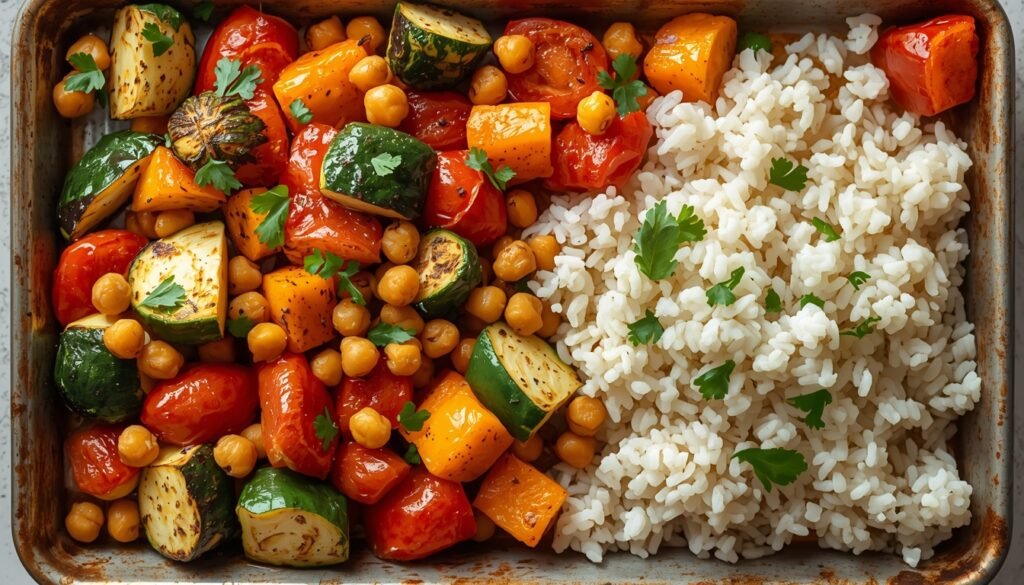
Plant-Based “Roast Everything” Tray
A variation on the sheet-pan idea, built around vegetables and chickpeas.
Everything roasts together on one tray, developing flavor without extra effort. Serve it with rice, quinoa, or another simple grain and dinner is done—no separate pans required.
15-Minute Skillet or “One-Bowl” Meals
These are fast, stovetop dinners that come together in a single pan.
The usual formula is ground protein plus bagged or pre-cut vegetables, finished with a bold, sauce-forward seasoning. They cook quickly, require almost no prep, and eat like comfort food without much thinking involved.
Store-Bought Upgrade Dinners
Lazy doesn’t mean starting from scratch. It means knowing when to let the store do some of the work.
Prepared components—like fresh ravioli—become dinner with just a few simple additions. A quick sauce, a finishing fat, or a sprinkle of cheese turns something basic into something that feels cooked, not assembled.
Hands-Off Slow Cooker Dinners
This is lazy cooking stretched across the day.
You do minimal prep in the morning, add everything to the slow cooker, and walk away. By dinnertime, the work is done, the kitchen stays calm, and active cooking time is almost nonexistent.
No-Cook Lazy Dinners
For nights when turning on the stove feels like too much.
No-cook dinners rely on assembly rather than heat. Think chilled, composed plates or simple combinations that come together straight from the fridge. Zero cooking, zero heat, zero extra effort.
Why Lazy Dinners Are So Popular
Lazy dinners fit the way people actually live. They slide easily into busy schedules, reduce decision fatigue after long days, and keep cleanup from becoming another chore.
Most importantly, they still deliver comfort and satisfaction. When effort is low but the payoff is high, lazy dinners stop feeling like a compromise and start feeling like a smart habit.
Lazy Dinner Safety: What to Know About Leftovers
Lazy nights often mean leftovers—and a little food safety knowledge goes a long way.
How Long Leftovers Are Safe
Most leftovers are safest when eaten within three to four days if stored properly in the refrigerator. Beyond that window, the risk of foodborne illness increases.
Temperature & Storage Rules
Perishable food shouldn’t sit out for more than two hours at room temperature—or one hour if it’s especially hot. Keep food out of the temperature “danger zone” where bacteria multiply quickly.
Getting leftovers into the fridge promptly is one of the easiest ways to keep lazy dinners safe.
Reheating Best Practices
When reheating leftovers, aim for an internal temperature of 165°F. Slow cookers aren’t ideal for reheating because they warm food too gradually, which can allow bacteria to grow before the food gets hot enough.
Final Takeaway: So, What Is a Good Lazy Dinner?
A good lazy dinner is low effort, low cleanup, and high satisfaction. It’s not about cutting corners—it’s about choosing efficiency on purpose.
Lazy dinners are a strategy, not a shortcut. When you rely on simple templates instead of rigid recipes, dinner becomes easier to repeat, easier to enjoy, and easier to fit into real life.
Optional Closing Note / Next Step
Lazy dinners can be customized to almost any lifestyle—students, families, fitness-focused eaters, or anyone cooking on a budget.
Once you understand the templates, you can adapt them to your own needs and preferences. The less energy dinner demands, the more likely it is to happen—and that’s what makes a lazy dinner a good one.
(FAQ)
Q1: What defines a “lazy dinner”?
A1: A lazy dinner is a meal that is quick, low-effort, and requires minimal cleanup. Typically, it involves one-pan or one-pot cooking, few ingredients, and hands-off preparation while still being satisfying and balanced.
Q2: Can lazy dinners be healthy and balanced?
A2: Absolutely! Good lazy dinners include a combination of protein, vegetables, and a filling carbohydrate. Using simple seasoning and smart shortcuts allows for nutritious and flavorful meals without complicated techniques.
Q3: What are some easy templates for lazy dinners?
A3: Popular lazy dinner templates include sheet-pan dinners, plant-based roast trays, 15-minute skillet “one-bowl” meals, store-bought ingredient upgrades, hands-off slow cooker recipes, and no-cook assembled meals. These frameworks save time while delivering satisfying results.
Q4: How can I safely store and reheat leftovers from lazy dinners?
A4: Refrigerate perishable leftovers within two hours (or one hour in hot weather) and consume within 3–4 days. Reheat leftovers to an internal temperature of 165°F (74°C). Avoid reheating slow cooker meals directly in the slow cooker, as it heats food too slowly for safety.
Q5: Why are lazy dinners becoming increasingly popular?
A5: Lazy dinners fit modern busy lifestyles by reducing decision fatigue, minimizing cleanup, and still providing comfort and satisfaction. They allow home cooks to enjoy nutritious, tasty meals without spending excessive time in the kitchen.